
Food, culture and etiquette in Kuwait: machboos, seafood, coffee and dates, diwaniyas, mosques and the 1990 invasion
Kuwait is the least touristy of the Gulf's cities, and that's its charm: people are curious about visitors, the old market is for locals, and evenings are spent talking over coffee. This page is for people who are in Kuwait for work or family. For anyone else, see first Is it safe to visit Kuwait now?
What to eat
- Machboos: the national dish, spiced rice with lamb, chicken or fish and dried lime, with daqoos, a tomato and garlic sauce. Order one between two.
- Zubaidi (silver pomfret), the favourite fish, grilled or with rice, and murabyan, rice with shrimps, in season.
- Mutabbaq samak: fish on rice with fried onions. Harees and jareesh: wheat cooked slowly with meat. Tashreeb: bread soaked in stew.
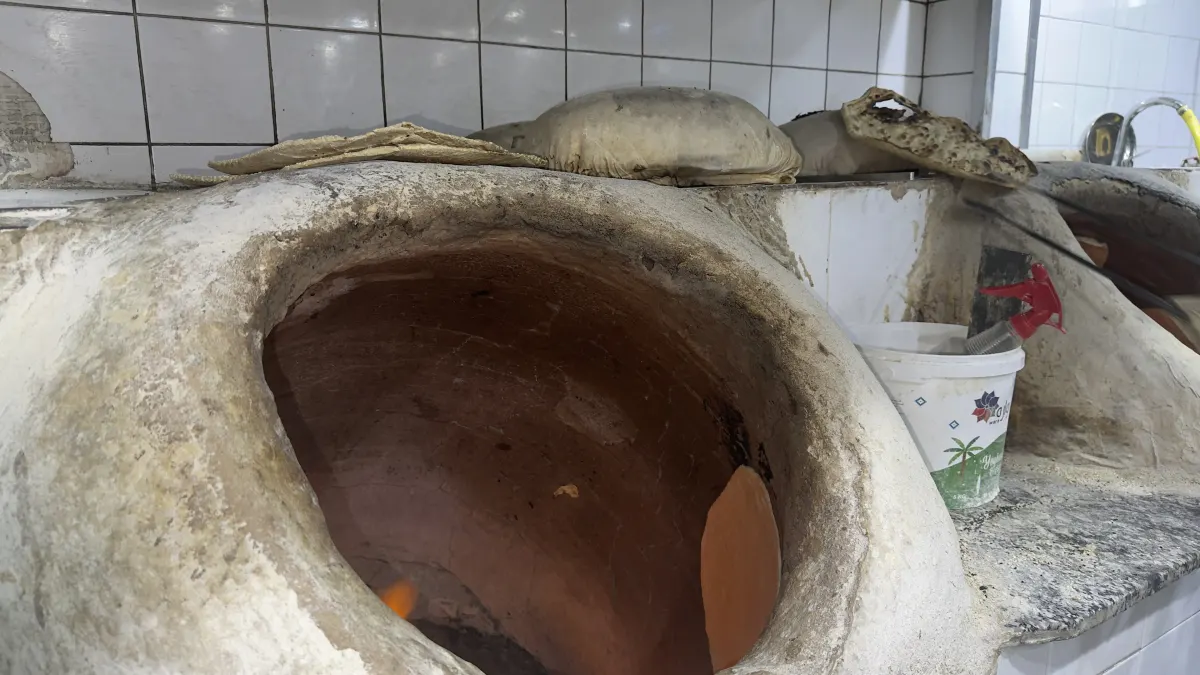
- Breakfast: eggs with tomato, beans, cheese, and flat bread straight from a clay oven with sesame. Balaleet is sweet noodles with saffron under an omelette.
- Sweets: gers ogaily (a saffron and cardamom cake), luqaimat (fried dough balls in syrup), rahash (sesame) and dates.
- Persian, Iraqi, Indian, Lebanese and Egyptian food is everywhere and good value. Kuwait loves new cafés and burger places too.
- There's no pork and no alcohol. Drink mint lemonade, tea with saffron, karak (milky spiced tea) or laban.
Where to eat
- The simple places with outside tables in Souq Al-Mubarakiya are the best introduction: kebabs, grilled fish, pickles, bread and tea.
- Cooperative supermarkets in every district are good for picnics.
- Vegetarians do best in Indian and Lebanese restaurants.
Coffee and the diwaniya
- The diwaniya is a room in a house where men meet in the evening to talk, play cards, do business and discuss politics. It's on UNESCO's list of living heritage. Being invited is an honour: go, and stay an hour or so.
- Shake hands with everyone in the room, starting from the right, and sit where you're shown. It's mostly a men's custom. Women have their own gatherings, and a foreign woman may be invited to either: ask.
- Coffee is light, bitter and full of cardamom, poured into tiny cups. Take it with your right hand, accept at least one, and shake the cup from side to side when you've had enough. Dates come with it.
- Bring sweets or chocolates when invited to a home. Take off your shoes if others do. Eat with your right hand, and expect to be given more.
Greetings and manners
- As-salamu alaykum; the answer is wa alaykum as-salam. Shukran is thank you. Inshallah can mean yes, perhaps or no.
- Don't offer your hand to someone of the opposite sex: wait, or put your hand on your heart.
- Ask about health and family in general, but not about a man's wife or daughters.
- Don't show the soles of your feet or beckon with one finger.
- Cover shoulders and knees. See Kuwait's laws for dress and couples.
Mosques
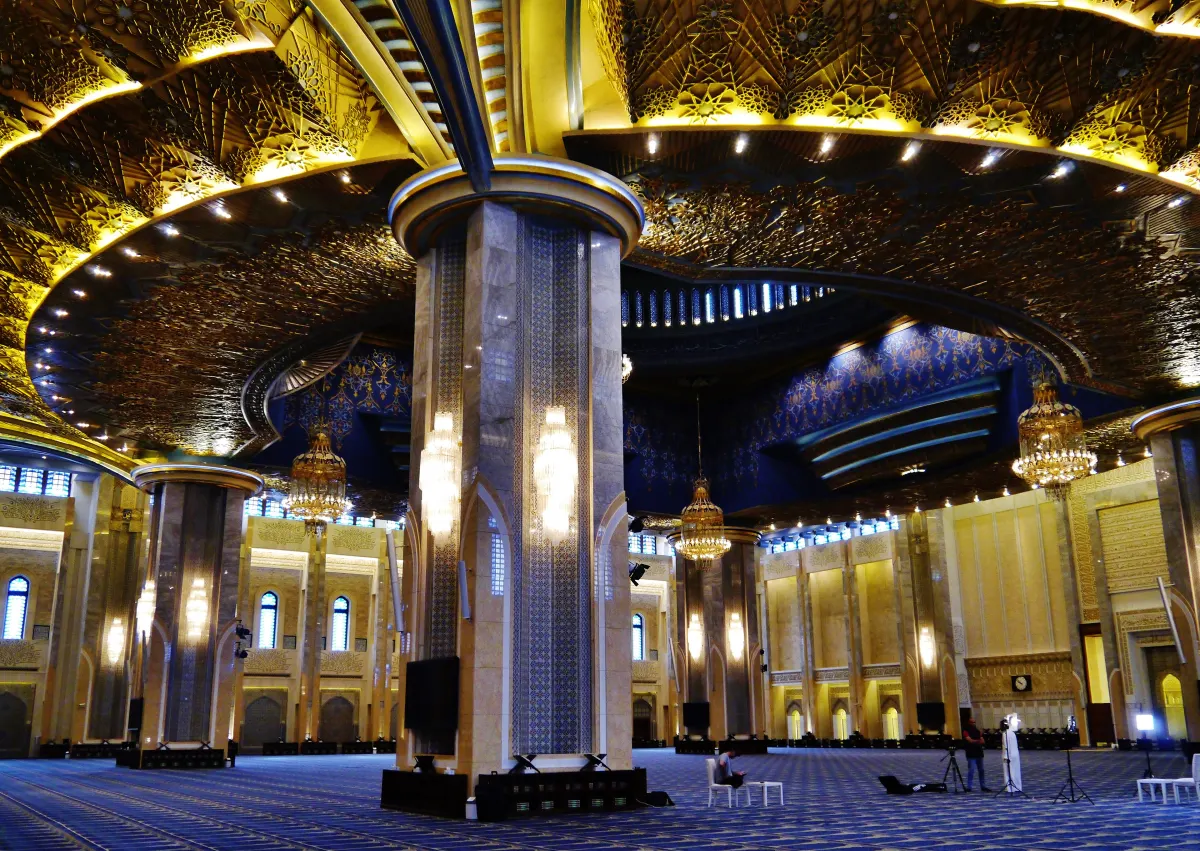
- The Grand Mosque has free guided visits for everyone outside prayer times, and lends robes. Ring before you go: we couldn't confirm this autumn's times.
- Take off your shoes, cover arms and legs, and women their hair. Don't walk in front of people praying.
Museums and sights
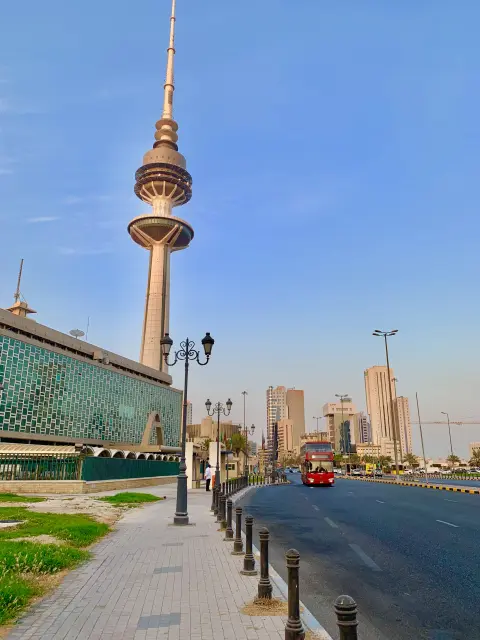
- The Tareq Rajab Museum is a wonderful private collection of Islamic art in the suburb of Jabriya. Kuwait Towers are the symbol of the country.
- Opening times have changed often since the attacks, so check on the day. Seafront sights are open to the sky: know where you'd shelter.
The invasion
Iraq occupied Kuwait from 2 August 1990 to 26 February 1991. Almost every family lost something, some people are still missing, and the attacks of 2026 have brought it all back. Listen if people want to talk, and don't debate it.
Holidays and Ramadan
- National Day (25 February) and Liberation Day (26 February) are usually celebrated with flags, water fights and traffic jams. In 2027 they fall in Ramadan.
- Ramadan, about 8 February to 9 March 2027: no eating, drinking or smoking in public by day, by law. Evenings are lively, and an invitation to iftar, the meal at sunset, is a treat. In the middle comes Gergean, when families give out nuts and sweets.
- Eid al-Fitr is around 10 March 2027, and Eid al-Adha in mid-May.
Leave these alone
- The Emir and the ruling family, religion, Sunni and Shia, the suspended parliament, people who have lost their citizenship, Iran and Israel. They're not only touchy: talking about them can be a crime.
- Be kind to drivers, cleaners and waiters. Two thirds of the people in Kuwait are foreigners, and many have hard lives.



Comments
No comments yet.