
Kuwait's laws that visitors trip over: alcohol, drugs, photos, posts, insults, dress, relationships and Ramadan
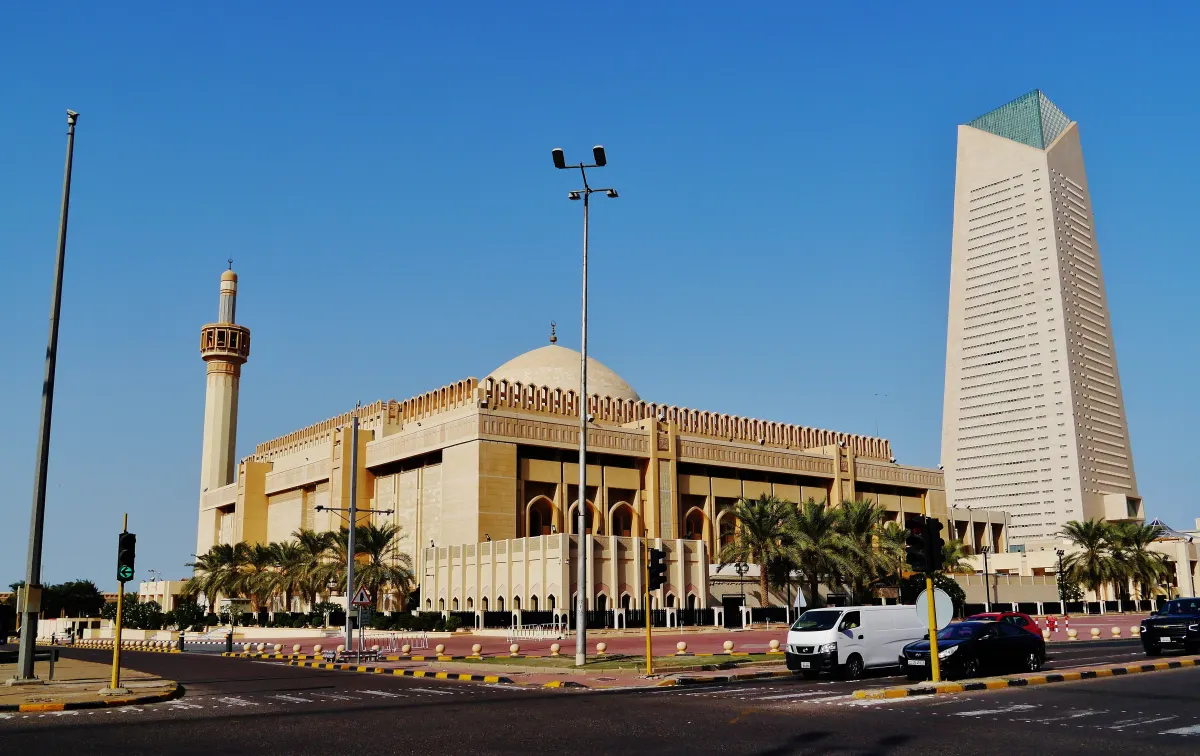
Kuwaitis are relaxed, well travelled and fond of a joke, and most visitors have no trouble. But this is a country with no legal alcohol at all, and since the war began the government has arrested and tried many people over what they filmed, posted or shared.
Alcohol
- Buying, selling, carrying, making and drinking it are all illegal, also in hotels. Being drunk in public is too. Expect a fine, prison or deportation.
- Illegal alcohol can contain methanol, which blinds and kills. The UK government warns about it specifically. Refuse it, wherever it's offered.
- Don't arrive drunk from your flight.
Drugs
- Even a trace can mean five to ten years in prison, and suspects usually wait there for months. Smuggling and dealing can bring the death penalty, which is carried out.
- Clothes, jewellery or stickers showing cannabis leaves and the like are an offence under the law of December 2025.
- Prescription medicines count. See Arriving in Kuwait.
Photos and filming
- Never photograph government buildings, the military, the police, oil sites, ports, power plants, borders or embassies.
- Never film missiles, drones, interceptions, smoke, damage or debris, or the security forces at work. In March and April 2026 people were arrested for that alone.
- Don't photograph people without asking, above all women and families. It's illegal to record someone without their consent.
- Flying a drone is a crime without a permit.
What you say and post
- Criticising or joking about the Emir, the ruling family, Islam or the authorities is a crime, also online, and also in a post you only liked or shared.
- The war: a law of March 2026 punishes "false rumours" about the military with up to 10 years in prison. Amnesty International reported more than 200 people tried by May, 25 of whom got prison terms of three to ten years, for things such as sympathising with Iran or "false news". A journalist with American and Kuwaiti nationality was held for 52 days for sharing pictures that news organisations had already published.
- So post nothing about the war, forward nothing, and look through your phone before you arrive.
- Swearing and rude gestures, also at another driver or in a message, can lead to arrest and deportation.
- Trying to convert people is illegal, and so is taking part in a demonstration as a foreigner.
Dress and behaviour
- There's no dress law for foreign women and no need to cover your hair, except in a mosque. But cover shoulders and knees, men too, and avoid tight or see-through clothes. Swimwear is for private or hotel beaches.
- Cover tattoos that could offend, above all anything religious or in Arabic.
- No kissing or hugging in public between men and women.
Couples and sex
- Unmarried couples can't legally share a hotel room or a home, and sex outside marriage is a crime. Hotels may ask for a marriage certificate, so carry a copy, or book two rooms.
- Same-sex relations are illegal, with up to seven years in prison, and deportation. The law against "imitating the opposite sex" was struck down in 2022, but trans people have still been arrested. Canada reports abuse, also by the police. Don't use dating apps.
- Reporting a sexual assault can put you at risk yourself: talk to your embassy first.
Ramadan
In 2027 it's expected from about 8 February to 9 March. Eating, drinking and smoking in public by day is against the law for everyone, including in your car. Most restaurants outside hotels close until sunset, and offices work short hours. Dress more carefully, and no music in public.
Smoking and vaping
Smoking is banned in enclosed public places. From 1 January 2027 new rules treat vapes and heated tobacco the same way and ban sales to people under 21. Reports on the rules for bringing vapes in differ, so ask the embassy, or leave yours at home.
Identity, debts and driving
- Always carry your passport. There are many checks.
- A bounced cheque or an unpaid bill is a criminal matter, and can stop you leaving.
- Driving with any alcohol in your blood, or speeding, can mean jail: see Getting around Kuwait.
If you're arrested
Stay polite, ask for an interpreter and for your embassy, and don't sign what you can't read. Kuwait often doesn't tell embassies, so ask a friend or relative to call them. Witnesses can be held too, sometimes for a long time without a lawyer, says Canada.


Comments
No comments yet.