
Getting around Kuwait: taxis and ride apps, buses, driving, accidents, the causeway and the borders
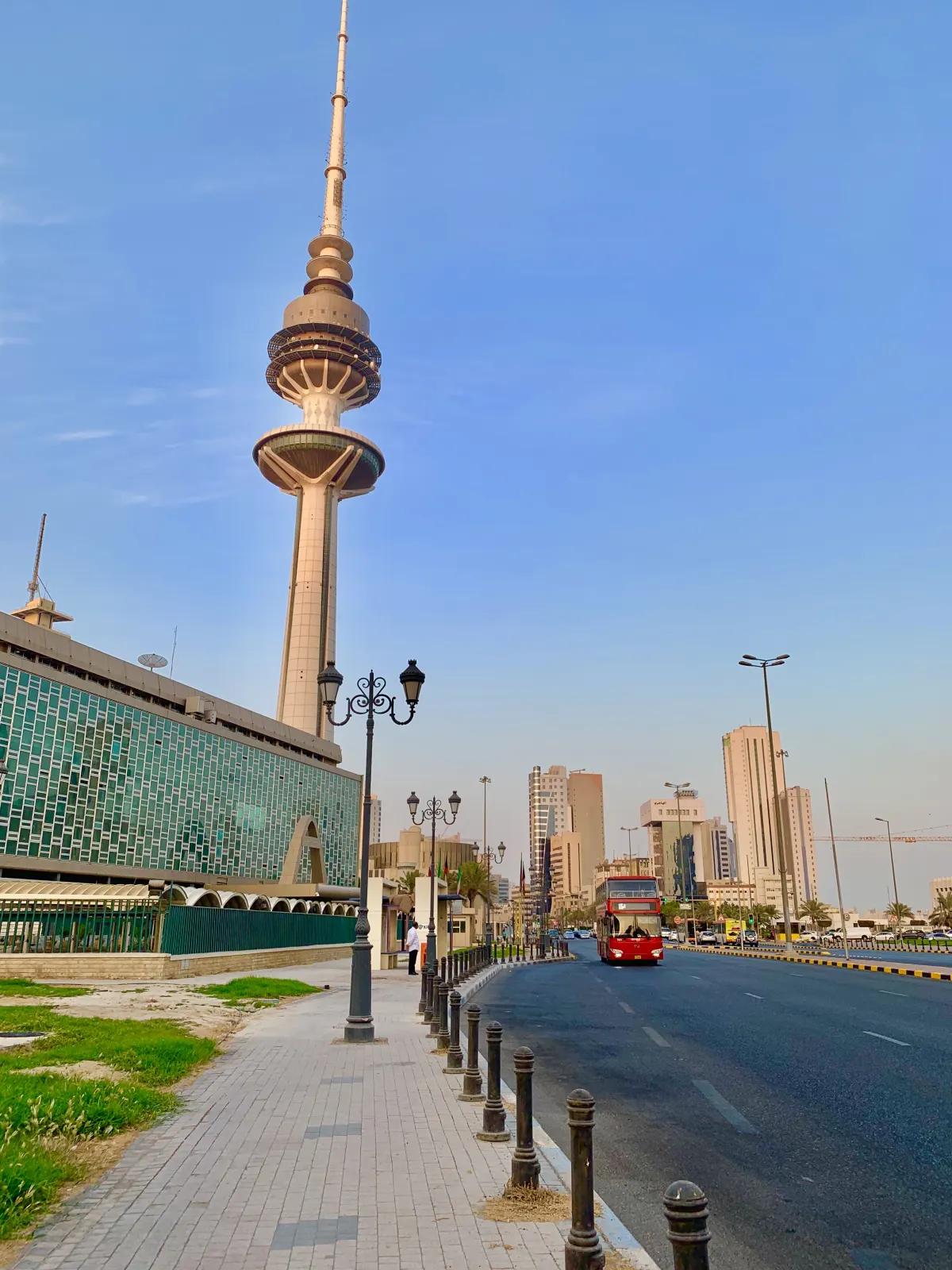
Kuwait is built for cars: wide motorways, huge junctions, few pavements and no trains. Visitors mostly use ride apps and taxis. Driving is easy to learn and dangerous to do, and the fines are now some of the highest in the region. Check the security advice before any longer trip.
Ride apps and taxis
- Careem and local taxi apps are the simplest way around: the price is fixed, there's no bargaining and you have a record of the trip. Which apps work changes, so install two.
- Street taxis often don't use a meter. Agree the fare first and have small notes. Canada says real and fake taxis can be hard to tell apart, so prefer an app, your hotel's taxi or the airport's.
- Women on their own should sit in the back and avoid hailing taxis at night.
- Don't share with strangers.
Buses
- KPTC, CityBus and Mowasalat run buses across the city, used mostly by migrant workers. A ride costs about 250 to 350 fils, in cash to the driver.
- They're air-conditioned but slow, often late, and few run at night. Use one for a short, clear route, not to catch a plane.
On foot
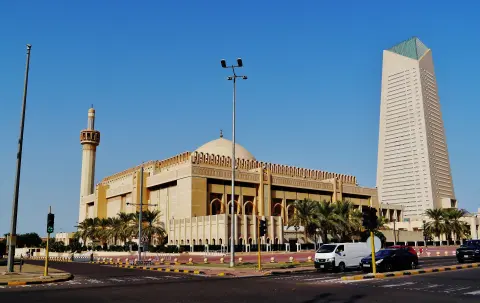
The centre around Souq Al-Mubarakiya and the Grand Mosque, and the seafront path towards Kuwait Towers, are good for walking from November to March. Elsewhere, cross big roads only at footbridges or lights: drivers often don't stop at crossings.
Driving
- They drive on the right. Hire cars need no special permit in the city, but check whether yours may leave Kuwait.
- Licence: the UK says a British photocard licence is enough on a visit visa. Germany and Canada say you must have an International Driving Permit as well. Take one, whatever your nationality, and ask the hire company.
- Expect speeding, tailgating, sudden lane changes, overtaking on the hard shoulder, phones in hand and cars without lights. Don't react to anyone: road rage is common.
- Fines since April 2025 (Decree-Law 5 of 2025), as reported by the Kuwait Times: 75 dinars for using a phone, 30 for no seat belt, 70 to 150 for speeding, 150 for a red light or reckless driving, and 50 for a child under 10 in the front or without a child seat. The worst offences can also mean jail.
- Driving under the influence means 1,000 to 5,000 dinars and one to five years in prison. Cameras are everywhere, and police can arrest you on the spot.
- Pay fines before you leave the country, or you may be stopped at the airport.
After an accident
- Call 112.
- Someone hurt, or a car that won't move: stay, and don't move anything until the police come.
- Only small damage: the UK and Canada say to take pictures and number plates, then move the cars off the road, as you can be fined for blocking traffic. (Germany says to leave them, as moving can look like admitting blame.) Do what the police tell you on the phone.
- If someone is badly hurt or killed, drivers can be held and kept from leaving until the case is over.
Outside the city
- The Sheikh Jaber Al-Ahmad Al-Sabah Causeway, one of the longest sea bridges in the world, crosses the bay towards Subiya. New Zealand names it as a possible target, and there's little to see at the other end.
- Don't drive off-road. Mines and unexploded bombs remain in the desert and on some beaches.
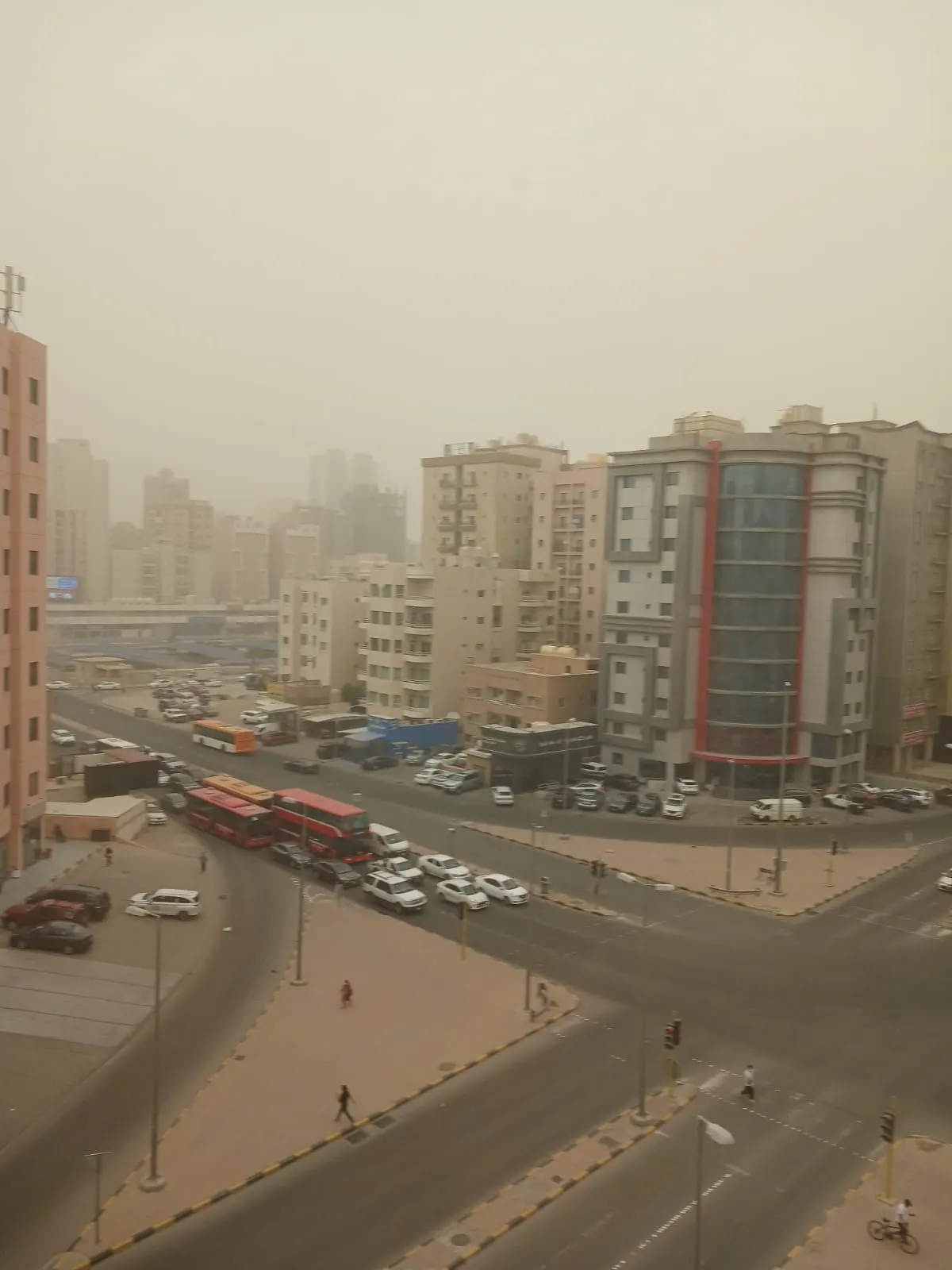
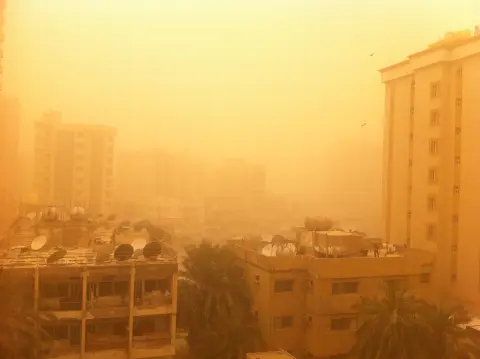
- Dust storms and fog can cut visibility to nothing. Slow down, leave the road where it's safe, and stop with your lights off and your foot off the brake, so that nobody follows you.
- Heavy winter rain floods underpasses within minutes. Don't drive into water.
Boats
Keep to short trips near the shore with a known operator and life jackets, if at all. The northern Gulf between Kuwait, Iraq and Iran is disputed and patrolled, and boats have been stopped and people arrested. Bubiyan and Warbah islands are off limits.
Borders
- Saudi Arabia (Nuwaiseeb and Salmi): open in November 2026, but several governments say not to go there. It's easy to miss a border post in the dark: make sure you get your exit stamp.
- Iraq (Abdali): don't. See Is it safe to visit Kuwait now?

Comments
No comments yet.