
Arriving in Tajikistan: visa-free stays, the e-visa, registration, the GBAO permit and land borders
Tajikistan has become one of the easier countries in Central Asia to enter. Many nationalities can stay 30 days without a visa, and most others can apply for an e-visa. The British are the big exception: they still need a visa. Two other rules catch people out: registration if you stay longer than 10 working days without an e-visa, and the GBAO permit for the Pamirs.
Who can visit without a visa
The Consular Department of the Tajik foreign ministry keeps the official list at consular.tj. At the time of writing:
- Up to 30 days: citizens of the EU countries (including Ireland), Switzerland, Norway, Iceland, the United States, Canada, Australia, New Zealand, Japan, South Korea, Singapore, Malaysia, Thailand, Indonesia, the Philippines, the United Arab Emirates, Saudi Arabia, Brazil, Mexico, Uzbekistan, Iran and others.
- Longer or open-ended stays: citizens of several former Soviet countries, such as Russia, Kazakhstan, Kyrgyzstan, Belarus and Georgia. Registration rules still apply.
- Up to 14 days, only if you're over 55: citizens of China, Vietnam, Albania, Morocco, Algeria, Tunisia and a few others.
- Visa needed: citizens of the United Kingdom, India, Israel, South Africa, Turkey (since 2024), China if under 55, and any country not on the list.
The visa-free stay can't be extended. If you want more than 30 days, get an e-visa before you travel.
The e-visa
- Apply only at the official site, evisa.tj. Copycat sites charge several times the price.
- The official fee is US$30 for one entry or US$50 for several, plus US$20 if you tick the box for the GBAO permit.
- The Consular Department says it's valid for 90 days, with a stay of up to 60 days, and can't be extended. The UK government says 60 days from approval, so go by the dates printed on yours.
- Files must be JPEGs of 1 MB or less. Nothing is processed until you've paid. Apply at least two to three weeks ahead.
- Print it, and keep it with your passport. E-visa holders don't have to register.
- Visas on arrival are issued only at Dushanbe airport, and the UK government says they must be approved beforehand. They aren't issued at land borders, so don't count on one.
Your passport
It should be valid for at least six months after you arrive, with two blank pages. The law says to carry it: see Safety.
Registration
- If you came without an e-visa and stay longer than 10 working days, you must register within those 10 working days. If you leave before then, you needn't. The UK, Canadian and New Zealand governments just say "10 days", so do it early.
- Registration is at the migration office, still known as OVIR; in Dushanbe it's at 5 Mirzo Tursunzoda Street. The UK government says hotels can no longer do it for you, and that you must register again at a new address.
- Keep the paper until you leave. People without it have been fined, delayed and even detained at Dushanbe airport.
- In October 2026 the lower house of parliament passed a bill to make it 15 working days. Until you see that it's in force, use 10.
- If a trip of two to four weeks would mean spending a morning at OVIR, an e-visa may be worth its price even if you could enter without one.
Don't overstay, even by a day: you'd have to pay a fee (from US$50) and get an exit visa from the Consular Department before you could leave, and airports don't issue them.
The GBAO permit
Every foreigner needs a permit for Gorno-Badakhshan (GBAO), which covers the Pamir Highway from near Qalai Khumb to the Kyrgyz border, Khorog, Murghab and the Wakhan. Read the travel warnings first: see The Pamirs and permits. You don't need it for Dushanbe, the Fann Mountains, Panjakent or Khujand.
A separate permit is needed within 20 km of the Afghan border in the Khatlon region, including Panj.
Customs
- You can bring in up to US$10,000 without declaring it, and take out up to US$3,000. If you bring more than US$3,000, declare it on arrival and keep the form.
- Leave your drone at home: you need permission from the security committee, and people without it have had drones seized or been detained.
- Carry medicines in their packaging with the prescription: see Health.
Land borders
Crossings can close without notice, and some are only for citizens of the two countries. Check just before you travel. At the time of writing:
- Uzbekistan is the easy one. Jartepa–Sarazm links Samarkand and Panjakent; Oybek–Fotehobod (Buston) links Tashkent and Khujand; Sariosiyo–Bratstvo is near Tursunzoda, west of Dushanbe; and Andarkhon–Patar links Kokand and Konibodom. They're reported to be open day and night.
- Kyrgyzstan: after years of conflict, a border treaty was signed in March 2025. Foreigners can cross at Kyzyl-Art on the Pamir Highway (about 4,280 m, with a GBAO permit and your own transport on each side), and at Guliston–Kyzyl-Bel, between Isfara and Batken, which reopened in 2025. Karamyk is for Tajik and Kyrgyz citizens only. The UK government warns of mines and unexploded weapons along this border.
- China: the Kulma pass, east of Murghab, is open on weekdays, with prearranged transport and a GBAO permit.
- Afghanistan: don't. Governments advise against all travel there, and Canada and Australia against travelling to the Tajik side of the border too. The Canadian government describes the border as closed since 2021, while guides say Panji Poyon takes foreigners.
Coming from Samarkand or Tashkent? See arriving in Uzbekistan for getting back in.
Arriving by air
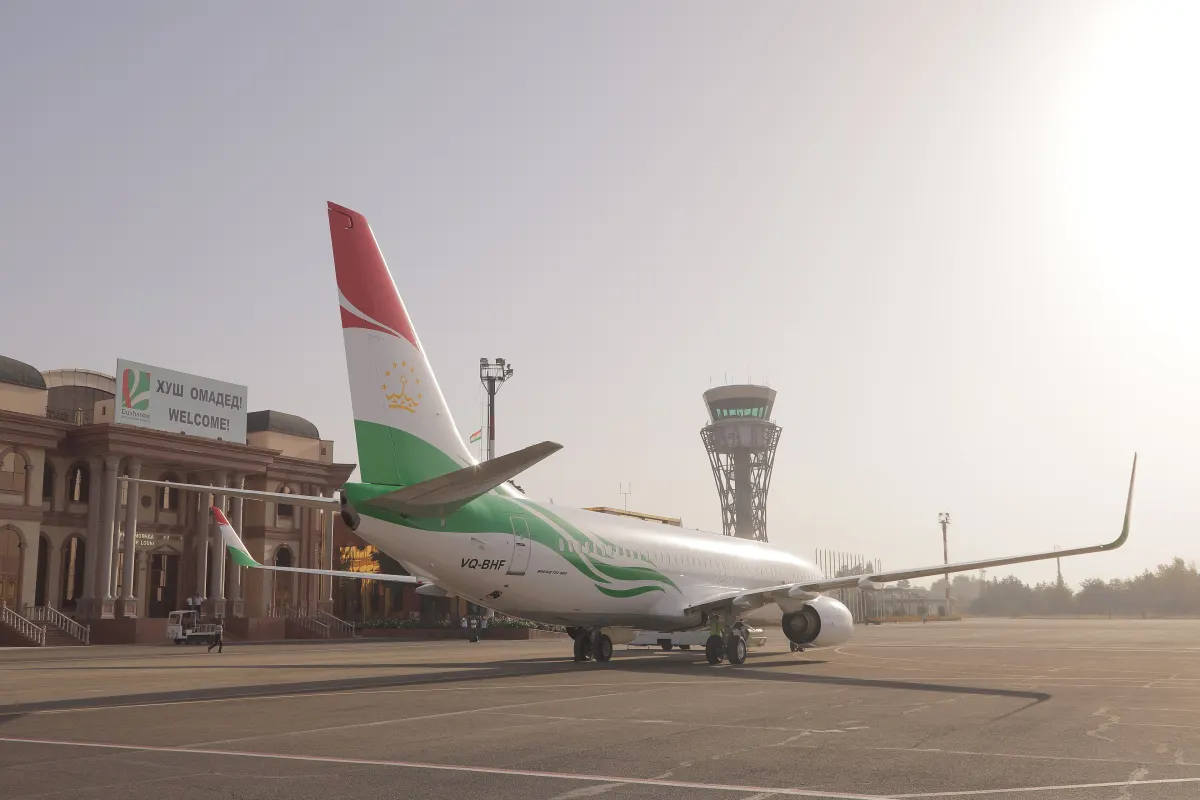
- Dushanbe is the main airport, about 5 km from the centre. Khujand also has a few international flights; its airport is about 15 km out, in Buston.
- The UK government reports officials at Dushanbe airport asking for payments for supposed problems with papers. Have your passport, visa and registration in order, stay polite, and ask for the consular office.
- Agree a taxi fare before you get in, or ask your hotel to collect you.
- Tajikistan is on UTC+5, the same as Uzbekistan and one hour behind Kyrgyzstan.
Next: Getting around Tajikistan, Money and Phones and apps.
Comments
No comments yet.