
Culture and etiquette in Tajikistan: hospitality, dress, mosques, holidays, languages and the law
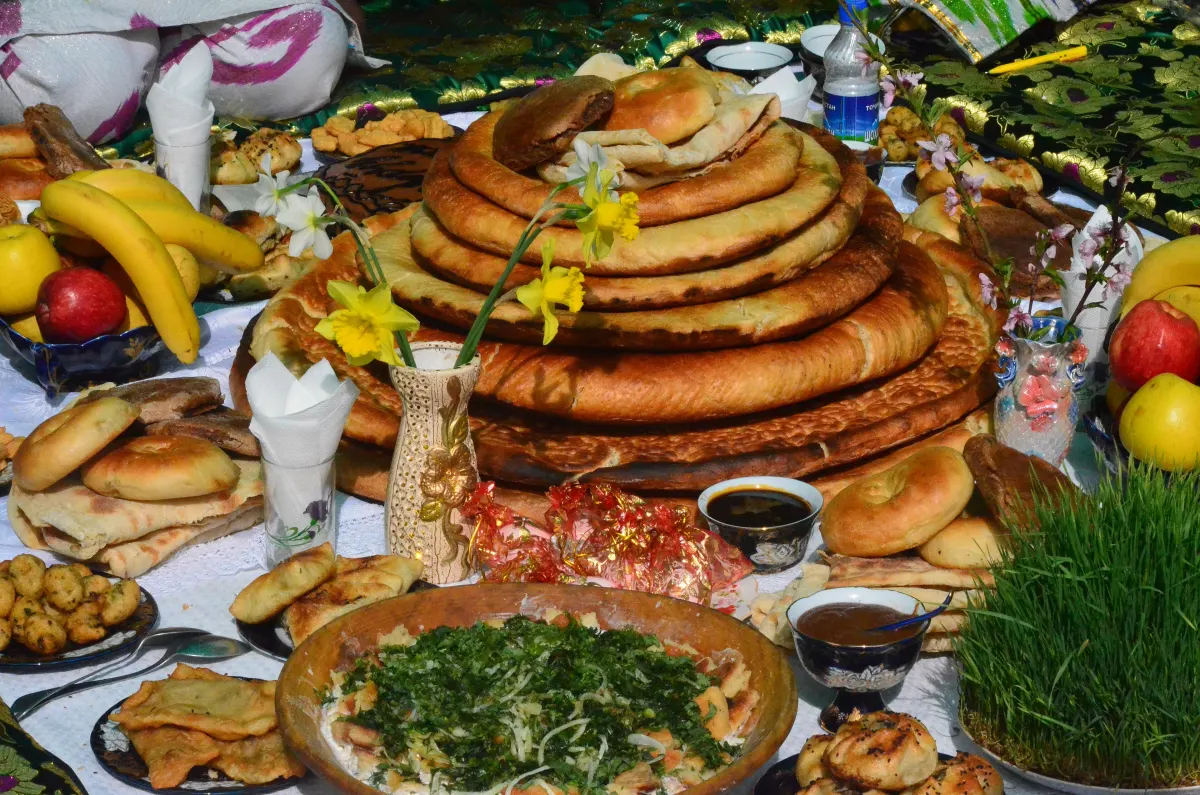
Tajiks speak a form of Persian, and share its poetry and its manners: guests are treated with great warmth, and you'll be asked in for tea again and again. Most people are Sunni Muslims; many people in the Pamirs are Ismaili. The state is strictly secular, and controls religion and speech tightly.
Greetings
- Say salom or assalomu alaykum, with your right hand on your heart. Men shake hands with men. Wait for a woman to offer her hand.
- Greet everyone in the room, the oldest first.
- Expect questions about your family, job and age. They're friendly.
Being a guest
- Take your shoes off at the door.
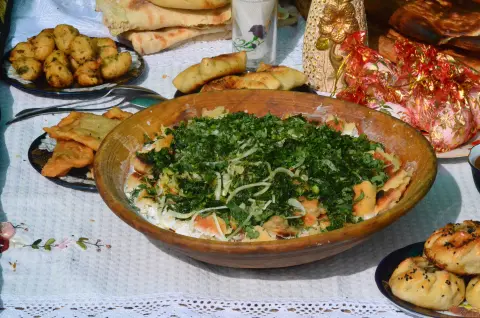
- The place furthest from the door is for the honoured guest. Sit where you're shown, cross-legged or with your legs to the side, and don't point your feet at people or step over the cloth laid out for the food.
- Accept at least tea and a piece of bread, and treat bread with respect.
- Invitations are often politeness: refuse once or twice, and accept if they insist. Bring fruit, sweets or something from home.
- After a meal, people may hold up their hands and draw them down over the face to give thanks. Join in, or sit quietly.
- A Pamiri house is full of meaning: five pillars, and a skylight of four squares, one inside the other. Ask your host to explain it.
What to wear
- Dress modestly, especially outside Dushanbe: long trousers or a skirt and covered shoulders for everyone. Shorts are fine for trekking, but not in villages.
- Many women wear bright patterned dresses with trousers (kurta and ezor) and a scarf tied behind the head.
- A law of 2024 bans clothing "alien to national culture", which in practice has been used against the hijab and abaya, and men have been stopped for long beards. Reports are about local people rather than tourists, but Muslim visitors should ask their government or embassy before they go.
Mosques and shrines
- Cover your arms and legs, take off your shoes, and women should cover their hair. Women aren't let into some mosques, so ask first, and don't come at prayer times.
- Preaching, handing out religious material or taking part in unregistered religious meetings is illegal.
Holidays
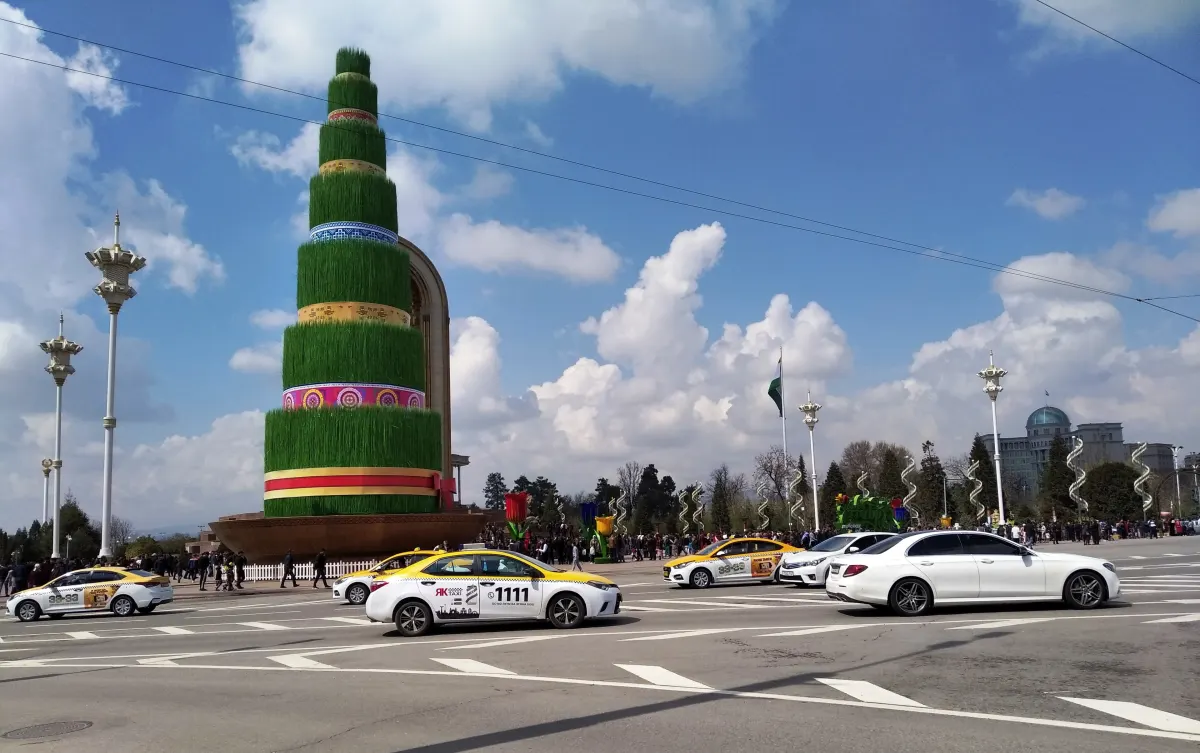
- Navruz, the spring new year, around 21 to 24 March, is the best time to see music, dancing, wrestling, the horseback game buzkashi, and sumanak, a sweet paste of sprouted wheat stirred all night.
- Independence Day is 9 September, with parades. Other public holidays are New Year, 8 March, 9 May, 27 June and 6 November, and the two Islamic feasts, whose dates move.
Languages and words
Tajik is written in Cyrillic. Russian is widely understood, especially in the cities; English is mostly spoken by young people and guides.
- Hello: salom
- Thank you: rahmat
- Yes, no: ha, ne
- How much?: chand pul?
- Goodbye: khayr
Laws to know about
- Photos: don't photograph border posts, checkpoints, police, the military, airports or government buildings. Ask before photographing people, especially women.
- Drones are banned without permission from the security committee.
- Speech: insulting the president, the state or religion, including online, is a crime. Let others raise politics, and keep your own views, and your hosts', off social media.
- Smoking in the street is illegal and fined.
- LGBT+ travellers: same-sex relations are legal, but attitudes are very conservative, and there are reports of abuse and extortion, including by police. Be very discreet.
- Antiques: don't take old objects, or anything from an archaeological site.

Comments
No comments yet.