
The Pamirs and permits: the GBAO permit, Afghan border warnings, checkpoints and planning
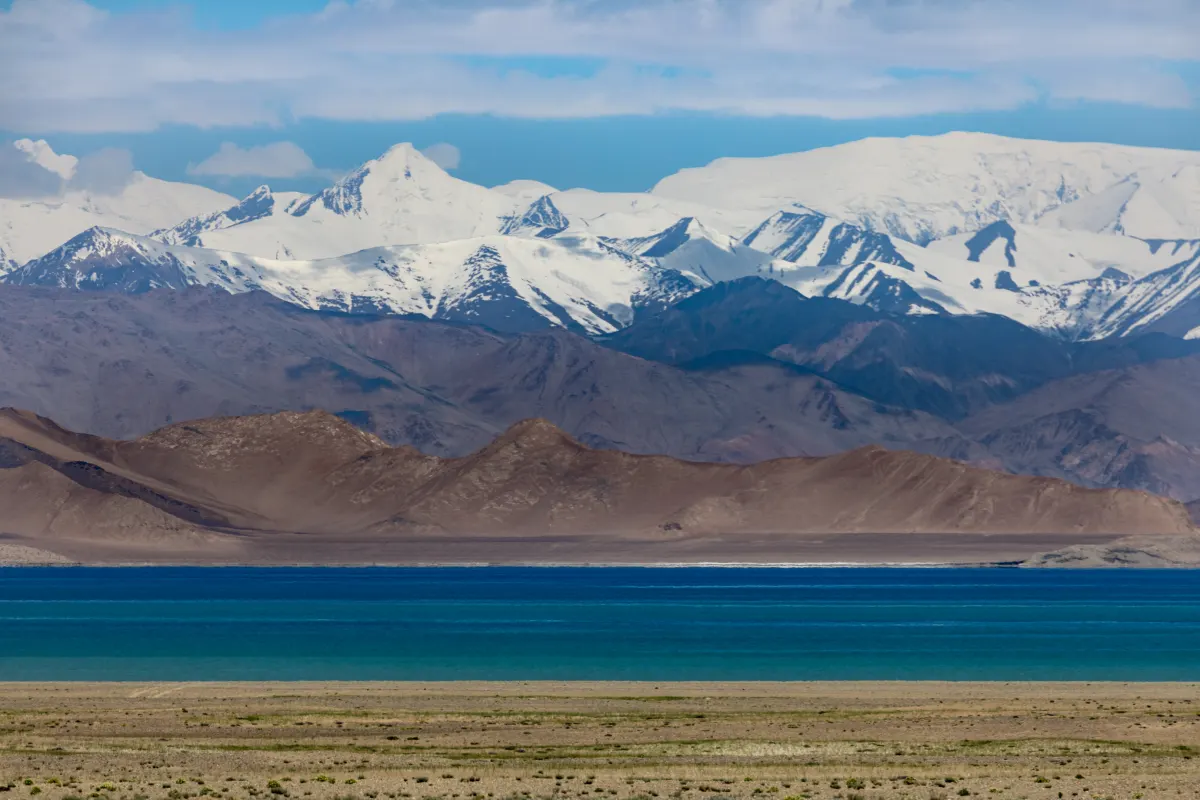
The Pamirs fill the eastern half of Tajikistan: high desert, 7,000 m peaks, and the valley of the Panj with Afghanistan on the other bank. Most of it is the autonomous region of Gorno-Badakhshan (GBAO). Many people visit safely, but several governments now warn against parts of it, so we don't suggest a route here. Read your own government's advice, and check that your insurance is still valid, before deciding.
What governments say
Checked in November 2026:
- Canada: avoid all travel within 10 km of the Afghan border, and avoid non-essential travel to the rest of GBAO.
- Australia: do not travel to the border region with Afghanistan.
- United States: "reconsider travel" (level 3) to the Afghan border and GBAO. In August 2026 the embassy advised against non-essential travel to the border areas, and stopped its own staff from going to them in GBAO.
- Ireland: strongly advises against travel to the border area, and advises caution in GBAO.
- United Kingdom: no area under a formal "advise against" warning at the time of writing, but it describes cross-border attacks, unrest and minefields.
The reasons are real: five Chinese workers were killed in two attacks from Afghanistan in November 2025, in Shamsiddin Shohin (Khatlon) and Darvoz (GBAO). In August 2026 a local woman was killed in Darvoz by a stray bullet from fighting across the river. In Khorog and Rushan there was deadly unrest in 2021 and 2022, and some roads there are still closed.
Which roads are affected
- The Pamir Highway meets the Panj at about Qalai Khumb (Darvoz) and follows the border to Khorog. Almost all of that stretch is well within 10 km of Afghanistan, often just across the river.
- So is the whole Tajik side of the Wakhan Valley, from Ishkashim to Langar.
- Both roads from Dushanbe, through Tavildara and through Kulob, reach the border before Khorog. There's no road from Dushanbe that avoids it. The Tavildara road also crosses an area with minefields from the civil war.
- The eastern plateau, around Murghab, Karakul and Alichur, is mostly further away, and is usually reached from Osh in Kyrgyzstan over the Kyzyl-Art pass. It's still in GBAO, so the advice about that applies too.
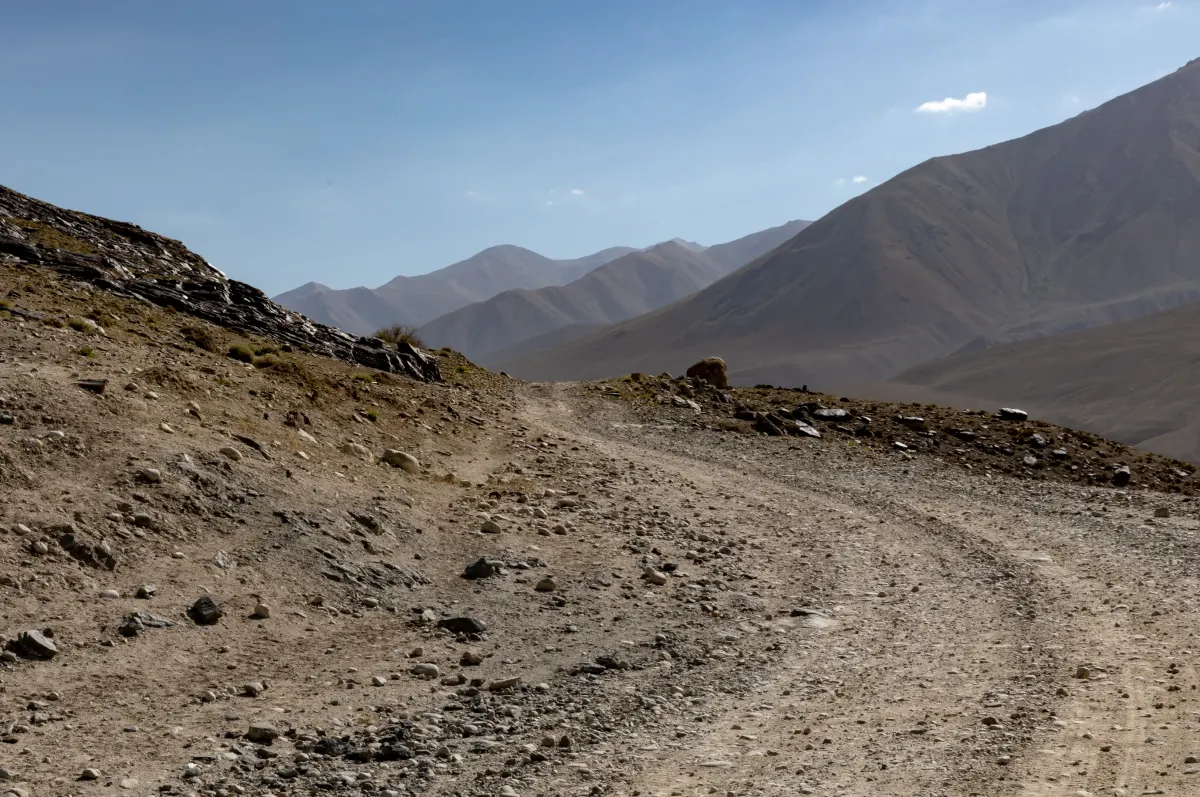
The GBAO permit
- You need it as well as your visa or visa-free stamp, whichever way you enter. Several checkpoints will ask for it.
- With an e-visa: tick the GBAO box on evisa.tj, for US$20 more. This is the easiest way.
- Visa-free visitors can't buy the permit on its own there. They get it from a Tajik embassy, a tour company, or the OVIR office in Dushanbe, or ask the Consular Department in Dushanbe. Fees and times vary, so leave a few working days and ask for a receipt.
- It's for set dates. Make sure it covers getting out as well as in, and carry several printed copies.
- The government stops issuing permits at short notice when there's trouble. Ask the embassy before buying flights.
Extra permits
- Lake Sarez: a special permit from the emergencies committee, rarely given.
- Zorkul: a reserve permit; the lake is also on the Afghan border.
- Tajik National Park: there may be an entry fee: see Tajik National Park.
If you do go
- Use an experienced local company and driver who know that week's conditions. Register with your embassy, and tell someone your route.
- Stay on the road. There are marked and unmarked minefields along the Afghan border and near the Kyrgyz one. Never go down to the river, swim, wave to or photograph border guards, or fly a drone.
- Travel only by day, and don't stop to camp beside the border.
- Most of the plateau is above 3,600 m, and passes reach 4,655 m (Ak-Baital). Going up from Dushanbe or Osh too fast is dangerous: see Health and altitude.
- Bring all your cash, warm clothes even in July, and a way to charge your phone. Homestays are simple, and there's little fuel, signal or medical help.
- The season is about late June to September.
Crossing into Kyrgyzstan
Kyzyl-Art has been open to foreigners, and since July 2025 the extra permission for the pass is no longer needed. Tajik and Kyrgyz citizens and cars can't cross, so your driver drops you and another meets you across about 20 km of no-man's-land. Arrange both in advance, and check that it's open.
Mountains without the warnings
For high lakes, homestays and treks with no permit and away from the Afghan border, go to the Fann Mountains instead.
Comments
No comments yet.