
Health in Tajikistan: altitude, water, vaccinations, rabies, dust and medical evacuation
Health care in Tajikistan is poor outside a few clinics in Dushanbe, and in the mountains it may be a day's drive away. Prepare well: see a travel clinic six to eight weeks before you go, carry a good first-aid kit, and buy insurance with medical evacuation.
Vaccinations
- Be up to date with routine vaccines, including measles, tetanus and polio.
- Hepatitis A is recommended for most travellers. Ask about hepatitis B, typhoid and rabies, especially for longer or rural trips.
- There's no yellow fever requirement.
- Malaria: the World Health Organization certified Tajikistan malaria-free in 2023, and the UK's travel health service says there's no risk. The US CDC's page still mentions some risk, so ask your clinic. Use repellent in any case.
Altitude
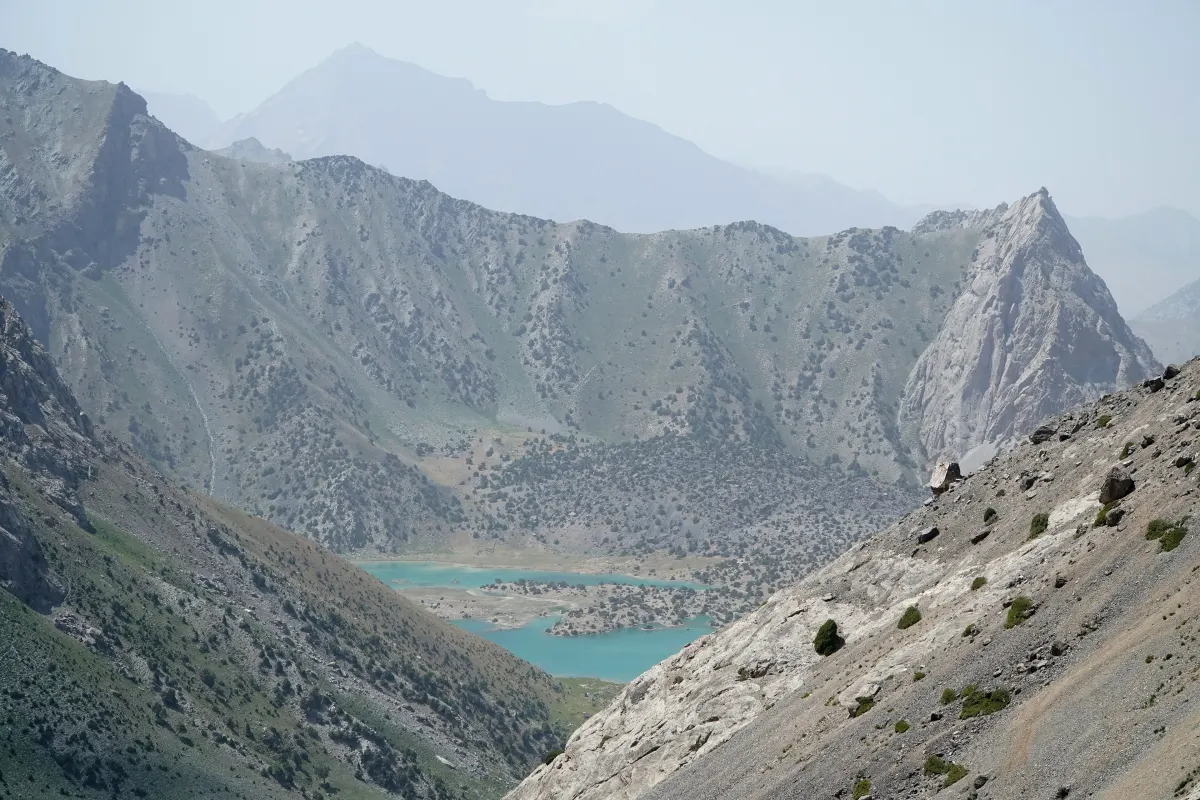
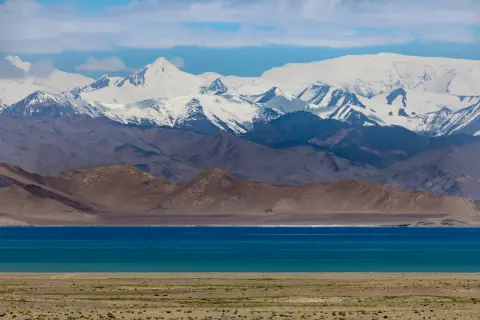
- Dushanbe is at about 800 m. Iskanderkul is at about 2,200 m, the Fann passes between 3,000 and 4,700 m, and the eastern Pamirs mostly above 3,600 m, with road passes over 4,600 m.
- Altitude sickness can affect anyone above about 2,500 m, however fit. Spend a few nights below 3,000 m first. Above that, the UK's travel health service advises sleeping no more than 500 m higher each night, with a rest day every three or four days, and not going from under 1,200 m to over 3,500 m in one day.
- Mild symptoms are headache, nausea, tiredness and poor sleep. Stop going up. If they don't improve, go down.
- Confusion, staggering, breathlessness at rest or a wet cough are emergencies: go down at once, even at night, and get help. People die of this.
- Ask your doctor about acetazolamide. It doesn't replace going up slowly.
- The sun is fierce: use sunscreen, sunglasses and a hat.
Water and food
- Don't drink tap or stream water untreated. Boil it, buy it sealed, or use a filter and tablets; animals graze above most streams.
- Upset stomachs are very common. Wash or gel your hands, eat food that's hot, and bring rehydration salts. Typhoid and hepatitis A are present.
- See Food and drink.
Animals and insects
- Rabies is common in dogs. Keep away from them, including sheepdogs, which guard flocks fiercely: stop, give them a wide berth, and call to the shepherd. Wash any bite or scratch for 15 minutes with soap, and get treatment at once. It may mean going to Dushanbe or leaving the country.
- Ticks can carry Crimean-Congo fever, mostly in the warm months. Cover your legs, use repellent, check yourself daily, and don't handle slaughtered animals.
- Leishmaniasis is spread by sandfly bites in some lowland areas.
Heat, dust and cold
- Dushanbe and the south often pass 38°C in July. Rest in the middle of the day and drink plenty.
- Dust storms make the air bad in Dushanbe and Khatlon, mostly from summer to autumn, and winter smoke adds to it. If you have asthma, bring a mask and your inhalers.
- Winter homes in the countryside can be very cold, with power cuts.
Medical care and insurance
- Hospitals lack equipment, drugs and sometimes power and water, and sterile needles can't be taken for granted. For anything serious you'd be flown out, so check that your policy covers evacuation, trekking to the height you plan, and the places you're visiting: it may not be valid where your government advises against travel.
- The British embassy publishes a list of medical providers in Dushanbe. Pay in cash, and keep the receipts.
- Call 103 for an ambulance, or 112.
Medicines
- Bring all you need, in its packaging, with the prescription and the generic names. Some counterfeit medicines are sold locally.
- Some painkillers, sleeping pills and other controlled drugs are restricted. Ask a Tajik embassy before travelling with them.
- Stays of more than 90 days need an HIV test or certificate.
Comments
No comments yet.