
Getting around Tajikistan: shared taxis, 4x4s with drivers, flights, mountain tunnels and road closures
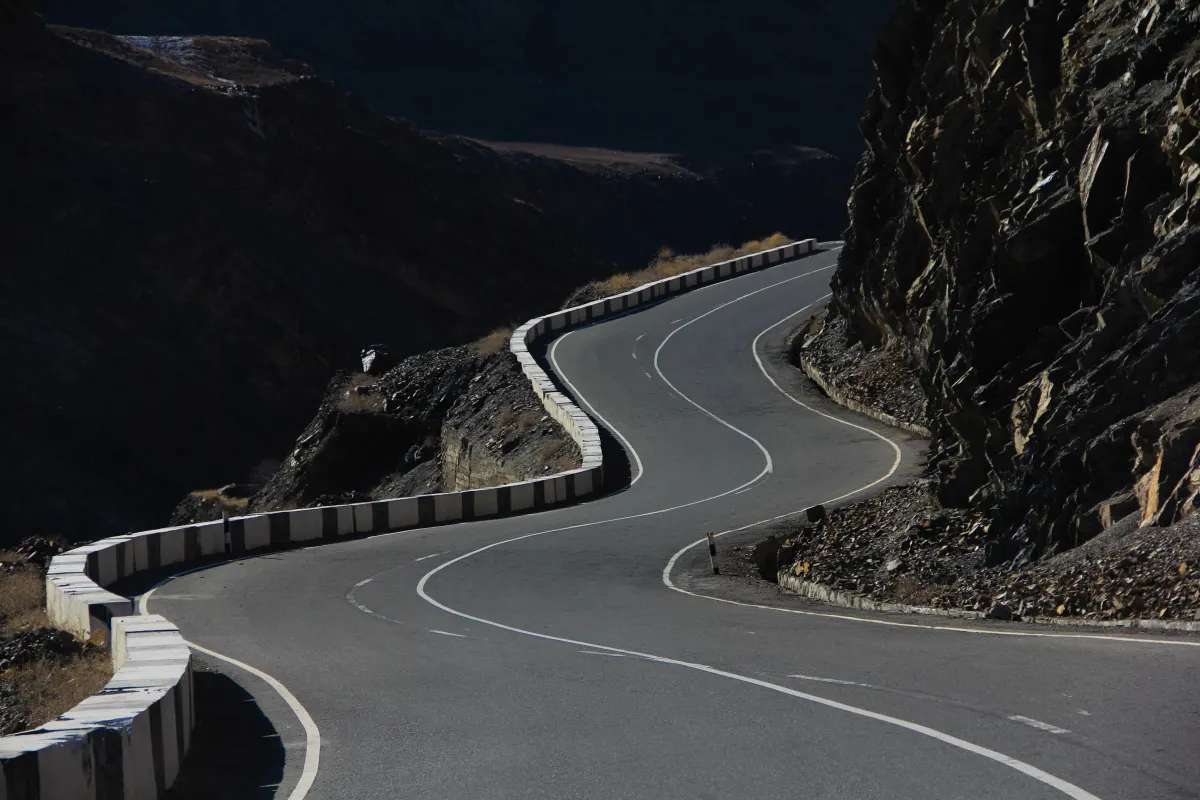
More than nine-tenths of Tajikistan is mountains. Few trains run, big buses are rare, and a place that's close on the map can be most of a day away. You'll travel mostly by shared taxi or in a hired 4x4 with a driver. Plan short days, travel in daylight, and leave a spare day before your flight home.
Shared taxis
- They're the main public transport between towns: cars and seven-seaters that leave from fixed stands when they're full. Come early in the morning, especially for long trips.
- Each seat has a going rate. Ask your guesthouse what it is, and agree it before you get in. To leave sooner, or to have more room, pay for the empty seats.
- Different destinations have different stands, usually on that side of town. In Dushanbe, cars for Khujand and the north leave from the terminal in the Chorbogh area, in the north of the city.
- As a guide, seats in summer 2026 were reported at about 170 somoni from Dushanbe or Khujand to Panjakent, 150 to 200 from Dushanbe to Khujand, and 70 from Dushanbe to Sarvoda, for Iskanderkul.
- Minibuses (marshrutkas) are cheaper and slower. The Canadian government advises against them: they're often overcrowded, badly driven and without seatbelts. Look at the car and the driver, and walk away if you don't like them.
A 4x4 with a driver
For the lakes, the rough valleys and any trip with stops, hire a car with a driver through a guesthouse, a tour company or the tourist association in Panjakent (ZTDA), alone or sharing with other travellers. Agree the route, the number of days, who pays for fuel and the driver's bed, and whether the price is per car. Check that the seatbelts work. Agencies were quoting around US$0.70 to 0.90 a kilometre in 2026.
The road north, and its tunnels
- The main road from Dushanbe to Khujand is about 300 to 340 km and takes 5 to 7 hours. It crosses two ranges by tunnel: the Anzob (officially Istiqlol) tunnel, 5 km long at about 2,700 m, and the Shahriston tunnel. The branch to Panjakent turns off at Ayni between them.
- The Anzob tunnel still has poor lighting and ventilation. Close the windows, set the air to recirculate, and don't go through on a bicycle: ask for a lift in a truck.
- In winter the road is icy and avalanches close it, as they did twice in February 2026. Ask about conditions before setting off from November to April.
- Part of it is a toll road; taxi fares include it.
The Pamir Highway
The M41 from Dushanbe to Khorog, Murghab and Osh in Kyrgyzstan is one of the world's great road trips, but much of it follows the Afghan border, where several governments advise against travel. Read The Pamirs and permits before you book anything.
Flights
- Dushanbe–Khujand: Somon Air flies several times a week, about 45 minutes, for around US$50 to 100.
- Dushanbe–Khorog: a new service was launched in September 2026, with a flight along the gorges that depends entirely on the weather. Don't plan a connection around it.
- Another airline, Shohin, announced plans in November 2026 for small planes to Khorog, Khujand, Bokhtar and Kulob. Check what's really running.
Trains
Trains are few and slow, and no use for sightseeing, though there's an international train between Dushanbe and Tashkent through Uzbekistan. Check the days and your visas for both countries.
In Dushanbe
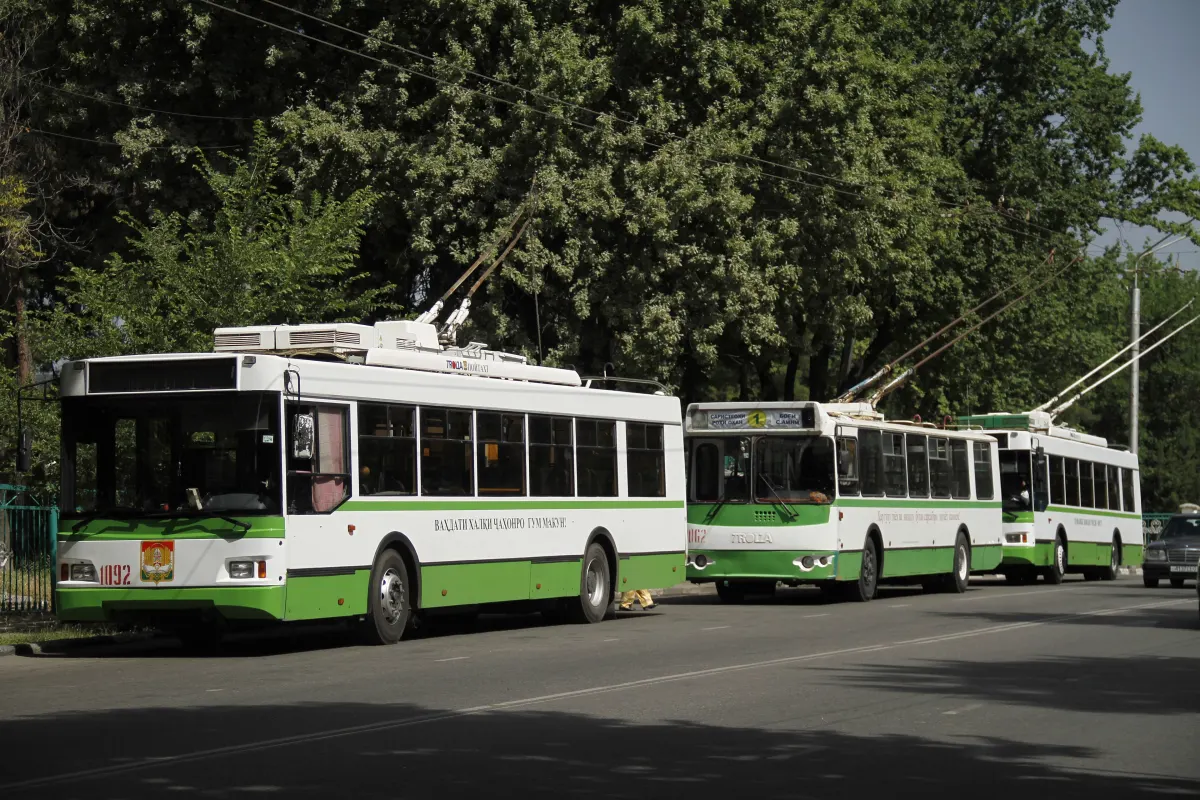
- The centre is green and easy to walk. Buses and trolleybuses run up and down Rudaki Avenue; you pay with a transport card, which you buy at kiosks.
- Taxi apps work in the city, but which ones are allowed has changed more than once, so ask your hotel which app to use now. Otherwise agree the fare first. Don't get into a car that already has a passenger.
Driving and cycling
- You can drive with your own licence and, for the British, a 1968 International Driving Permit, for up to 30 days. Get a Russian or Tajik translation. The limit for alcohol is zero.
- Petrol stations are rare outside towns and there are no breakdown services. Carry a spare tyre, water, food and warm clothes, and never drive at night.
- If you bring your own car, declare it, and check how long the customs paper allows: the UK government says up to 60 days without duty, but shorter permits are often given at the border.
- Cyclists love the country. Expect tunnels, dust, rockfall and dogs, carry a good lock and water filter, and keep to the road near borders because of mines: see Safety.
When roads close
- Winter (November to April): snow and avalanches on the passes; many interior roads open only in summer.
- Spring (March to June): mudflows, floods and rockfall after rain and snowmelt. Roads can be cut for hours or days.
- Summer: melting glaciers raise rivers in the afternoon, so ford them early in the day.
See the routes: a week in Dushanbe and the Fann Mountains and the north, from Samarkand to Tashkent.
Comments
No comments yet.