
Bangladeshi food and drink: biryani, hilsa, bhorta, pitha, tea, and eating safely
Bangladeshi food is about rice and fish, with mustard oil, green chilli and a lot of flavour. In Dhaka, the Mughal tradition adds rich meat and rice dishes.
What to try
- Kacchi biryani: mutton and potatoes cooked slowly with rice in a sealed pot, the great dish of Old Dhaka, often with borhani, a spiced yoghurt drink.
- Hilsa (ilish): the national fish, in mustard sauce or fried. Watch out for the bones. Catching it is banned for some weeks each year, usually in October, so it may be off the menu then.
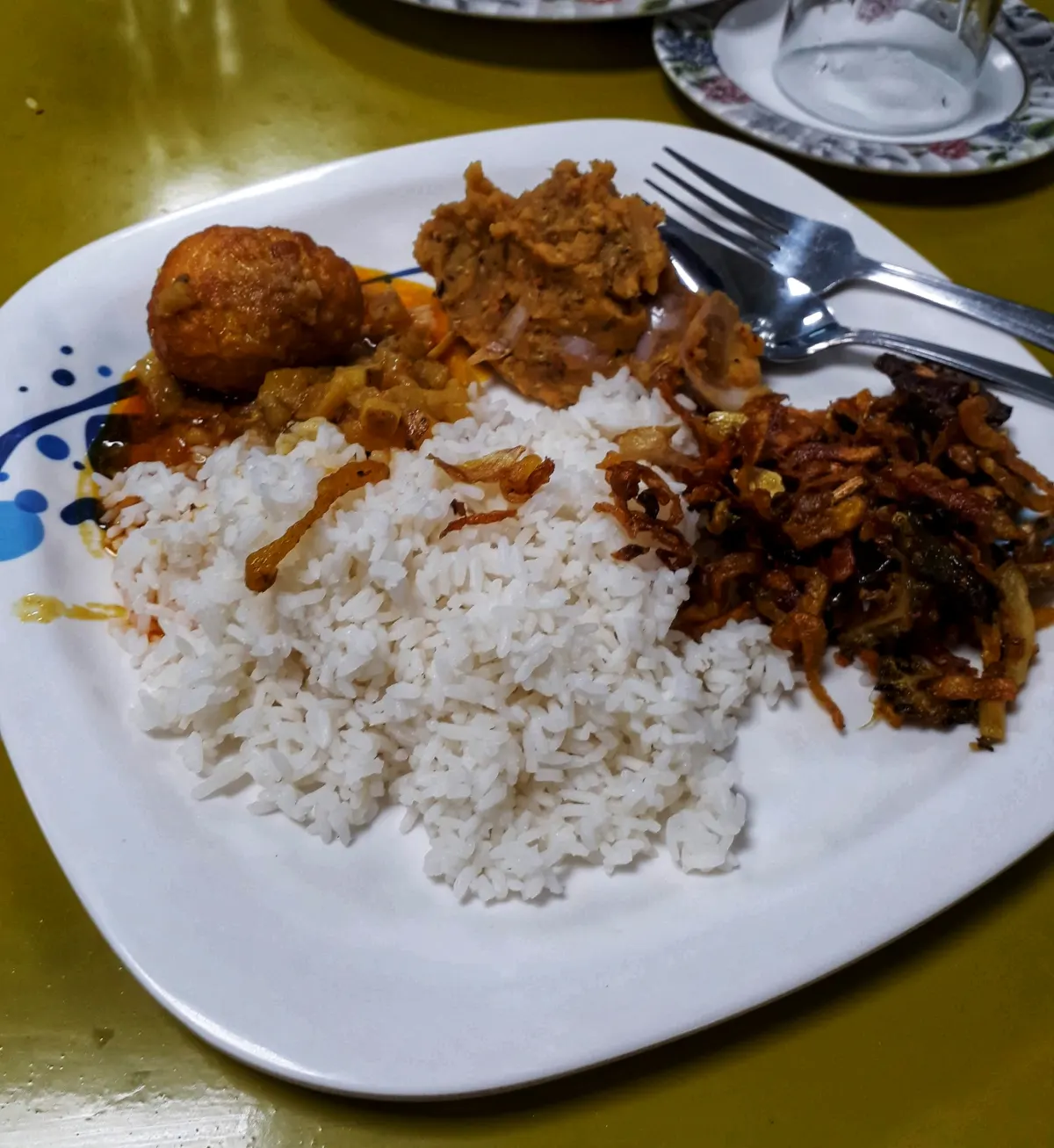
- Bhorta: mashed potato, aubergine, fish or lentils with mustard oil, onion and chilli. A plate of several bhortas with rice is cheap, simple and very good.
- Bhuna (meat cooked until the sauce is thick), dal (lentils), fish curries, and khichuri, a rice and lentil dish eaten on rainy days.
- In Chattogram, mezban beef, a hot curry served at feasts.
- Pitha: rice cakes sold from street stalls in winter, such as bhapa pitha with date-palm sugar and coconut.
- Sweets: roshogolla, mishti doi (sweet yoghurt, the best known from Bogura), and chomchom from Tangail.
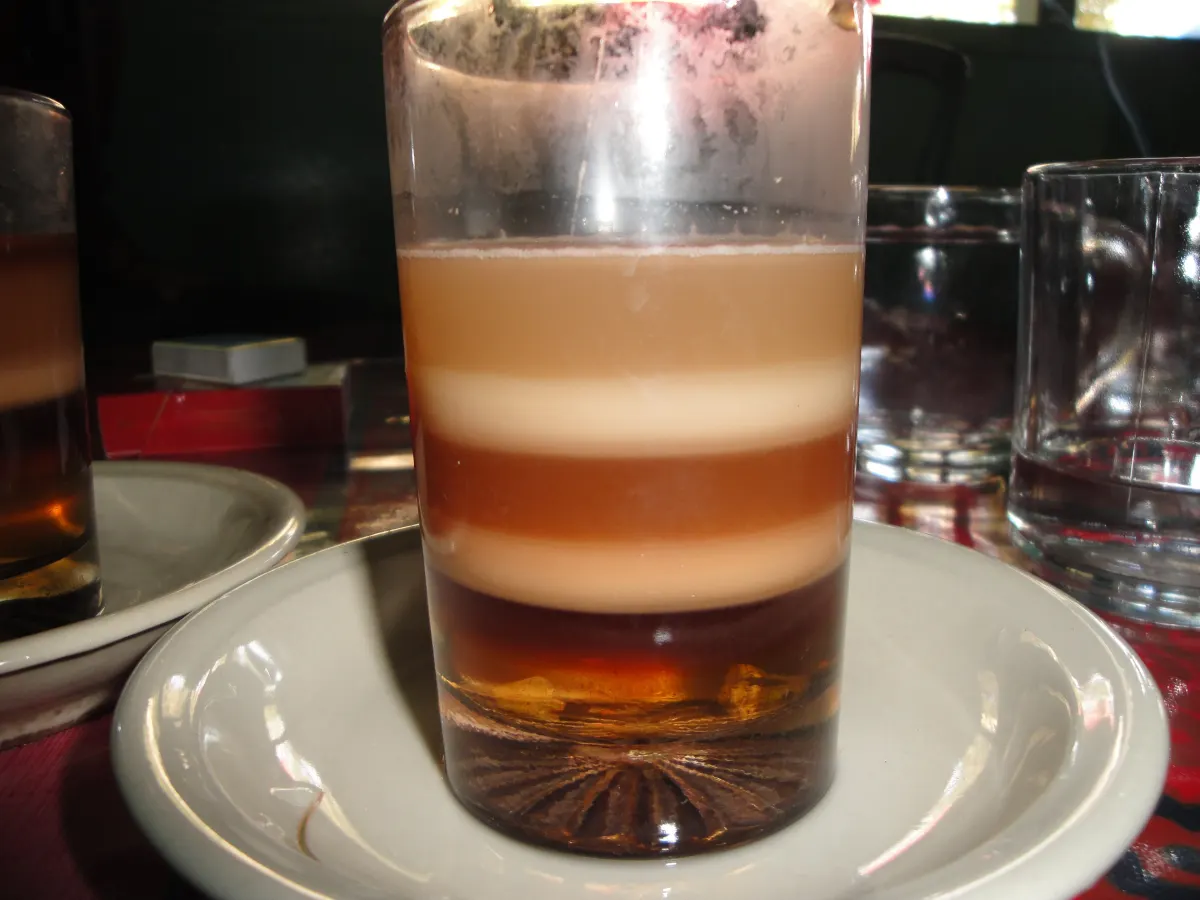
- Tea: sweet milk tea at stalls everywhere, and the striped seven-layer tea of Sreemangal.
Street food
- Fuchka (crisp shells with spiced potato and tamarind water), chotpoti (chickpeas) and jhalmuri (spicy puffed rice) are the favourite snacks. Fuchka's water and raw garnishes are the risky part.
- Safer choices are food that's cooked in front of you and eaten hot: paratha, singara and samosas, kebabs, or tea.
How meals work
- People eat with the right hand. Wash first: restaurants have a basin. Spoons are usually available.
- Most restaurants are halal. Pork is hard to find, and beef is common. In Hindu areas beef isn't eaten.
- Vegetarians can manage with dal, vegetables, bhorta, egg and rice, but fish is everywhere, and many vegetable dishes include shrimp or fish stock. Say what you don't eat.
- In Ramadan most daytime restaurants close or cover their windows. The evening iftar food market in Old Dhaka's Chawkbazar is a sight in itself.
Eating safely
- Don't drink tap water, and don't brush your teeth with it if your stomach is sensitive. Use boiled, filtered or bottled water and check that the seal isn't broken. Bangladesh also has natural arsenic in many shallow wells, so don't drink well water.
- Avoid ice, salads, cut fruit, raw chutneys, unpasteurised milk, and food that's been sitting around.
- Don't drink raw date-palm sap (khejur rosh), sold in winter: it can carry Nipah virus, which killed a person in early 2026. Boiled sap and date-palm sugar are fine. Australia also warns about raw meat, as anthrax has been found in Bangladesh, and says to eat only well-cooked beef.
- Bring oral rehydration salts (sold in every pharmacy as "ORS") for a bad stomach, and see Health.
Alcohol
- Alcohol is restricted, and sold only in licensed hotel bars and clubs: see Culture and etiquette. Tea, lassi, sugar cane juice (ask about the ice) and fresh coconut are what to drink instead.



Comments
No comments yet.