
Safety in Bangladesh: the current travel warnings, politics, the Chittagong Hill Tracts and scams
Bangladesh is a friendly country, and most visits go well. But politics is tense, strikes and protests turn violent with little warning, and one region, the Chittagong Hill Tracts, is under travel warnings. Read your own government's advice before you plan, and check that your insurance covers you: policies often don't pay for trips against official advice.
What governments advise, at the time of writing
- The UK advises against all but essential travel to the Chittagong Hill Tracts (the districts of Rangamati, Khagrachari and Bandarban). The rest of Bangladesh isn't under a travel warning, but the government describes serious risks from terrorism and unrest. Its page was still current on 23 November 2026.
- Canada says to take a high degree of caution, and to avoid all travel to the Hill Tracts because of violence, kidnappings and ethnic clashes.
- Australia says to take a high degree of caution in Bangladesh, and to reconsider your need to travel to the Hill Tracts.
- The United States is reported to have lowered Bangladesh to Level 2, "Exercise increased caution", in July 2026, with "Do not travel" for the Hill Tracts. Press reports say the warning also covers areas near the Myanmar border and the refugee camps near Cox's Bazar. Read the State Department page itself for the current wording.
- New Zealand says to take increased caution, with higher warnings in some areas, and recommends registered taxis, not public transport.
Politics and strikes now
- Sheikh Hasina's Awami League government fell in the uprising of July and August 2024. Since the election of 12 February 2026, the prime minister has been Tarique Rahman of the Bangladesh Nationalist Party (BNP). The Awami League's activities are banned, but its supporters still organise protests.
- In November 2026, supporters of the Awami League tried to shut down the country. There were crude bombs, burnt buses and attacks on police and buildings, and people were killed. A highway from the west was blocked for more than a day, and the south around Gopalganj and the Dhaka–Khulna and Dhaka–Barishal roads were worst hit. More protests were expected. This can change quickly, so check the news.
- A hartal is a general strike, and a blockade closes roads, railways or rivers. On those days, vehicles that move can be attacked, so stay where you are. Canada suggests avoiding travel in Dhaka away from Baridhara and Banani, and avoiding all travel outside Dhaka.
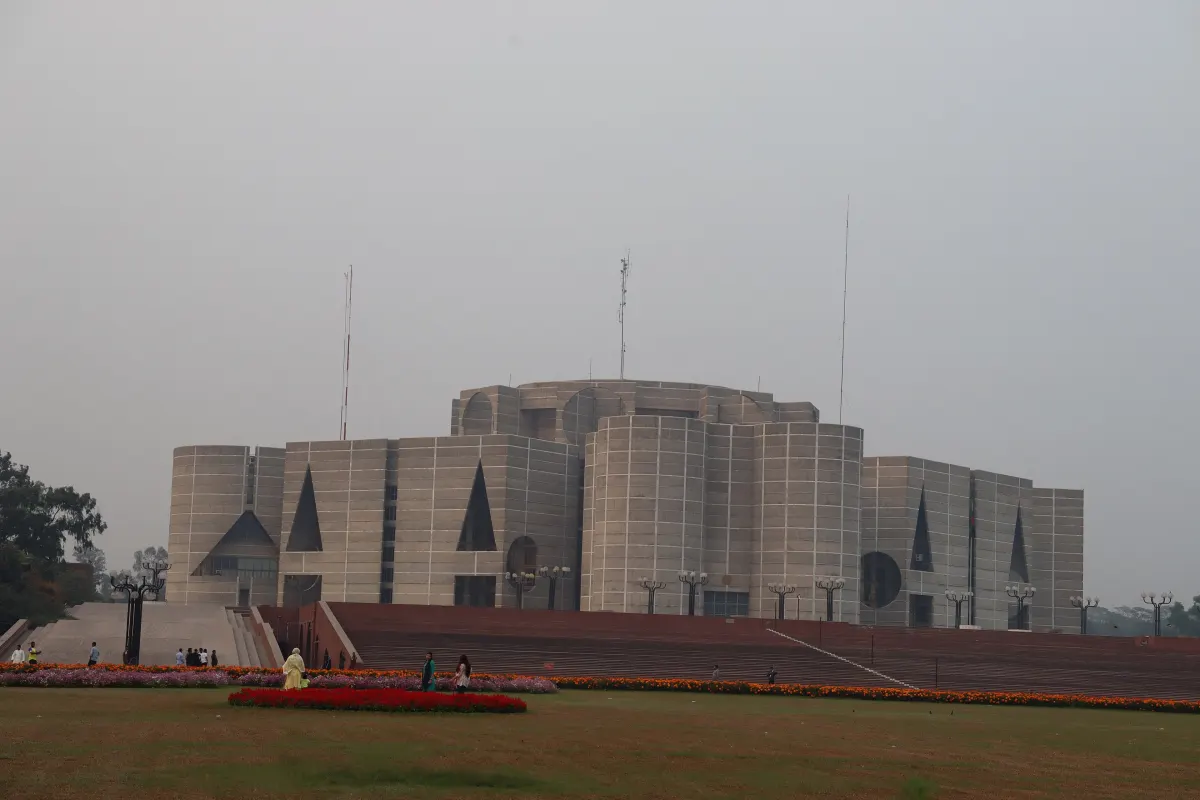
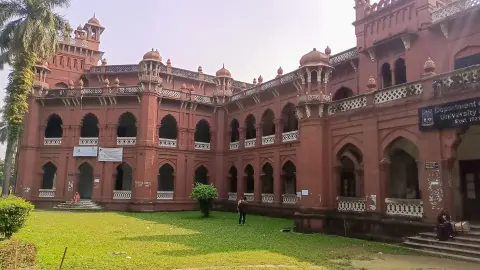
- Keep away from demonstrations, police and political offices, particularly after Friday prayers and on political anniversaries. Dhaka hot spots include the Parliament area, Shahbag, Dhaka University, Motijheel and the Baitul Mukarram mosque.
- Don't post about local politics on social media: people have been arrested for it. Mobile data has been cut in past unrest.
The Chittagong Hill Tracts: what permission you need
- The Hill Tracts (Rangamati, Khagrachari and Bandarban, with Sajek Valley, Nilgiri and Kaptai Lake) are the hills that many Bangladeshis visit on holiday. Foreigners need permission in advance, and there are army checkpoints that check for it.
- The UK says that you must give the authorities 10 days' notice; Canada says to contact the Divisional Commissioner's Office in Chattogram at least 10 days before you arrive; Australia says to apply to the Deputy Commissioner's Office. Guides also mention Ministry of Home Affairs approval. Apply through a registered tour operator, and don't go without written permission.
- Security is poor: in October 2026 a gunfight between the army and an armed group in Sajek stranded about 3,000 tourists, and Sajek was then closed until further notice. Kidnapping and clashes between armed groups happen.
- For that reason, none of the itineraries in this guide go there.
Near Myanmar, and kidnapping
- Take care in the far southeast. Fighting in Myanmar reaches the border, and Teknaf and Ukhia, where the Rohingya refugee camps are, have a lot of gang violence, drug smuggling and kidnapping. Entry to the camps is controlled, and you need permission. Don't go to see the camps. Cox's Bazar town is not in this area, but Australia says there's an increased threat of kidnapping in the Chittagong area, including Cox's Bazar, and in the Sundarbans.
- Near India, stay away from the border itself.
Terrorism
- The UK says terrorists are very likely to try to carry out attacks, and that possible targets include restaurants, places of worship, transport and crowded places. There have been few recent attacks on foreigners, but in 2016 gunmen attacked a Dhaka café. Be alert in crowded places and near police and public buildings.
Crime and scams
- The UK reports more violent crime since 2024, including armed robbery. Thieves, often in pairs on motorcycles or in CNGs, snatch bags and phones. Don't walk after dark, carry your bag on the side away from the road, and keep windows up.
- Don't accept food or drink from strangers, on buses and trains too: drugged food is a known way to rob people.
- Methanol in bootleg alcohol has killed people in Bangladesh. Drink only sealed, branded drinks from licensed bars.
- Women may face harassment and assault: see Culture and etiquette.
- Arguments after a traffic accident can attract an angry crowd. If you're in an accident, stay calm and phone the police.
Laws to know
- Drug offences bring severe sentences, up to death. Same-sex relations are illegal. Photographing military or government buildings, airports and officials can get you into trouble.
- Carry a copy of your passport and visa: police can ask for them.
Getting help
- 999 is the number for police, fire and ambulance. The helpline for violence against women and children is 10921, according to Canada.
- Register with your country's embassy or travel advice service. New Zealand has no embassy in Bangladesh, so check which of your country's offices will help you.
- For the Bangladesh police, the Expatriate Help Cell helps foreigners.
This is a summary of other governments' advice, which changes often. Read the full UK, Canadian, Australian, US and New Zealand advice before you go, and check it again just before you travel.
Comments
No comments yet.