
Culture and etiquette in Bangladesh: Islam, dress, mosques, alcohol, photography and advice for women travellers
Bangladesh is mostly Muslim, with Hindu, Buddhist and Christian minorities. People are curious about foreigners and very hospitable, and you'll be asked where you come from many times a day. It's also conservative, so dress and behave modestly.
Religion
- About nine in ten people are Muslim, and life follows the five daily prayers. Shops may close for a while on Friday around midday.
- Ramadan is expected to start around 7–9 February 2027, depending on the moon, and Eid al-Fitr to fall around 10 March. Don't eat, drink or smoke in public in daylight. Australia says that people can be detained for it. Hotels serve meals indoors. Government offices work shorter hours, and travel is very busy before and after Eid.
- Don't criticise Islam, or any religion, and take care with jokes.
What to wear
- The UK government says men and women should dress modestly. Women should cover shoulders and legs: loose trousers or a long skirt with a long top, or a local shalwar kameez, are right. A light scarf (dupatta or orna) is useful. Men wear long trousers, and shorts are for the beach.
- The villages and Old Dhaka are more conservative than Gulshan.
Mosques and temples
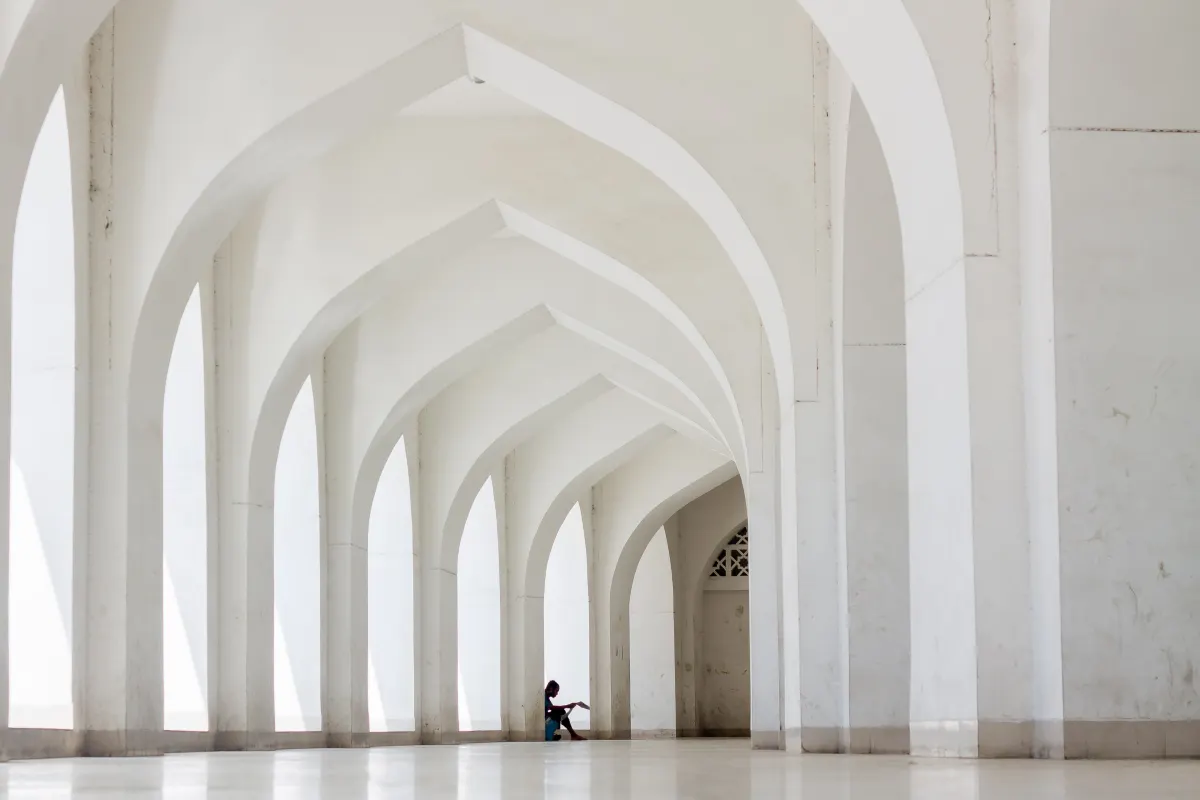
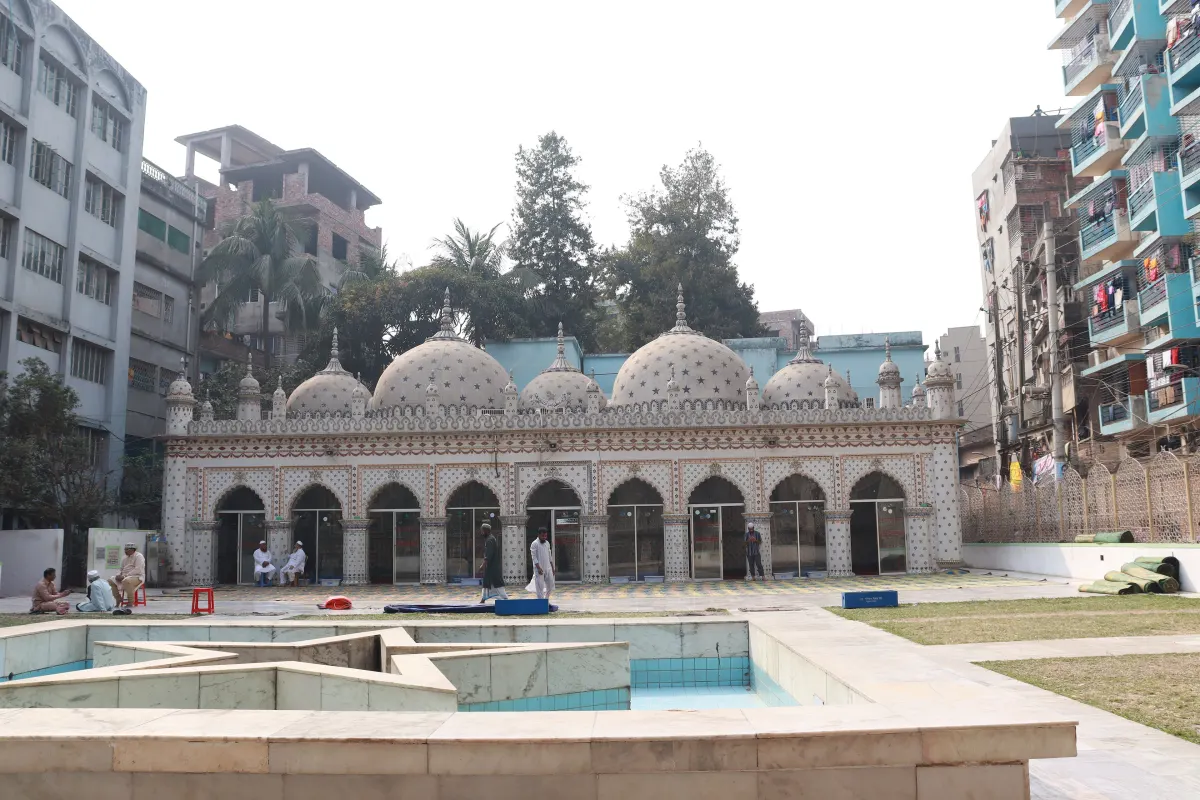
- Non-Muslims can visit some mosques, such as the Star Mosque in Dhaka and the Sixty Dome Mosque, outside prayer times. Ask first. Take off your shoes, and women cover their hair. Women may be asked to stay in a separate area.
- Friday midday is for worshippers, and not the time to visit. Avoid big crowds (see Safety).
- In Hindu temples, take off your shoes and ask before photographing.
Alcohol and drugs
- Alcohol is illegal for Muslims, and for Bangladeshi citizens without a permit, including dual nationals. Foreigners can drink in licensed hotel bars and clubs. Guides say that they don't need a permit there, but the UK government says you may need a liquor permit. Ask your hotel, and carry your passport.
- It's not sold in ordinary shops, and drinking in public isn't allowed. Don't drink anything home-made or cheap: methanol poisoning has killed people.
- Drugs bring severe sentences.
Greetings and being a guest
- "Assalamu alaikum" is the usual greeting. "Dhonnobad" means thank you. Men shake hands with men; wait for a woman to offer her hand, and put your hand on your heart if she doesn't.
- You'll be offered tea and food, and it's polite to accept a little. Take your shoes off at the door of a home, use the right hand to give and receive, and don't show the soles of your feet.
- Couples don't kiss or hug in public. A married couple rarely has a problem, but some hotels ask for proof of marriage or refuse unmarried couples, and police check hotels.
Photography
- People often love to be photographed, and want a selfie with you. Ask first, especially for women, and for anyone praying or poor.
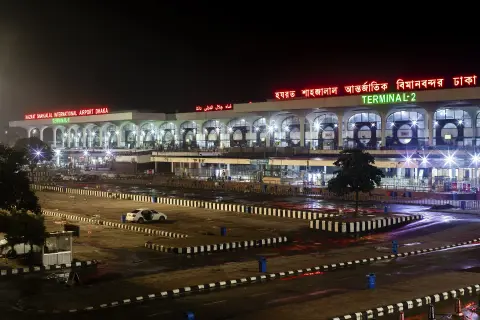
- Don't photograph government offices, airports, bridges, soldiers, police or demonstrations. Canada says that it's illegal to photograph some of these.
- Don't fly a drone without permission.
Women travellers
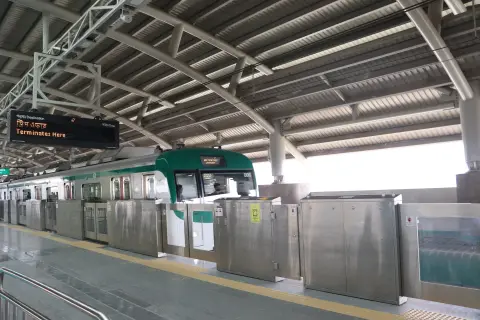
- Staring and unwanted comments are common, and harassment and assault happen. The UK, Canada and Australia warn women to avoid isolated places and being alone at night. Use a car or the metro's women-only car, not empty buses, and tell someone where you're going.
- A wedding ring, dark glasses and modest clothes help, but nothing stops it all. Be firm and loud. Other women on a train or bus usually help.
- Local tour guides, including female guides, are a good idea for a first visit. Family-run hotels with a good reputation are safer than cheap ones. The helpline for women is 10921.
Minorities and gay travellers
- Same-sex relations are illegal and can bring a long sentence, and there's little public acceptance. Avoid showing affection, and don't discuss it in public.
- There have been attacks on religious minorities, especially at times of political trouble.

Comments
No comments yet.