
Health in Bangladesh: dengue, measles, air pollution, water, vaccinations and hospitals
See a travel clinic at least eight weeks before you go. The main things to prepare for are stomach upsets, mosquitoes, air pollution and limited hospitals. This article isn't a substitute for a doctor's advice.
Before you go
- Ask about hepatitis A, typhoid and tetanus, for which the UK travel-health site TravelHealthPro recommends vaccination for most travellers, and hepatitis B, rabies, Japanese encephalitis and cholera depending on your trip.
- Make sure your MMR (measles) vaccination is complete. Bangladesh has had a very large measles outbreak in 2026, with more than 1,300 deaths reported by late November (mostly children), and Australia mentions cases in Dhaka too.
- You need a yellow fever certificate if you arrive from a country where it's a risk. Some travellers need proof of polio vaccination.
- Take a first-aid kit, your usual medicines with the prescription and a doctor's letter, and insurance that covers medical evacuation. The nearest high-standard hospitals are in Bangkok and Singapore.
Mosquitoes: dengue, chikungunya and malaria
- Dengue is present all year and peaks in and after the monsoon, roughly from May to November. 2026 has been a bad year: by 22 November health authorities had counted about 173,000 people in hospital and more than 500 deaths. The mosquitoes bite in daytime, and are common in Dhaka.
- See a doctor for a fever, and take paracetamol, not aspirin or ibuprofen, until dengue is ruled out.
- Chikungunya and Zika also occur.
- Malaria risk is high in the Chittagong Hill Tracts, where tablets are recommended. The UK says that the risk is very low elsewhere; Norway's health authority also recommends tablets and bite prevention for Chattogram, Cox's Bazar and the north-east, including Sylhet and Moulvibazar (where Sreemangal is). Ask a travel clinic.
- Use repellent with DEET day and night, long sleeves, and a room with a screen or air conditioning. Japanese encephalitis is a risk in rural areas, mostly from June to November.
Air pollution
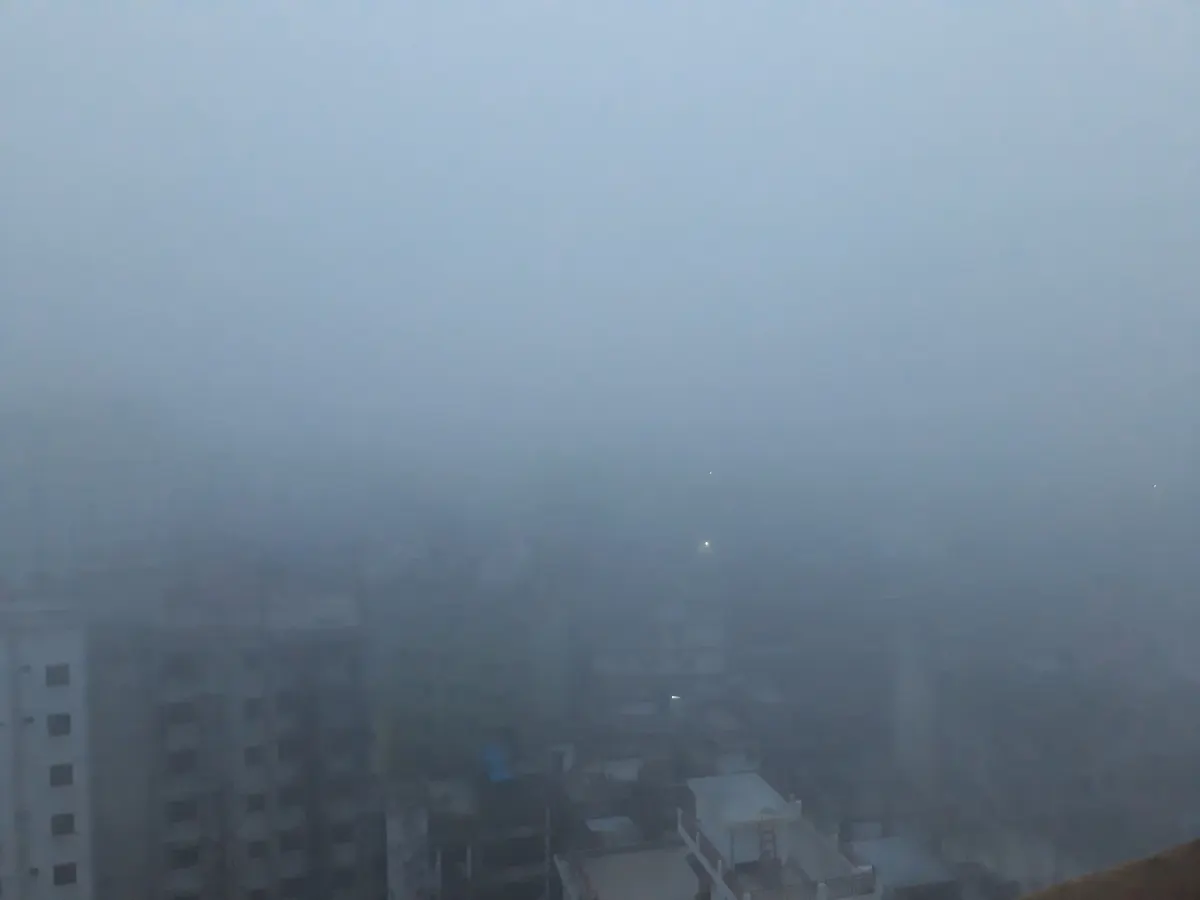
- From November to March, Dhaka and other cities often have some of the worst air in the world. If you have asthma, heart disease or are pregnant, ask your doctor if you should go.
- Check the air quality index, wear a well-fitting N95/FFP2 mask, stay indoors with the windows closed on bad days, and save outdoor sights for the cleaner times. The air is usually better in the countryside and by the sea.
Water and food
- Don't drink tap water: use bottled (check the seal), boiled or filtered water, and avoid ice. Many wells have natural arsenic, and floods make water dirtier. Cholera and other diarrhoea happen, especially in and after the monsoon.
- Wash hands or use gel, and follow the advice in Food and drink. Drink plenty, and use rehydration salts if you have diarrhoea. See a doctor if it's bloody, with a fever, or if it lasts over two days.
- Don't drink raw date-palm sap in winter: it can carry Nipah virus.
Animals, heat and water
- Rabies is present. Don't touch dogs, monkeys or bats. If you're bitten or scratched, wash the wound with soap for 15 minutes and go to a hospital the same day.
- April and May are very hot and humid. Drink water, rest at midday, and look out for heatstroke.
- Don't swim in rivers, ponds or flood water. Sea currents at Cox's Bazar are dangerous: see The Sundarbans, Cox's Bazar and Saint Martin's.
Hospitals and pharmacies
- The UK government says that medical facilities are poor and that some tests are unreliable. The best private hospitals are in Dhaka, and you'll normally pay a deposit in advance. Outside Dhaka care is very limited.
- For an ambulance, ring 999. Your own car or a taxi may be faster than an ambulance. For a suspected heart attack, ask for a cardiac ambulance.
- Pharmacies are everywhere and sell most medicines without a prescription, but fake and expired medicines exist, so use a big pharmacy with a pharmacist, and check the date.


Comments
No comments yet.