
Arriving in Jordan: visas on arrival, the Jordan Pass and crossing from Israel at the King Hussein Bridge
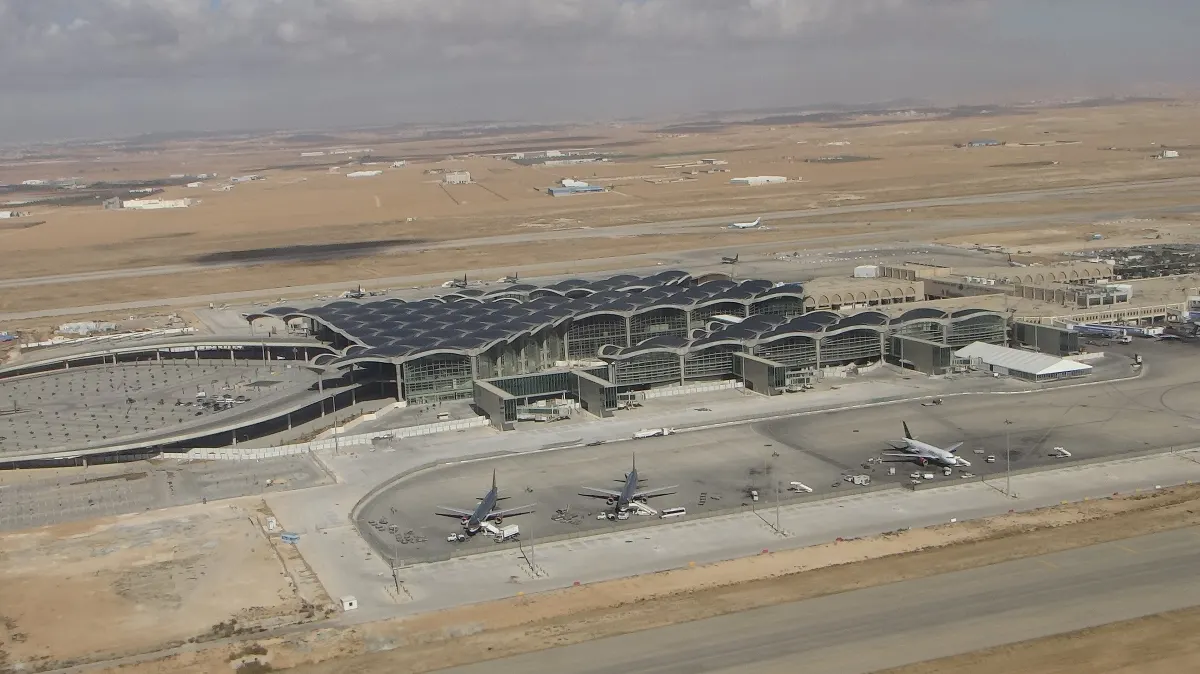
Most visitors from Europe, North America and Australasia can get a visa when they land in Jordan, and many never pay for it at all, because the Jordan Pass waives the fee. The catch is the land borders with Israel and the West Bank, where the rules are different at each crossing. This sums up the rules as of November 2026: check them again before you go.
Before you go
- Passport: it should be valid for at least 6 months from the day you arrive.
- Visa: you need one, but many nationalities, including British, American, Canadian, Australian and most European passport holders, can buy a single-entry tourist visa on arrival at Queen Alia International Airport in Amman and at some land crossings. It costs 40 Jordanian dinars (JD). Some nationalities must apply in advance: check with a Jordanian embassy or the Ministry of Interior's e-services site. A few nationalities (Japan, Malaysia, South Africa and Hong Kong among them, says the Jordan Pass site) don't pay the visa fee at all.
- Read your government's travel advice: see Safety in Jordan. The situation in the region changes quickly, and flights and borders can be disrupted at short notice.
- Drones need approval from the Jordanian authorities before you travel, or they're held at the airport.
The Jordan Pass
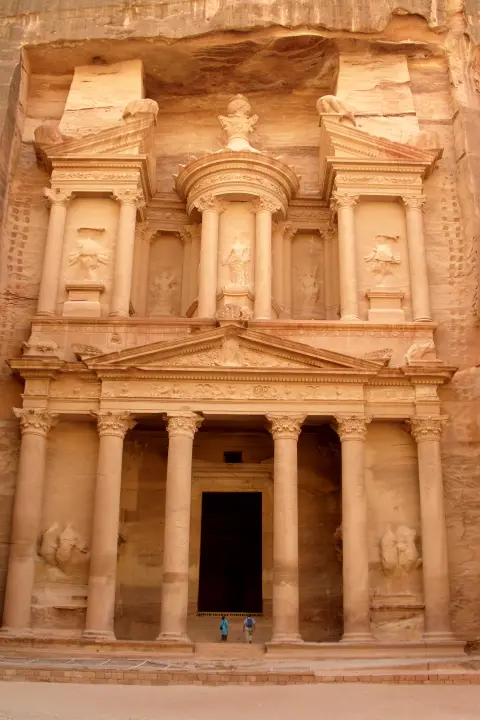
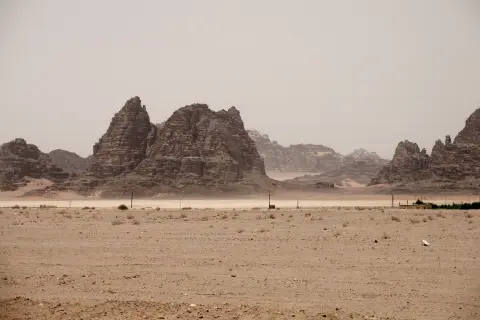
The Jordan Pass is a combined ticket sold online by the Jordanian government, and for most visitors it's the best deal in the country. It includes entry to Petra and over 40 other sites, among them Jerash, Wadi Rum, Kerak Castle, the Amman Citadel and Ajloun Castle, and it waives the 40 JD visa fee.
- Prices: Jordan Wanderer 70 JD (one day at Petra), Jordan Explorer 75 JD (two days in a row at Petra) and Jordan Expert 80 JD (three days in a row). A single day ticket for Petra alone costs 50 JD, so the pass pays for itself quickly.
- The visa waiver works only if you buy the pass before you arrive and stay in Jordan at least two whole nights (three days), says the Jordan Pass site; the UK's travel advice says three nights, so allow for that. Immigration checks how long you stayed when you leave, and if it was too short you pay the fee then.
- Show it at the visa desk at the airport. Print it: the site says the QR code may not scan from a phone, and you'll need your passport at each site.
- It's valid for 3 months from purchase, and expires a month after the first time it's scanned at a site.
- Not included: Petra by Night, the Baptism Site at Bethany Beyond the Jordan (an 8 JD add-on when you buy the pass), guides, and transport. Children under 12 get into most sites free anyway.
- It isn't sold to Arab nationals, who have their own ticket prices.
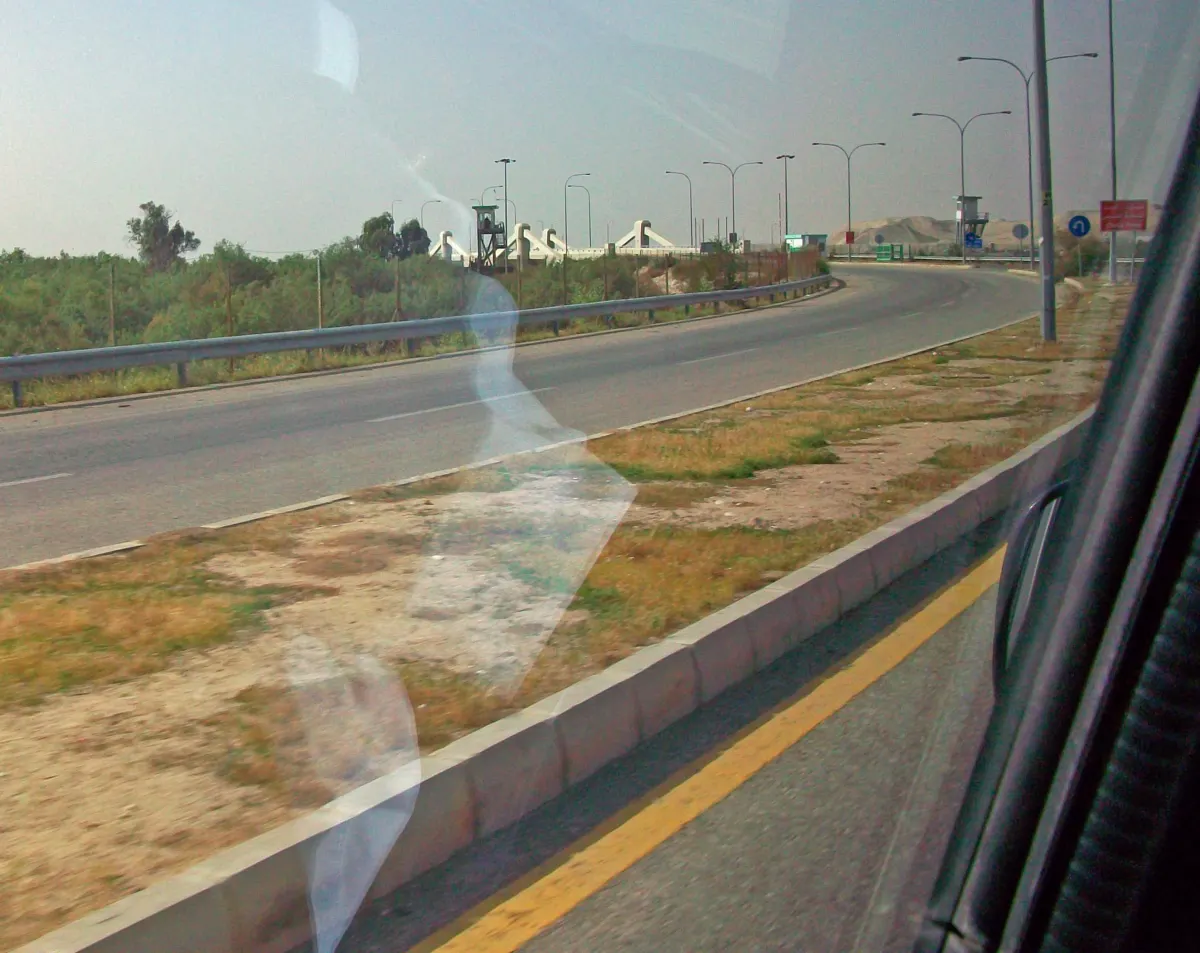
Crossing to and from Israel and the West Bank
There are three crossings, and each works differently. All can close without notice, for hours or days, and have closed repeatedly since 2023, so check that they're open before you set off. They usually open most days from about 8 or 8:30 am, with shorter hours on Fridays, Saturdays and holidays. Photography isn't allowed at any border crossing.
- King Hussein Bridge (the Allenby Bridge), near Jericho, is the closest to Amman and Jerusalem, but it isn't a normal international crossing: you can't get a Jordanian visa on arrival there, so you need a visa in advance to enter Jordan this way. Going the other way, from Jordan into the West Bank, you may need to book a place in advance; the buses across the bridge are run by JETT. There are no private cars or taxis across: you change to the official bus.
- Coming back: if you leave Jordan over the King Hussein Bridge and plan to come back, ask before you go whether your visa will still be valid; the safe choice is a multiple-entry visa from a Jordanian embassy or the Ministry of Interior's e-services site.
- Sheikh Hussein Bridge (the Jordan River crossing), in the north near Beit She'an, is a normal international crossing, with visas on arrival.
- Wadi Araba (Yitzhak Rabin), between Eilat and Aqaba, is the usual way in from Eilat. The Jordan Pass site says visas are issued here, and that the fee is waived for Jordan Pass holders who stay two nights; some nationalities who need a visa in advance can't use it.
- Departure tax: you pay 10 JD in cash when you leave Jordan at a land crossing, on top of Israel's exit fees. Visa fees at land crossings are also cash only, and there may be nowhere to change money, so carry dinars.
- Israeli stamps in your passport don't usually cause problems in Jordan, though they can in some other Arab countries. Israel doesn't stamp passports any more; it issues a slip.
- Read your government's advice for Israel and the West Bank before crossing: see Safety in Israel and Arriving in Israel.
Other ways in
- Aqaba airport (King Hussein International) has some international flights, mostly in winter.
- Ferries link Aqaba with Nuweiba and Taba in Egypt's Sinai.
- Crossings with Saudi Arabia are open, but those with Syria and Iraq aren't for tourists: governments advise against travel near both borders.
Staying longer
- The tourist visa is valid for 3 months; you can extend it online.
- The UK says that visitors who stay more than 14 days must register their address with the police within 14 days of arriving (a rule for entries since 1 October 2025), or face a fine. Ask your hotel, as many register guests for you.
- An HIV test is required for stays of more than 30 days, says the UK.
See also: Getting around Jordan and Money in Jordan.

Comments
No comments yet.