
Hiking in Jordan: the Jordan Trail, Dana to Petra, Wadi Mujib and Wadi Rum
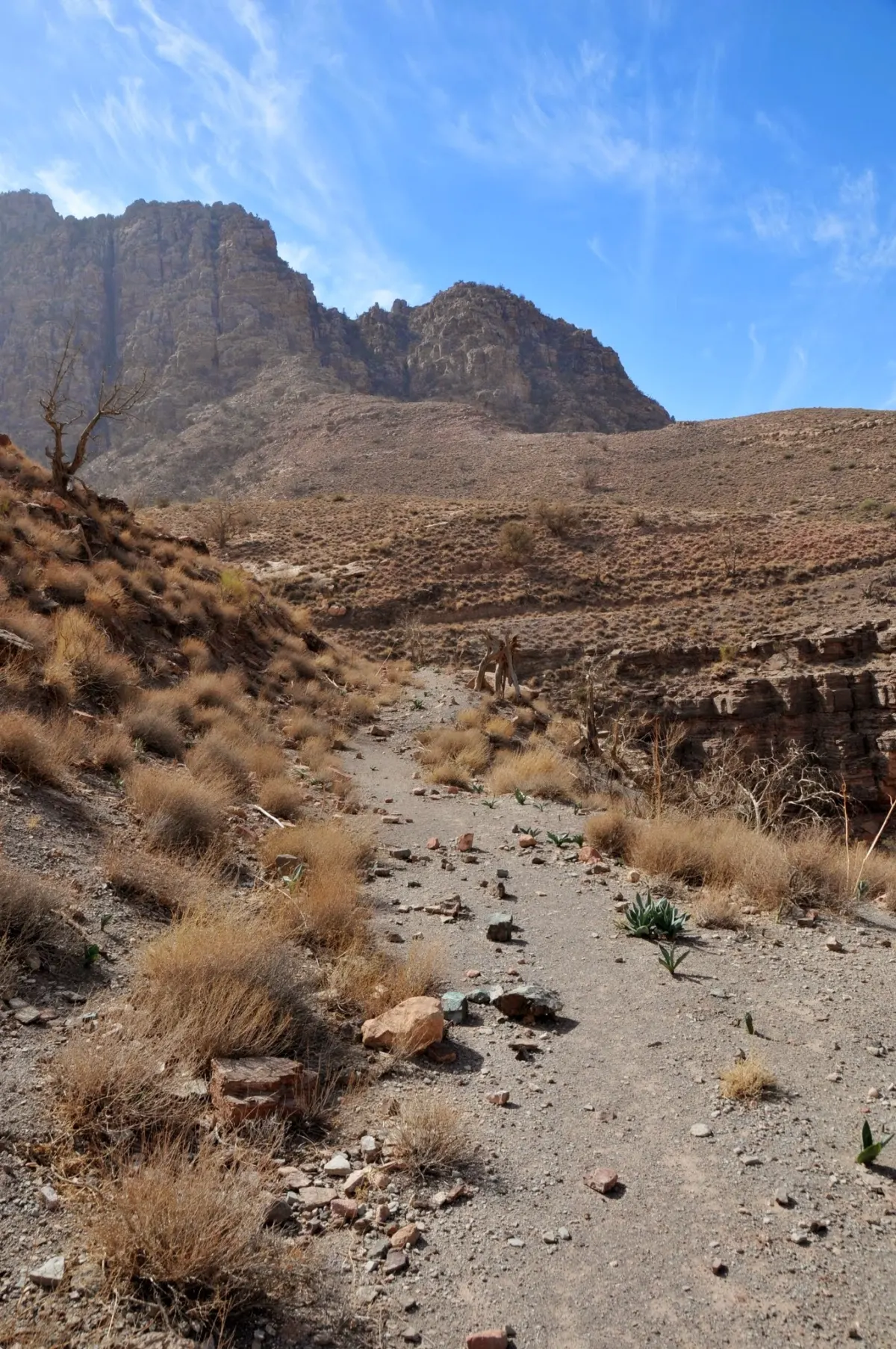
Jordan is one of the best hiking countries in the Middle East: canyons, desert mountains, ancient paths and villages where walkers are still a novelty. You can do anything from a morning's walk in a nature reserve to a six-week trek across the whole country.
The Jordan Trail
- The Jordan Trail runs the length of the country, about 650 km from Umm Qais in the far north, near the borders with Syria and Israel, to Aqaba on the Red Sea. Walking all of it takes around 40 days.
- It's divided into sections, from the green hills and olive groves of the north through the Dead Sea hills and the canyons of the King's Highway to Dana, Petra and the desert of Wadi Rum.
- Most people walk a section of a few days rather than the whole trail. The Jordan Trail Association publishes the route and lists local guides and services, and runs an organised through-hike in some years.
- Much of the trail is unmarked or lightly marked, crosses remote country without water or phone signal, and is hot for much of the year. Hike with a local guide, or at least a GPS track and good navigation skills, and arrange water and food drops.
- The far north of the trail runs near the Syrian border: check your government's advice for the border areas first (see Safety in Jordan).
Dana to Petra
The best-known section of the Jordan Trail is the walk from the village of Dana down into the desert and over the mountains to Petra, usually four or five days, camping or staying in Bedouin camps, and arriving at Petra by the back trail past the Monastery. It's best done with a guide, who will arrange camps, water and luggage transport. It's a hard walk, with long days and steep descents and climbs.
Nature reserves
- Dana Biosphere Reserve: the largest reserve, run by the Royal Society for the Conservation of Nature (RSCN), with trails along the rim and down the valley to Feynan. Some trails need a guide; book through the RSCN.
- Ajloun Forest Reserve: oak and pine woods in the north, with easy to moderate trails, best in spring.
- Wadi Mujib: canyon trails, wading and climbing up rivers, open in the warmer months (usually 1 April to 31 October). See The Dead Sea.
- Check the RSCN website for trails, seasons and prices, which change year to year.
Petra and Wadi Rum
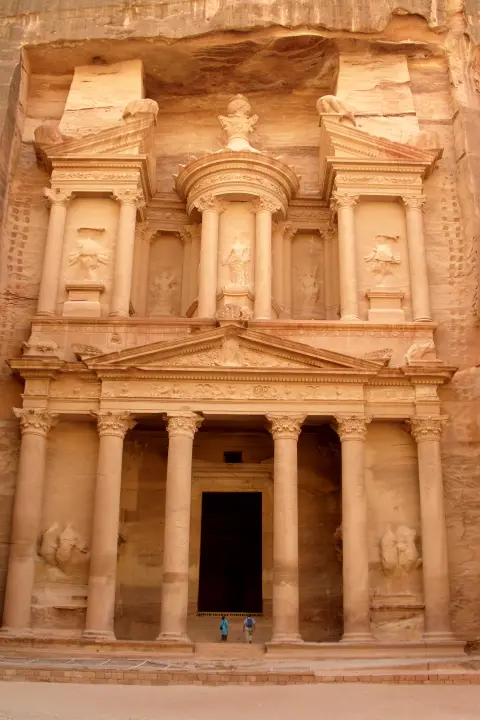
- Petra has many trails beyond the main route: the Monastery, the High Place of Sacrifice, the view above the Treasury, and the climb to Aaron's Tomb on Jebel Haroun (a long day; take a guide). See Visiting Petra.
- In Wadi Rum, you can walk between camps across the sand, and scramble up rock bridges and mountains such as Jebel Burdah. Go with a local guide: routes are hard to find, and rescue is difficult. See Wadi Rum.
When to go
Spring (March to May) and autumn (October and November) are the hiking seasons. Summer is too hot for most trails, except the water trails of Wadi Mujib. Winter brings cold, rain and the risk of flash floods, and snow on the high ground. See Weather in Jordan.
Safety
- Carry at least three litres of water per person for a day, more in heat, and a hat, sunscreen and layers.
- Never enter a wadi or canyon if rain is forecast anywhere upstream: see Health in Jordan.
- Tell someone your route and when you'll be back. Phone coverage is patchy.
- Dress modestly when walking through villages, and ask before camping near homes or on farmland.
- Check your travel insurance covers hiking and, if you need it, rescue.


Comments
No comments yet.