
Wadi Rum: desert camps, jeep tours with Bedouin guides, and what to expect
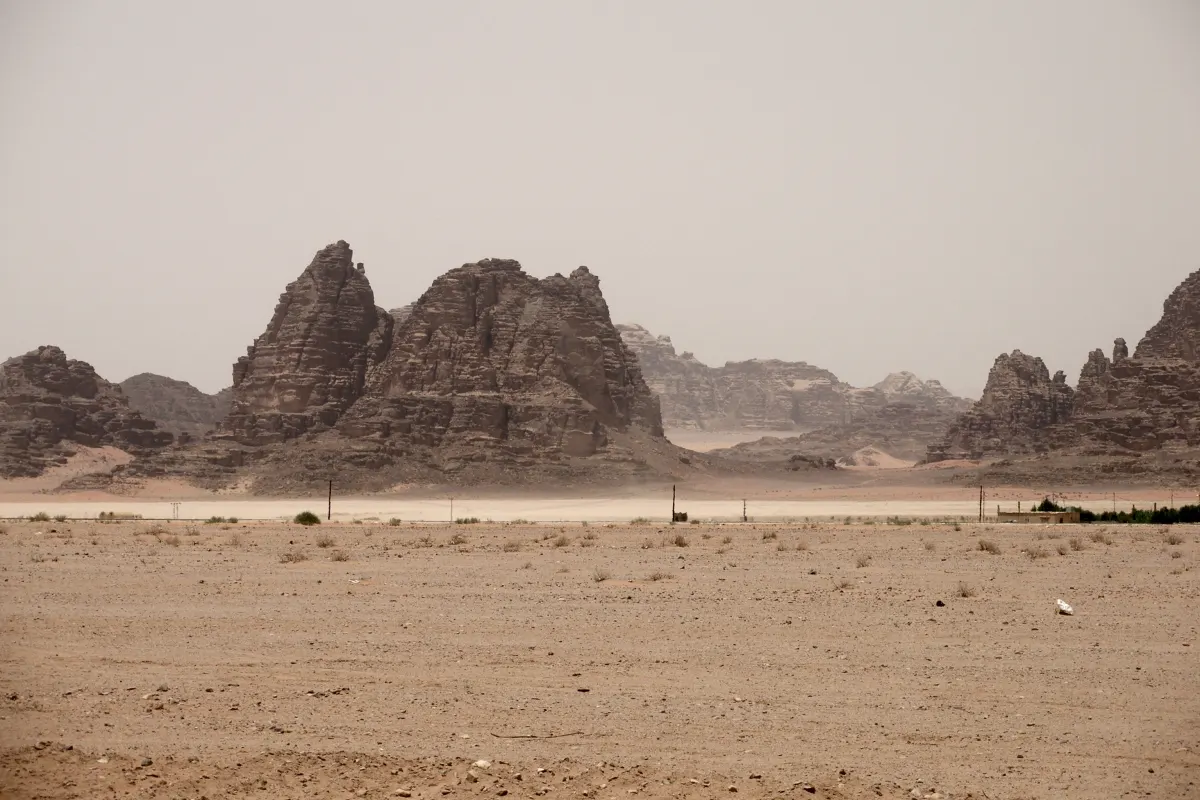
Wadi Rum is a desert of red sand valleys and huge sandstone mountains in the south of Jordan, a protected area and UNESCO World Heritage Site. Most visitors spend a day exploring it by jeep and a night in a Bedouin camp under the stars, and that night is often the highlight of a trip to Jordan.

Natural features
Wadi Rum
Aqaba
A desert valley of red sand and towering sandstone mountains, where Lawrence of Arabia passed and films such as The Martian were shot, a UNESCO World…
Getting in
- All visitors stop at the Wadi Rum Visitor Centre, on the road in, a few kilometres before the village of Rum. Entry costs a few dinars, and is included in the Jordan Pass: show it there.
- Most camps meet you at the Visitor Centre or in Rum village and drive you to the camp in a 4×4: tell them when you'll arrive. You can leave your car at the Visitor Centre or in the village.
- Don't drive into the desert yourself: the tracks are soft sand, there's no phone signal in much of it, and it's easy to get lost or stuck. Local guides know the routes.
- Getting there: Wadi Rum is about an hour from Aqaba and under two hours from Petra by road. There's no regular public transport worth relying on, so most people drive, take a taxi, or arrange a pick-up with their camp. See Getting around Jordan.
Choosing a camp
- There are many camps, from simple Bedouin tents with shared bathrooms to "bubble" domes with a view of the stars from bed. Most include dinner and breakfast, and often a jeep tour.
- Book a camp inside the protected area run by local Bedouin families, through a well-reviewed listing or your hotel, rather than with touts in Wadi Musa or Aqaba who take a large cut. Read recent reviews, and agree in writing what's included (transfers, meals, the tour and how long it lasts).
- Dinner is often zarb, chicken, lamb and vegetables cooked in a pit under the sand. See Jordanian food.
- Camps are built in hollows among the rocks, so at night it's very dark and quiet: bring a torch.
Jeep tours, camels and hikes
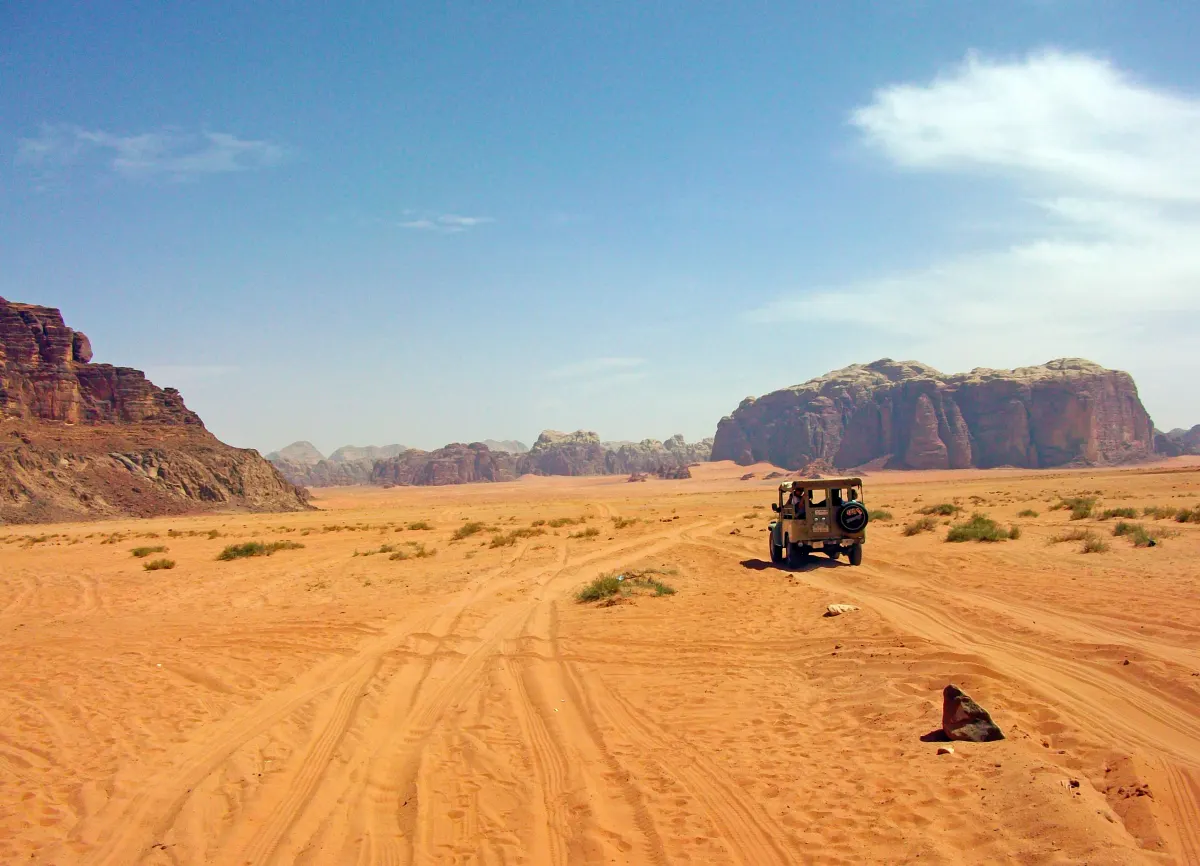
- A jeep tour with a local Bedouin driver-guide is the usual way to see the desert. Half-day and full-day tours visit sand dunes, rock bridges, canyons with Nabataean inscriptions, Lawrence's Spring and a sunset viewpoint. The jeeps are usually open pickups: bring a scarf and sunglasses for the dust.
- Camels: a short camel ride is often offered. As in Petra, check the animal looks healthy and isn't overloaded.
- Hiking and scrambling: the mountains, such as Jebel Burdah with its high rock bridge, have routes ranging from walks to serious scrambles and climbs. Go with a local guide who knows the route; rescue is difficult.
- Hot-air balloon flights and stargazing nights are offered by some operators: check what safety certification they have, and that your insurance covers it.
Weather and what to bring
- Days are hot from May to September; plan walks for early morning and late afternoon.
- Nights are cold for much of the year, and from about November to March they can drop close to freezing. Bring warm layers even if the day is hot; camps give you blankets.
- Bring sunscreen, a hat, a torch, toilet paper and cash (many camps don't take cards, and there are few ATMs nearby).
- Rain is rare, but flash floods are possible in winter.
Respect
- Wadi Rum is home to Bedouin communities: dress modestly in the village, and ask before photographing people.
- Take your rubbish out with you, don't carve or paint on rocks, and keep off the ancient inscriptions.
- Alcohol is available at some camps, not all: ask before you bring your own.
See also: 7 days in Jordan and Weather in Jordan.

Comments
No comments yet.