
Money in Jordan: dinars, cards, ATMs, tipping and what things cost
Jordan's currency is the Jordanian dinar (JD or JOD), divided into 1,000 fils (prices are also given in piastres, or qirsh, of 10 fils). It's tied to the US dollar, at about US$1.41 to the dinar. Jordan is one of the more expensive countries in the region, mostly because of entry fees, hotels and imported goods, though local food is cheap.
Cash and cards
- Cards (Visa and Mastercard) are taken by most hotels, larger restaurants, supermarkets and shops in Amman and Aqaba, and at the Petra Visitor Centre (Visa).
- Cash is needed for taxis, minibuses, small restaurants, markets, tips, many Wadi Rum camps and guides, and visa fees and departure tax at land borders.
- ATMs are easy to find in Amman and the main towns, including Wadi Musa and Aqaba, and at petrol stations on the main roads, but scarce in rural areas and at Wadi Rum. Take out enough before you head into the desert or the hills.
- Small change matters: shops and taxi drivers often can't change 20 or 50 JD notes, so keep coins and small notes.
- Money changers in Amman's downtown and the airport usually give better rates than hotels. US dollars and euros are easy to change.
- You must declare amounts of more than 10,000 JD (or its equivalent) when you arrive.
Tipping
- Restaurants: hotels and smarter restaurants often add a service charge (usually 10%) and tax to the bill. If there's no service charge, leave about 10%. In cheap places, round up or leave the change.
- Taxis: round up the fare.
- Guides and drivers: a tip at the end of a tour is expected if you're happy: a few dinars for a short tour, more for a full day or a driver for several days.
- Hotel porters and housekeeping: a dinar or so.
What things cost
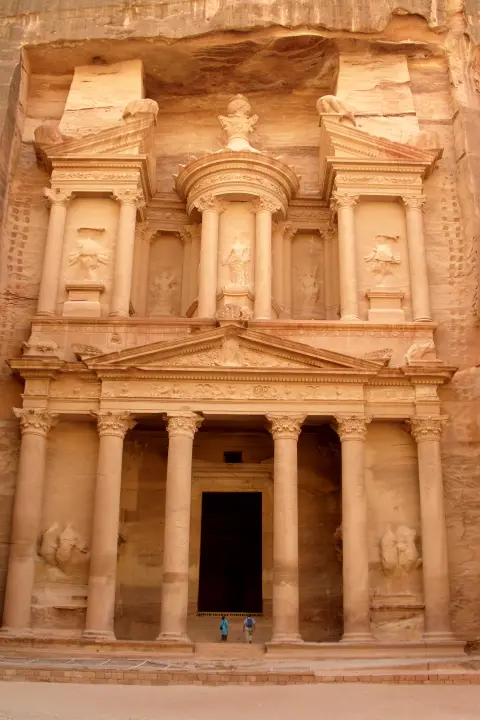
- Entry fees are the big cost: Petra alone is 50 JD for a day. The Jordan Pass saves a lot.
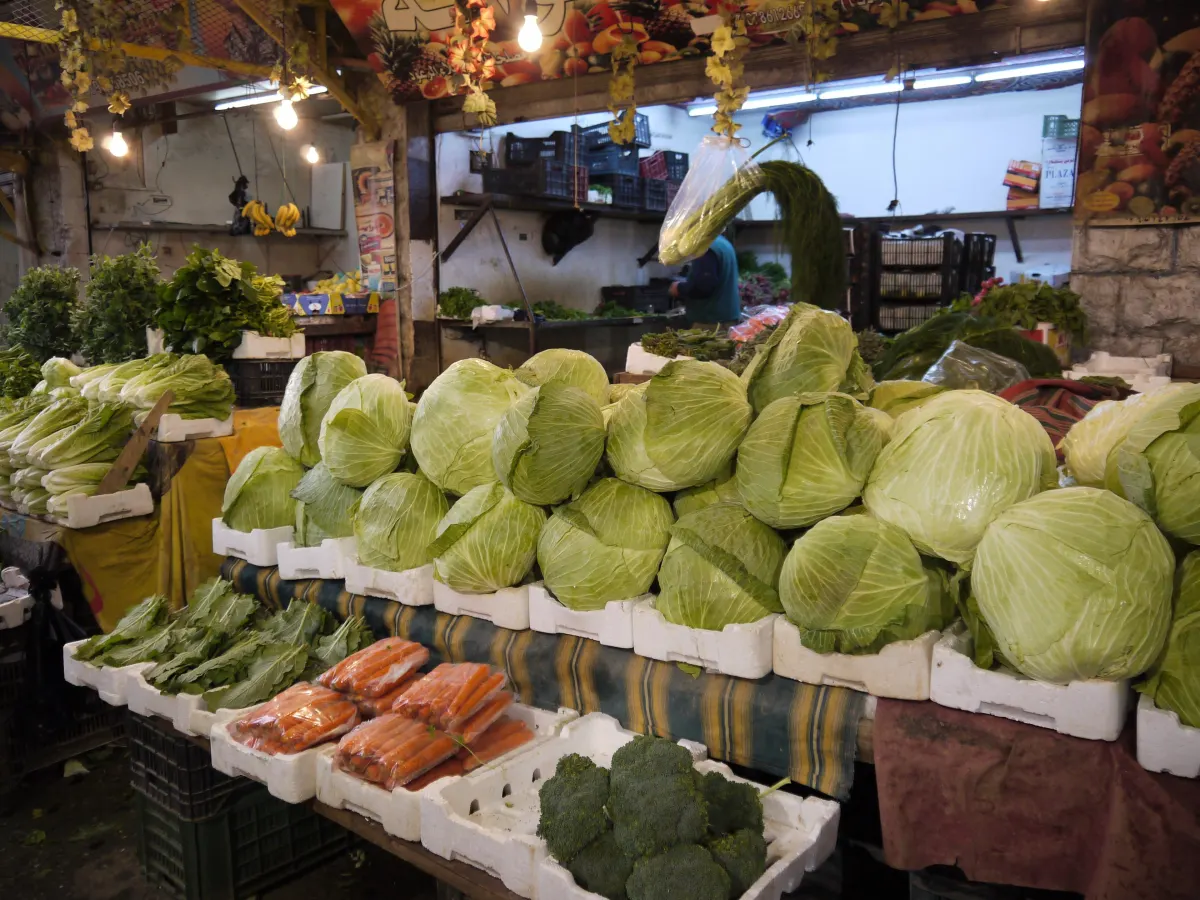
- Food can be very cheap: falafel, hummus and bread in a local restaurant like Hashem in Amman costs a few dinars. Restaurants in hotels and tourist areas cost much more.
- Alcohol is expensive, because of high taxes.
- Hotels are pricier than in Egypt or Turkey; Wadi Musa and Aqaba have a wide range. Prices rise in spring and autumn and around holidays.
- Prices in shops include a sales tax; hotel and restaurant bills may add tax and service on top of the listed price, so check menus for "prices subject to tax and service".
Haggling
In markets and souvenir shops, prices are often negotiable: start well below the first price and stay friendly. Fixed-price shops and supermarkets don't haggle.
See also: Phones and apps for Jordan.
Comments
No comments yet.