
The Dead Sea in Jordan: how to float safely, where to swim, and Wadi Mujib
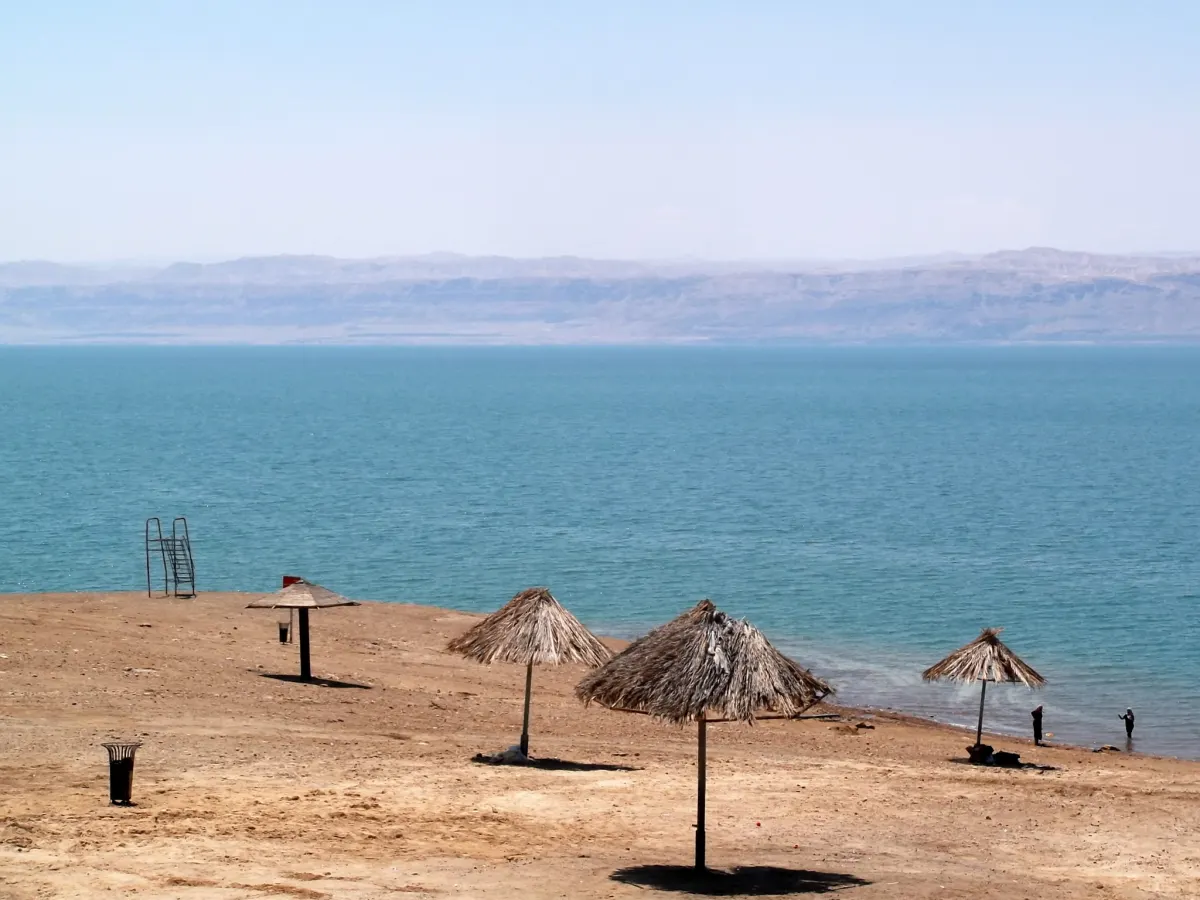
The Dead Sea is the lowest point on land, more than 400 metres below sea level, and its water is so salty that you float without trying. Jordan's shore is less than an hour's drive from Amman, and it's easy to visit for a day or a night on the way south.

Jordanian Dead Sea and Wadi Mujib
The Jordanian shore of the Dead Sea has resort beaches and public beaches for floating.
Where to swim
- Resort hotels: most of the Jordanian shore is lined with resort hotels at Sweimeh, at the north end. Many sell day passes, which include showers, pools, towels and a managed beach, sometimes with lunch. This is the easiest and most comfortable way.
- Public beaches, such as Amman Beach, are cheaper, with showers and changing rooms, but fewer facilities.
- Don't swim from the shore where there are no facilities: you need fresh water to rinse off, and in many places sinkholes have opened as the sea shrinks (by around a metre a year). Swim only where there's a lifeguard.
How to float
- Keep the water out of your eyes and mouth: it stings badly, and swallowing it can be dangerous. Don't splash, don't dive or put your head under, and don't swim on your front.
- Walk in until the water is at your waist, then lean back slowly and lift your feet. To stand up, bring your knees to your chest and push down with your hands.
- If you get water in your eyes, rinse them at once with fresh water (lifeguards have bottles) and don't rub them.
- Stay in for only 10 to 15 minutes at a time, then shower off.
- Don't shave the day before, and keep cuts and grazes out of the water: the salt stings any break in the skin.
- Wear water shoes or sandals: the salt crystals on the bottom are sharp, and the sand is hot.
- The famous mud is sold at the beaches and resorts: cover yourself, let it dry, and wash it off in the sea and the showers.
The heat
Because it's so low, the Dead Sea is much hotter than Amman, and in summer it can be over 40 °C. The air is hazy and the sun is less intense than it feels, but you can still burn, so use sunscreen, drink a lot of water, and visit in the morning or late afternoon. Spring, autumn and winter are the most comfortable seasons. See Weather in Jordan.
Wadi Mujib
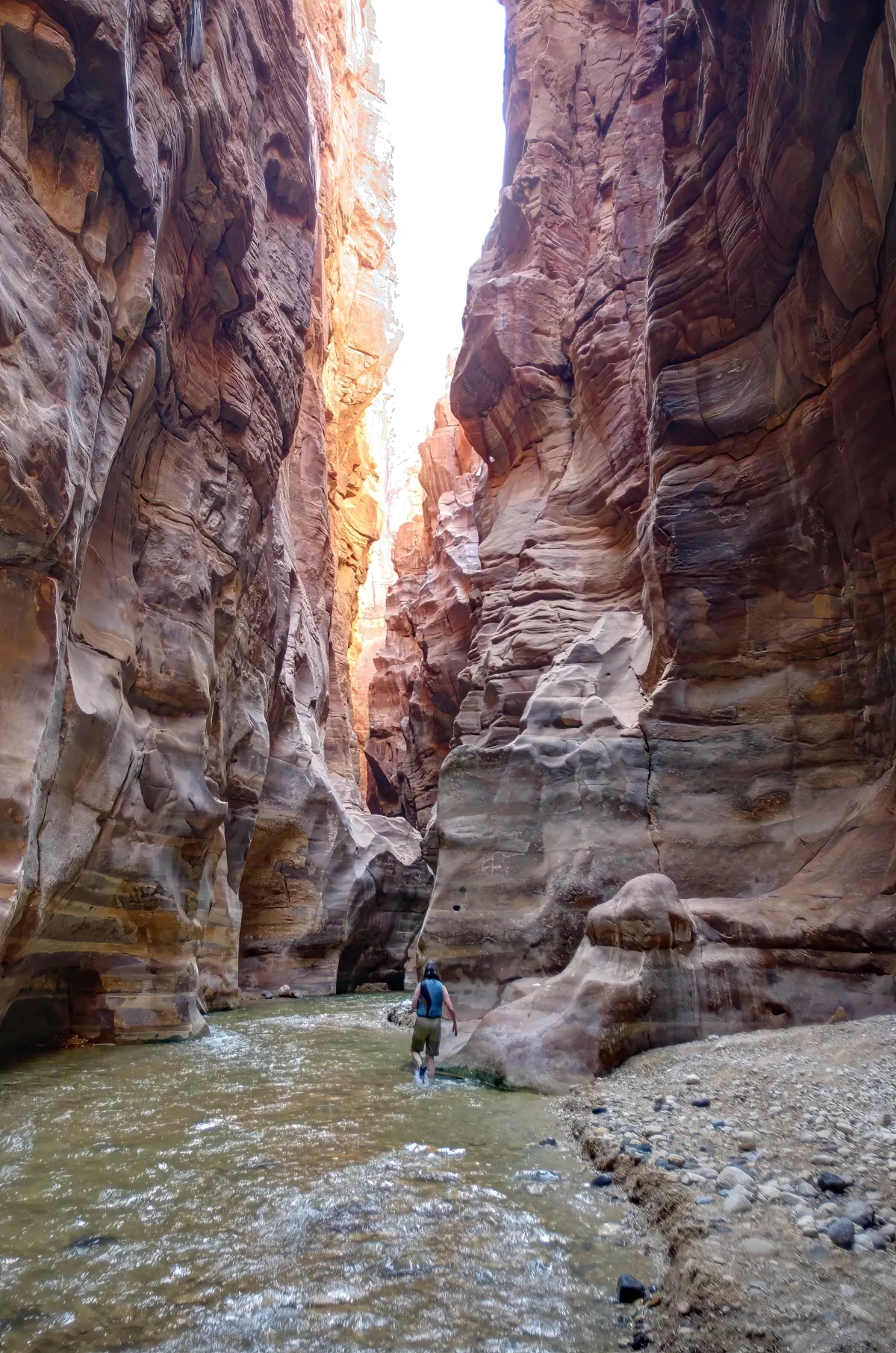
A short drive south along the shore, Wadi Mujib is a deep canyon in the Mujib Biosphere Reserve, run by the Royal Society for the Conservation of Nature (RSCN). Its Siq Trail is a wet walk upstream through a narrow gorge, wading, swimming and climbing up small waterfalls with ropes, to a larger waterfall.
- The Siq Trail is usually open only from 1 April to 31 October, and closes when it rains or the water is high, because of the danger of flash floods. Check with the RSCN on the day.
- It's self-guided, with life jackets provided, but you'll get wet to the chest or more: wear clothes that can get wet and shoes with grip that stay on your feet, and keep your phone in a waterproof bag. Guided canyon trails go deeper into the reserve.
- It's not for people who can't swim or are nervous of water.
Nearby
- Bethany Beyond the Jordan, the Baptism Site, where tradition says Jesus was baptised, is just north of the resorts. It's visited on guided tours from the visitor centre; it isn't in the standard Jordan Pass.
- Mount Nebo and Madaba are on the road up to Amman, and make an easy day with the Dead Sea.
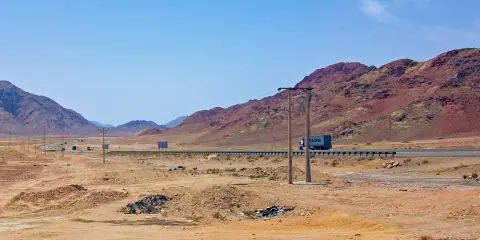
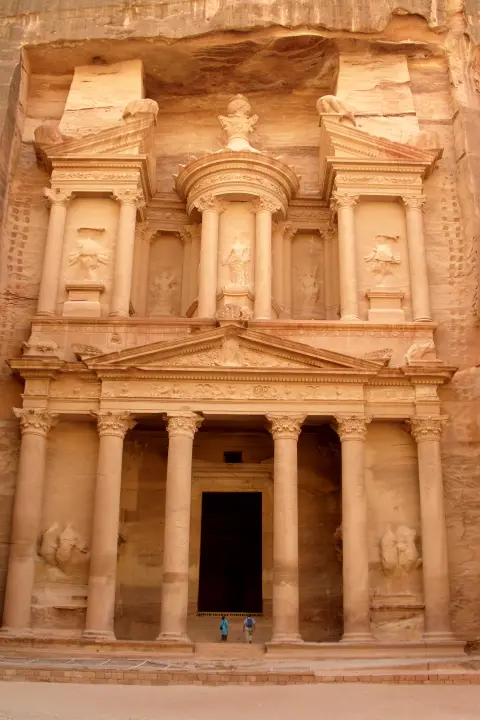
- The Dead Sea Highway continues south past Mujib, and you can drive on to Kerak or Petra. Fill up with fuel first, and avoid it at night.
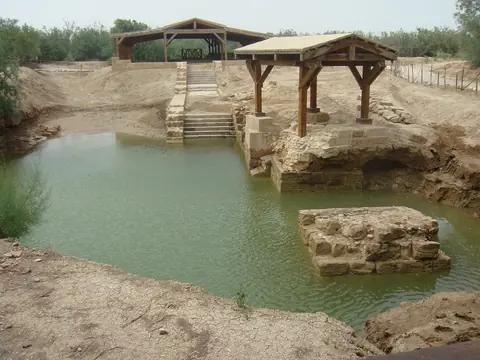
Bethany Beyond the Jordan (Baptism Site)
The site where John the Baptist is believed to have baptised Jesus, a World Heritage site on the east bank of the Jordan River.
See also: Health in Jordan and 7 days in Jordan.

Comments
No comments yet.