
Health in Jordan: heat, water, the desert, flash floods and medical care
Jordan is a healthy country to travel in, and the main risks come from the climate: heat, sun and dehydration in summer, cold and flash floods in winter. Check your vaccinations with a travel clinic at least eight weeks before you go, and take out travel insurance that covers medical evacuation.
Heat and sun
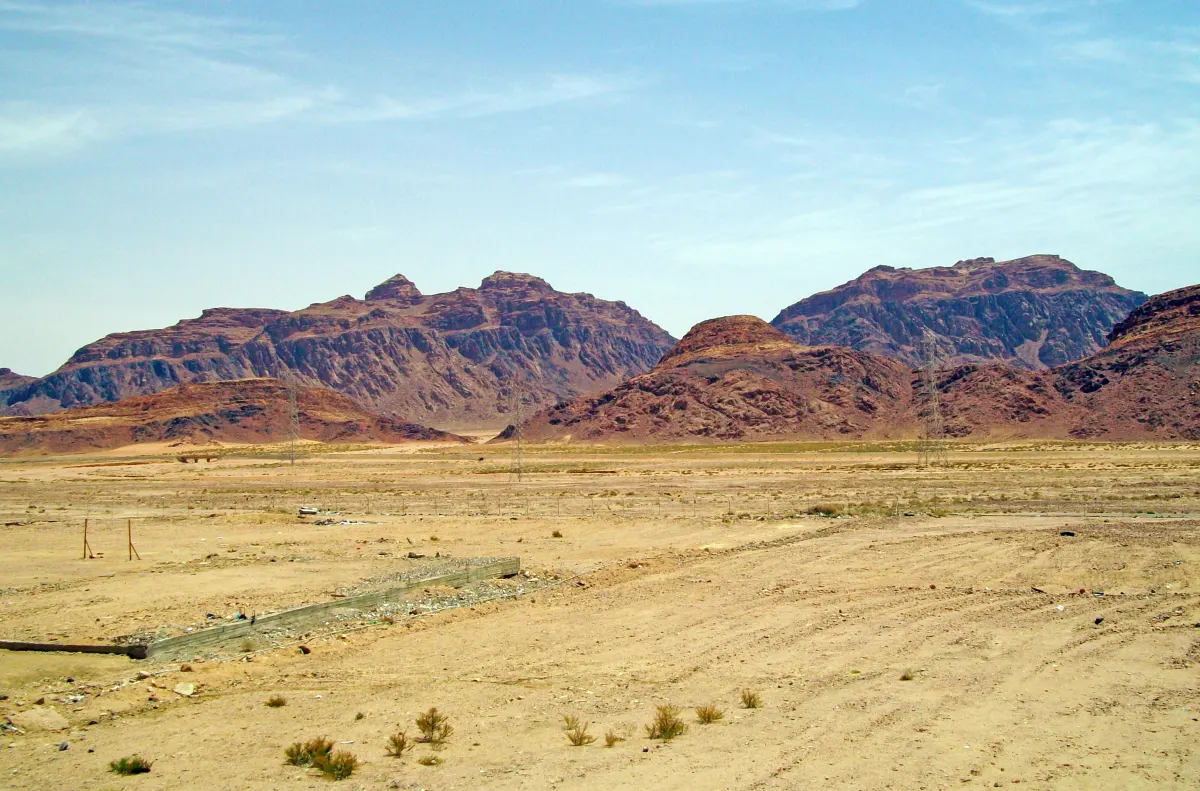
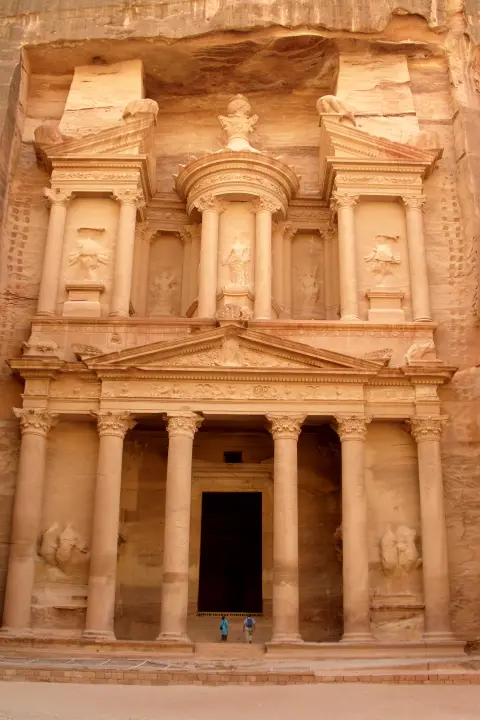
- From May to September, it's hot in Petra and very hot at the Dead Sea, in the Jordan Valley, at Wadi Rum and in Aqaba, often over 40 °C. Petra and Wadi Rum involve hours of walking with little shade.
- Drink before you're thirsty, and carry more water than you think you'll need: two or three litres for a day in Petra. Oral rehydration salts help if you sweat a lot.
- Start early, rest in the middle of the day, and wear a wide-brimmed hat, sunglasses, sunscreen and loose clothes that cover your skin.
- Signs of heat exhaustion include headache, dizziness, nausea and cramps: stop, get into shade, cool down and drink. Confusion, or hot dry skin, means heatstroke, which is an emergency: call 911.
- Desert nights are cold in winter, so bring layers.
Water and food
- Tap water is treated in the cities, but most visitors (and many Jordanians) drink bottled or filtered water; Australia's advice is to drink only boiled or bottled water. Refill bottles where hotels have filtered water.
- Food is generally safe; stomach upsets are usually mild. Eat freshly cooked food, wash your hands, and peel fruit. Carry rehydration salts.
Flash floods and hiking
- From November to March, sudden rain can send flash floods through wadis and canyons, including Petra's Siq and Wadi Mujib, even if it isn't raining where you are. Check the forecast, don't enter a wadi for at least a day after heavy rain, and if water rises, climb to high ground at once. Don't try to cross flowing water, on foot or in a car.
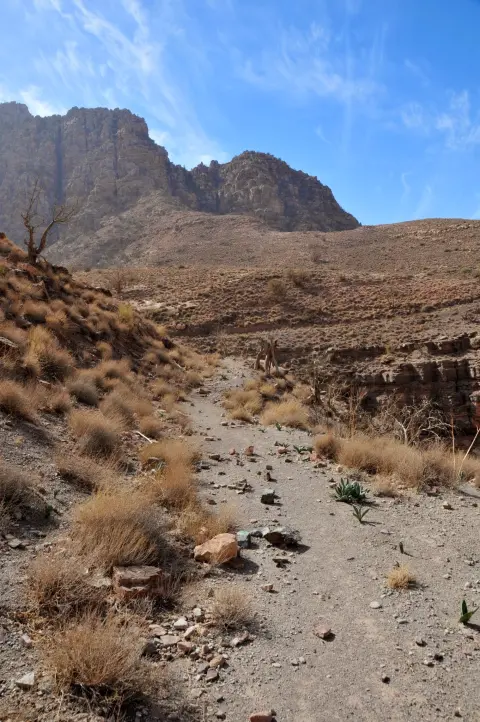
- Hike with a local guide on remote trails, tell someone your plans, and carry water, food and a charged phone. See Hiking in Jordan.
- Dust and sand storms can blow up quickly, cutting visibility on the roads and affecting people with asthma.
Animals and other risks
- MERS, a serious respiratory virus, has been linked to camels in the region. Wash your hands after touching camels, and don't drink raw camel milk.
- Avoid stray dogs and cats; rabies exists in Jordan. If you're bitten or scratched, wash the wound well and get medical help the same day.
- Use insect repellent in the Jordan Valley and at dusk; sandflies are found in some areas.
- Don't swim in fresh water in the Jordan Valley: the UK mentions schistosomiasis (bilharzia) in the region.
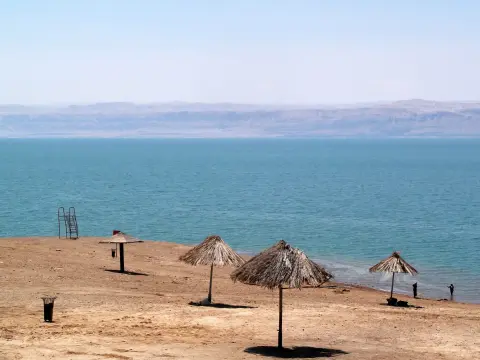
- At the Dead Sea, keep the water out of your eyes and mouth: see The Dead Sea.
Medical care
- Amman has excellent private hospitals, and people come from across the region for treatment there. Aqaba has decent facilities. Elsewhere, care is basic, and in an emergency you'd be taken to Amman or Aqaba.
- Private hospitals expect payment or a guarantee from your insurer before treatment, so carry your insurance details and call the insurer's emergency line early.
- Pharmacies are everywhere, and pharmacists often speak English and can advise on minor problems. Bring enough of your own medicines, in their original packaging, with a copy of the prescription; check that they're legal in Jordan.
- Emergency number: 911.
See also: Weather in Jordan and Safety in Jordan.
Comments
No comments yet.