
Arriving in Israel: the ETA-IL, airport security questions, entry slips and land borders
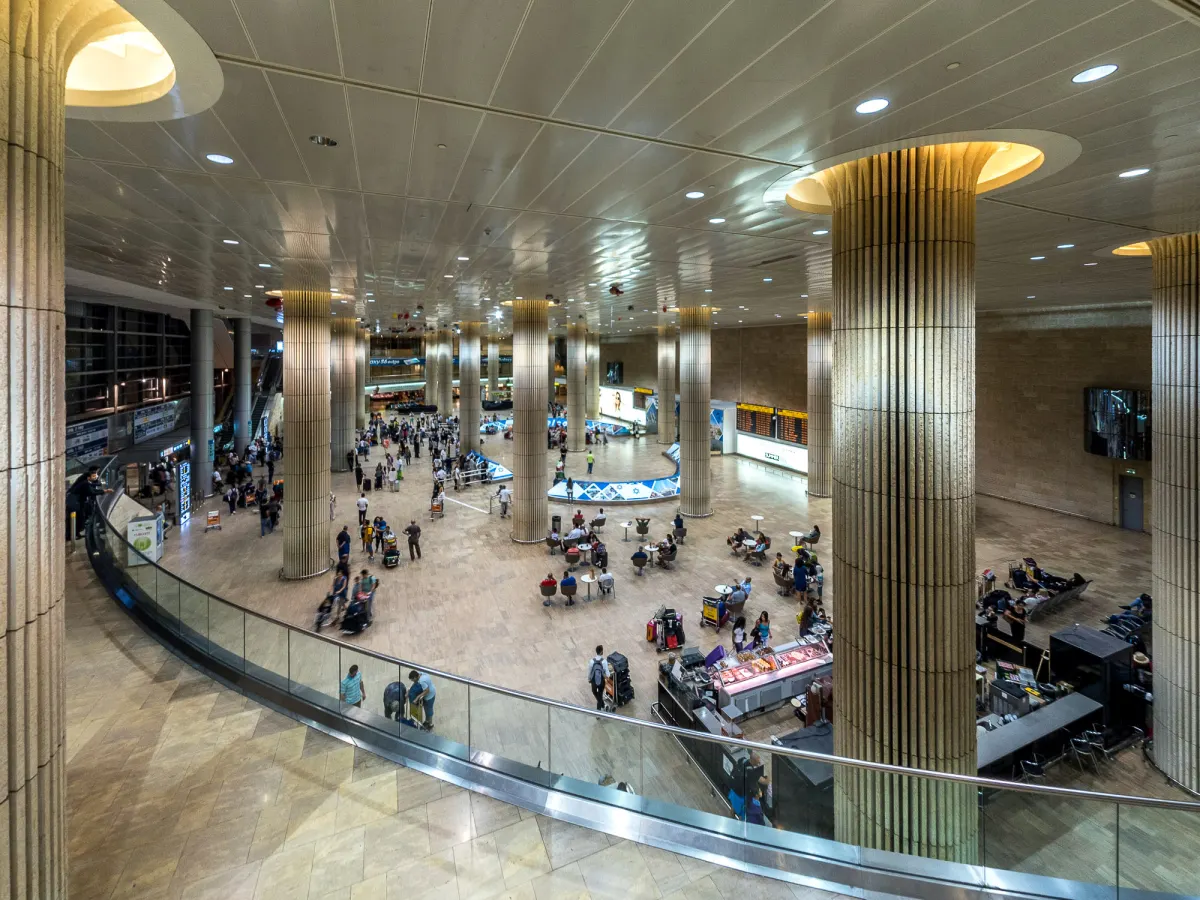
Most visitors to Israel don't need a visa, but since 1 January 2025 they do need an ETA-IL, an Electronic Travel Authorization, which you apply for online before you fly. Expect more security questions at the airport than in most countries, both when you arrive and when you leave.
Before you book, read your government's current travel advice for Israel and for the Palestinian territories: see Safety in Israel.
The ETA-IL
- If your passport is from a country whose citizens don't need a visa for Israel (including the UK, the USA, Canada, Australia, New Zealand and the EU countries), you need an ETA-IL before you travel. If you need a visa, you apply for that at an Israeli embassy or consulate instead, and don't need an ETA-IL.
- Apply on the official site, israel-entry.piba.gov.il, run by the Population and Immigration Authority. At the time of writing it costs 25 shekels (about US$7). Other websites that look official charge much more for the same form: the official address ends in gov.il.
- An approved ETA-IL is valid for up to two years, or until your passport expires if that's sooner, for visits of up to 90 days each. Apply well before you fly: airlines can check it before you board.
- Children need their own ETA-IL.
Your passport
- The UK government says your passport must be valid for at least 90 days after the day you arrive. The rule can differ by nationality, so check your own government's advice and with your airline.
- Most visitors get permission to stay for up to three months.
- Israel doesn't let in anyone who has been in the Democratic Republic of the Congo, South Sudan or Uganda in the 21 days before arriving (Australian government advice, October 2026).
- If you have, or have had, a Palestinian ID card, or one of your parents is Israeli, different rules apply to you: read your government's advice on dual nationals before you book.
Arriving at Ben Gurion airport
Most visitors fly into Ben Gurion airport, about 20 km southeast of Tel Aviv, with trains to Tel Aviv and Jerusalem (see Getting around Israel). Ramon airport, north of Eilat, has some international flights too.
- Questions: border officers ask why you're visiting, where you're staying and who you know, and you may be taken aside for longer questioning and a search of your bags. The UK government says this is more likely if you have Palestinian or Arab ancestry or have publicly criticised Israel, and that officers may ask to see your social media. Answer calmly and honestly, and have your accommodation details and return ticket to hand.
- Israel can refuse entry to foreign nationals for calling for a boycott of Israel, among other reasons. People refused entry are usually put on the next flight back with the same airline, and may be held at a detention centre near the airport until then.
- No stamp: at Ben Gurion you get a small entry slip (a printed card with your photo) instead of a passport stamp. At land borders you may get a slip or a stamp. Keep the slip with your passport until you leave. Hotels usually ask to see it, as foreign tourists don't pay VAT on hotel rooms, and you need it at checkpoints into the West Bank.
- Some travellers have been given a restricted entry permit, marked for example "Palestinian Authority only", or asked to sign a form promising not to enter Palestinian Authority areas without permission. The UK government says breaking such a condition can mean deportation and a ban of up to 10 years.
Leaving
- There's a security interview and bag check before check-in when you leave Ben Gurion too, so allow plenty of time: airlines usually ask you to be at the airport three hours before an international flight.
- Flights can be cancelled or delayed at short notice because of the regional conflict, and the airspace has closed several times. Check your flight on the Israel Airports Authority's Ben Gurion flight board or with your airline before you set off.
- To claim back VAT on shopping, see Money in Israel.
Land borders
- Jordan: there are three crossings, the Allenby / King Hussein Bridge near Jericho, the Jordan River / Sheikh Hussein crossing in the north, and the Yitzhak Rabin / Wadi Araba crossing near Eilat. All can close or change their hours at short notice, including for strikes and holidays, so check before you go: the Israel Airports Authority, which runs them, posts updates on its site. Not every crossing issues Jordanian visas on arrival, so check what you need for Jordan too.
- Egypt: the Taba crossing near Eilat was open at the time of writing. The UK government says its fees have risen at short notice since March 2026.
- Most land crossings close on Yom Kippur and on some other Jewish and Muslim holidays: see Shabbat and holidays.
What you can bring in
- Declare cash and other money worth US$10,000 or more when you arrive or leave (Australian government advice). Not declaring it can mean a fine or arrest.
- Don't carry drugs: penalties are severe.
See also: Safety in Israel, Phones and apps and Money in Israel.


Comments
No comments yet.