
Shabbat and holidays in Israel: what closes, what runs, and the dates for 2027
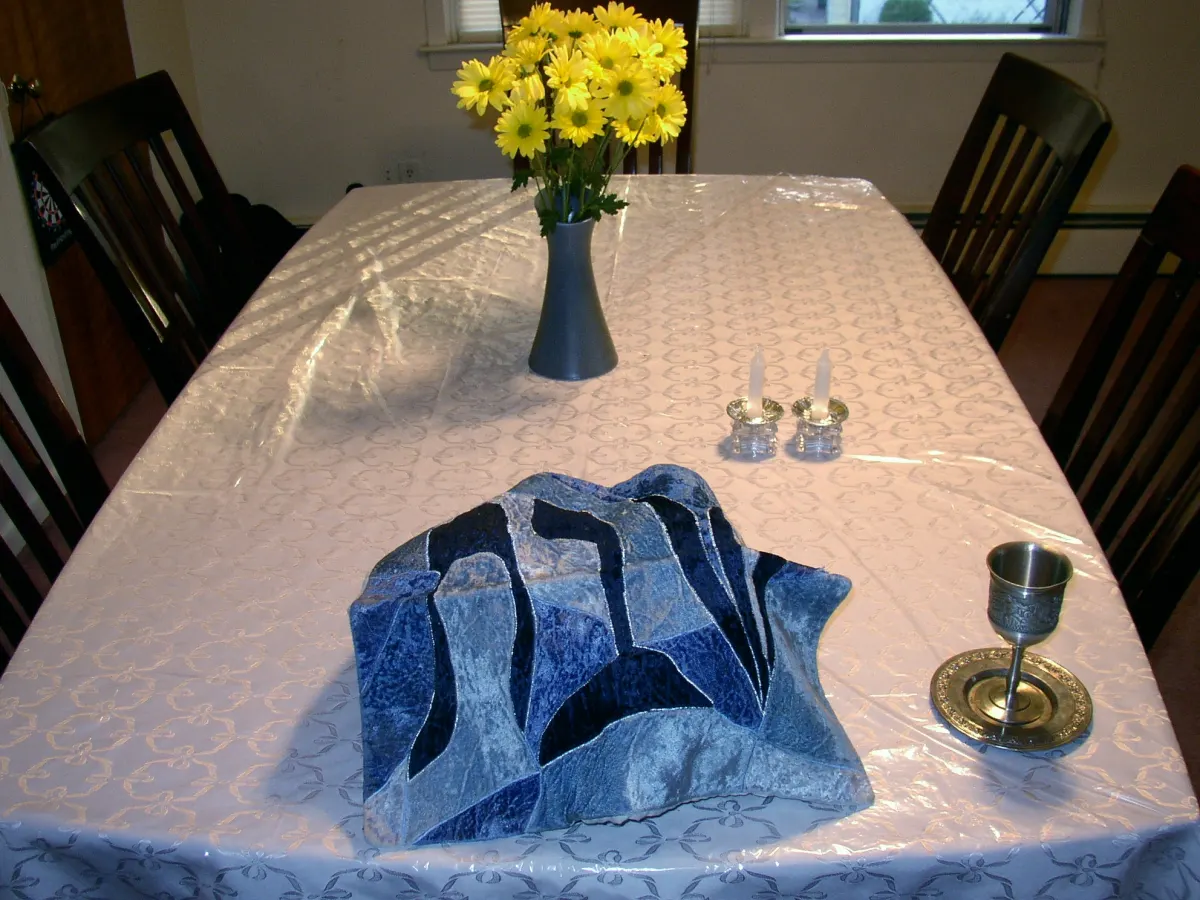
The Israeli weekend is Friday and Saturday, and Sunday is a working day. Shabbat, the Jewish day of rest, runs from sunset on Friday until dark on Saturday, and changes the whole country, more in some places than others.
What closes on Shabbat
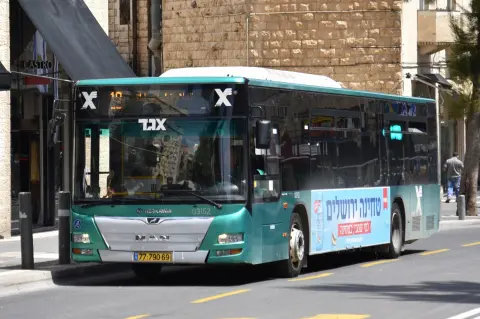
- Trains, most buses and the light rail stop from Friday afternoon until Saturday night. Sheruts, taxis and rental cars keep going: see Getting around.
- Most shops, offices and many restaurants close from Friday afternoon. Friday mornings are busy, with markets such as Mahane Yehuda at their liveliest before closing.
- Kosher restaurants close for Shabbat, and kosher hotels serve food that was cooked before it began. Many hotels have a Shabbat lift that stops at every floor automatically.
- Some museums and sights close or have shorter hours on Friday afternoons and Saturdays, though national parks and nature reserves are usually open, and very busy, on Saturdays.
- Jerusalem's big museums, such as the Israel Museum and the Tower of David, have their own Friday and Saturday hours: check before you go.
Where it's different
- Jerusalem is quiet on Shabbat in the Jewish parts of the city, but the Old City's Muslim and Christian Quarters and Arab East Jerusalem stay open, with Muslim businesses closing on Friday and Christian ones on Sunday.
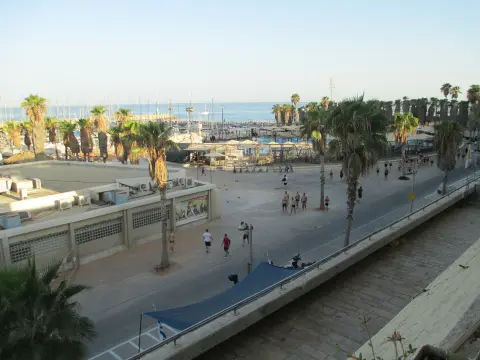
- Tel Aviv is much less quiet: many cafés, bars, restaurants and shops stay open, and the beaches are full on Saturdays.
- Arab towns such as Nazareth, and Haifa, Akko and Jaffa, are open as usual.
Being respectful
- In ultra-Orthodox neighbourhoods such as Jerusalem's Mea Shearim, don't drive, smoke, use your phone or take photos on Shabbat, and dress modestly at any time: signs at the entrances ask for covered shoulders and knees and long skirts for women. Cars driven in there on Shabbat have been stoned.
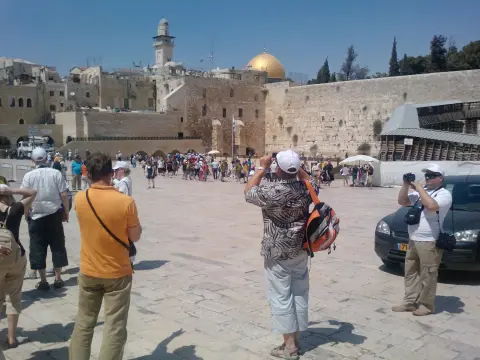
- At the Western Wall, photos and phones aren't allowed on Shabbat or Jewish holidays.
- "Shabbat shalom" is the greeting from Friday afternoon on.
Jewish holidays
Major holidays are like Shabbat, whatever the day of the week: transport stops, and most things close. Many Israelis travel around the country during Passover and Sukkot, so hotels, campsites and national parks fill up and prices rise. Book well ahead. Holidays start at sunset the evening before. In Israel, the dates for 2027 are:
- Passover (Pesach): 21 April (evening) to 28 April 2027. The first and last days are full holidays. All week, bread and other leavened food are hard to find in Jewish areas, and kosher hotels serve matzah instead.
- Holocaust Remembrance Day (Yom HaShoah) and Memorial Day (Yom HaZikaron), in April or May: sirens sound across the country, and traffic stops while people stand still. Stand quietly too. Independence Day follows Memorial Day, with fireworks and parties.
- Rosh Hashanah, the Jewish New Year: 1 October (evening) to 3 October 2027.
- Yom Kippur: 10 October (evening) to 11 October 2027. The whole country stops for about 25 hours: no flights at Ben Gurion, no public transport, shops, restaurants and television, and almost no cars on the roads, which fill with children on bikes. Land borders close. Stock up on food before, and expect hotels to serve only cold food.
- Sukkot: 15 October (evening) to 23 October 2027, with the first and last days as full holidays.
Hebrew calendar dates move each year against the western calendar: hebcal.com has them for any year (choose Israel, as some holidays are a day shorter there than elsewhere).
Muslim and Christian holidays
- Ramadan is expected from about 7 or 8 February to 8 or 9 March 2027 (it depends on the moon). Muslim areas are quiet in the day and busy after sunset, when the Old City is full until late. Visits to the Temple Mount can be restricted or closed, and the Old City is often tense, particularly on Fridays: see Safety.
- Christmas in Bethlehem and Easter in Jerusalem draw big crowds. In 2027, western Easter is on 28 March and Orthodox Easter on 2 May. The Church of the Holy Sepulchre is packed for both, with long queues and closed streets.
See also: Visiting holy sites.
Comments
No comments yet.