
Getting around Israel: trains, buses, Rav-Kav, sheruts, taxis and driving, and Shabbat timetables
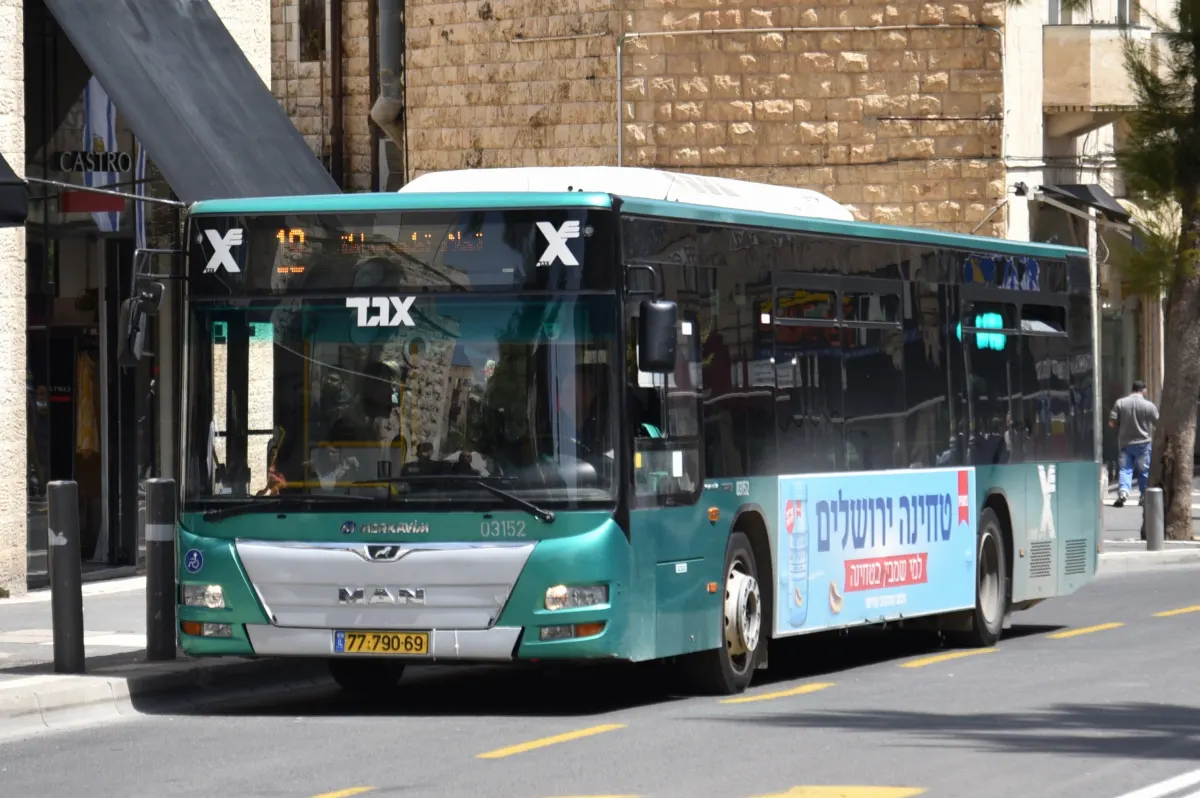
Israel is small: Tel Aviv to Jerusalem is about an hour, and you can drive from the Sea of Galilee to Eilat in a day. Public transport is good and cheap, but almost all of it stops for Shabbat, from Friday afternoon until Saturday night, and on Jewish holidays, so plan around that.
Trains
- Israel Railways (rail.co.il) runs along the coast from Nahariya and Haifa through Tel Aviv to Ashkelon and Beersheba, and on a fast line from Ben Gurion airport to Tel Aviv and to Jerusalem's Yitzhak Navon station, deep underground near the central bus station.
- Trains don't run from Friday afternoon until Saturday evening, or on Jewish holidays. The last trains on Friday leave early in the afternoon, and the first on Saturday after dark.
- Pay with a Rav-Kav card (below) or in the Rav-Kav Online app. Trains are busy at rush hour and on Sundays and Thursdays, when soldiers travel to and from their bases.
Buses
- Buses go almost everywhere, run by Egged and several other companies. Most don't run on Shabbat, except in Arab towns and East Jerusalem, and some weekend lines in and around Tel Aviv.
- Buses to Eilat often fill up, so book a seat ahead, particularly on Thursdays, Sundays and holidays.
- Arab East Jerusalem has its own bus companies, from stations near Damascus Gate, which go to Bethlehem, Ramallah and other West Bank towns (see Safety first).

The Rav-Kav card and apps
- The Rav-Kav is the smartcard for buses, trains and light rail all over the country. Get an anonymous one at a train station or bus station, top it up at machines, and tap it on the reader when you board. Some buses take bank cards too, but don't count on it.
- You can also pay with an app instead of a card: the Rav-Kav Online app and Moovit both let you buy tickets and show you on the bus. Moovit, which is Israeli, is also the best app for routes and real-time bus times.
- The light rail in Jerusalem (along Jaffa Road past the Old City and Mahane Yehuda market) and in Tel Aviv uses the same cards and apps.
Sheruts and taxis
- Sheruts are shared minibuses that follow fixed routes, set off when they're full, and stop where you ask. Some run on Shabbat, between Tel Aviv and Jerusalem, and along the main routes in Tel Aviv, which makes them the only public transport at weekends.
- Taxis: ask the driver to use the meter (moneh), as the law requires, or agree the price before you set off. Fares are higher at night and on Shabbat. The Gett app books licensed taxis in the cities, with the fare paid on your card.
Driving
- Driving is on the right. A car is the easiest way to see the Galilee, the Dead Sea and the Negev, where buses are few. Many foreign licences are accepted for short visits, but check with the rental company.
- Waze was made in Israel and is used by most drivers. But GPS jamming is common, particularly in the north and around Tel Aviv, and can put you far from where you are, so know your route before you set off and follow the road signs, which are in Hebrew, Arabic and English.
- Highway 6, the north–south toll road, has no toll booths: cameras read your number plate and the bill goes to your rental company, which adds a fee.
- Rental cars aren't usually insured in the West Bank, apart from the main roads through it, and some routes there aren't safe: check your government's advice.
- Roads are busy, and driving can be aggressive. In the desert, carry water and don't drive through flooded wadis after rain.
See also: Shabbat and holidays and Phones and apps.

Comments
No comments yet.