
Weather in Israel: hot summers, wet winters, and the best time to go
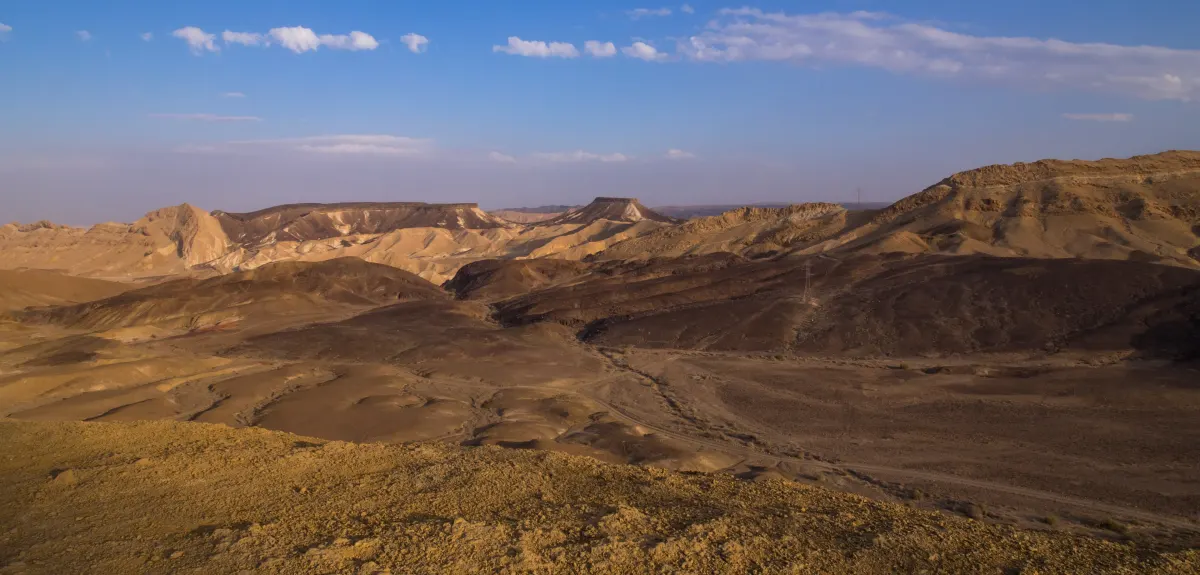
Israel has a Mediterranean climate: hot, dry summers with no rain at all from about May to September, and mild, wet winters, with most of the rain from November to March. But it changes a lot over short distances, from the green north to the desert south, and from the coast up to Jerusalem.
The best time to go
- Spring (March to May) and autumn (October and November) are best for most of the country: warm, mostly dry, and good for walking. Spring brings wildflowers in the north and the desert after the winter rains.
- Remember the holidays: the busy, expensive Passover week falls in spring, and the autumn holidays in September or October. See Shabbat and holidays.
- Winter is the best time for the Dead Sea, the Negev and Eilat, which are warm and sunny when the north is cool and rainy.
- Summer is beach season on the Mediterranean coast and in Eilat, but hard going for sightseeing and hiking.
Region by region
- The coast (Tel Aviv, Haifa, Caesarea, Akko): hot and humid in summer, at around 30°C with sticky nights. Mild in winter, with heavy showers and the odd storm.
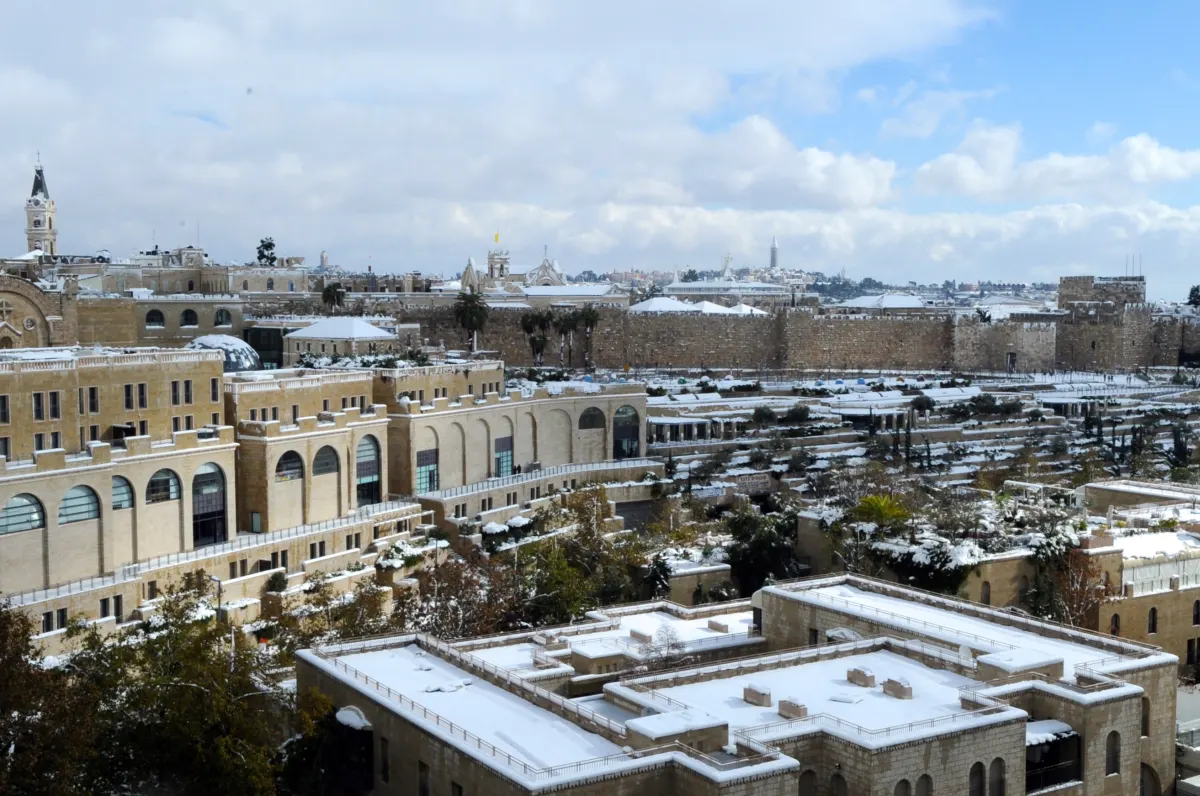
- Jerusalem, about 800 metres up: dry, and less humid in summer, with cool evenings. Winter is cold and wet, with nights near freezing, and every few years it snows, which can close roads into the city. Take a warm layer from November to March.
- The Galilee and the Golan: green, with the most rain in winter, and snow on the highest ground. The Sea of Galilee, below sea level, is very hot in summer.
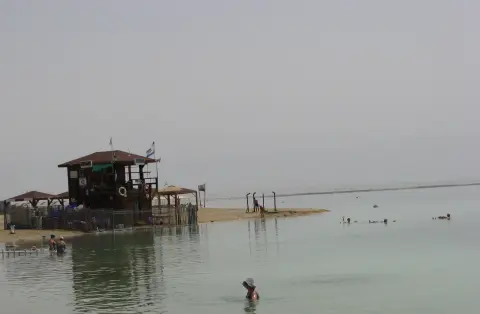
- The Dead Sea and the Jordan Valley, the lowest land on earth: extremely hot in summer (often over 40°C), and warm and dry in winter.
- The Negev and Eilat: desert, with almost no rain. Eilat is hot from April to October, and warm and sunny in winter. Desert nights are cold in winter, particularly at Mitzpe Ramon above Makhtesh Ramon, and at Timna.
Weather to watch for
- Heat waves (sharav or hamsin) bring hot, dry desert air and dust, mostly in spring and autumn, with temperatures 10°C or more above normal for a few days.
- Flash floods in the desert after winter rain: see Health and heat.
- Winter storms bring strong winds and big waves on the coast, and occasionally snow to Jerusalem and the Golan.
- The Israel Meteorological Service, ims.gov.il, has forecasts and warnings in English.
Divers and snorkellers: the Red Sea at Eilat's Coral Beach is warm enough all year, at roughly 21°C in winter and 27°C in summer.
See also: Health in Israel.


Comments
No comments yet.