
Visiting holy sites in Jerusalem and Israel: dress, the Western Wall, the Temple Mount and the churches
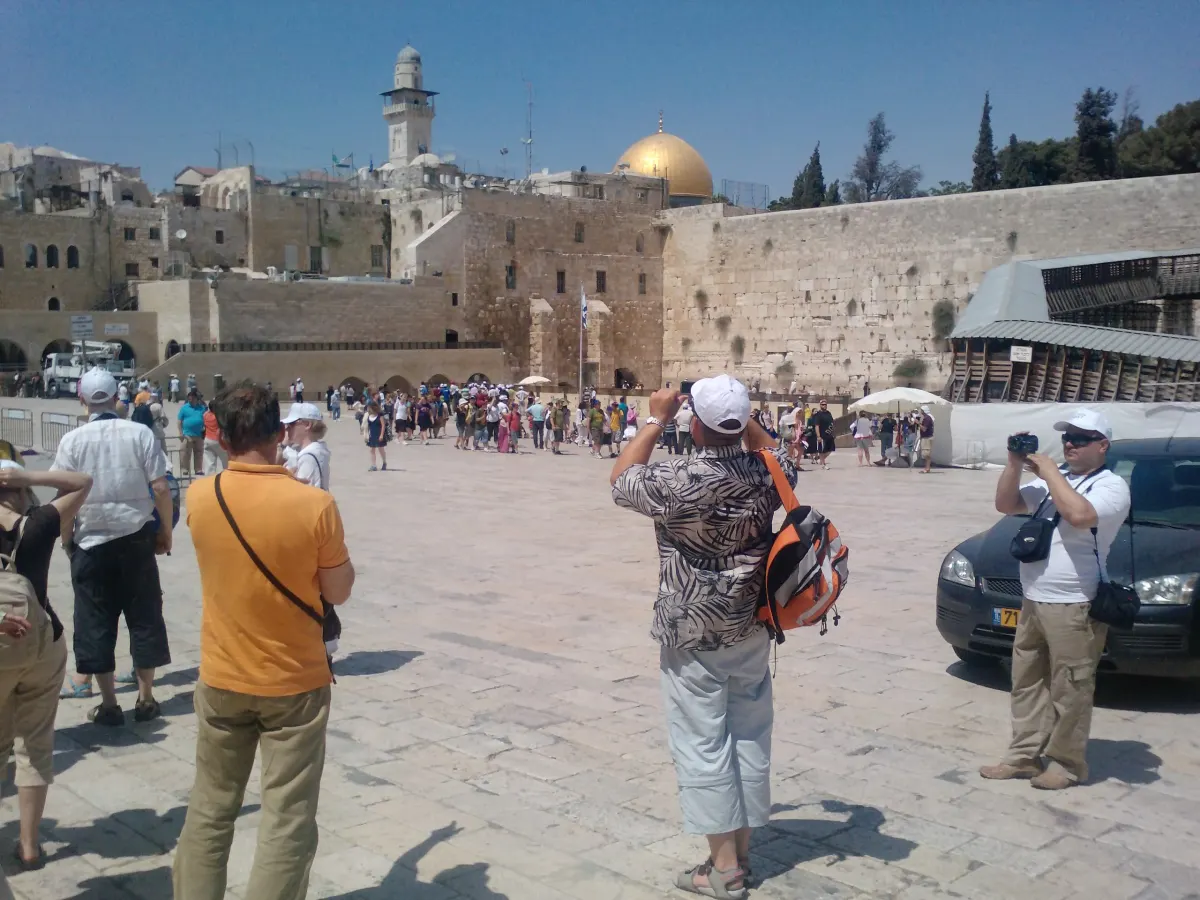
Jerusalem's Old City holds the holiest places of Judaism, some of the holiest of Christianity, and the third holiest of Islam, all within a few hundred metres of each other. They're living places of worship, and some of the most sensitive places in the world, so a little care goes a long way.
What to wear
- At every holy site, cover your shoulders and knees: no shorts, short skirts or sleeveless tops. A light scarf or shawl is useful to carry, and some churches lend or sell wraps at the door.
- Women should cover their hair in mosques, and men their heads at the Western Wall (free paper kippot are handed out) and in synagogues.
- The same goes for ultra-Orthodox neighbourhoods such as Mea Shearim: see Shabbat and holidays.
The Western Wall
- The Western Wall (the Kotel) is open day and night, and free, through security checks at the gates of the plaza. It has separate sections for men (left, the larger) and women (right).
- Anyone can go up to the Wall, and many visitors leave a written prayer in the cracks between the stones. Walk away backwards if you want to do as worshippers do, and don't interrupt anyone praying.
- No photos or phones on Shabbat and Jewish holidays. At other times photos are fine, but ask before photographing people.
- The Western Wall Tunnels tour, along the hidden length of the wall, must be booked ahead on the Western Wall Heritage Foundation's site, english.thekotel.org.
The Temple Mount / Haram al-Sharif
The raised plaza above the Western Wall, with the Dome of the Rock and the Al-Aqsa Mosque, is called the Temple Mount by Jews and Haram al-Sharif (the Noble Sanctuary) by Muslims. Clashes there have started wider violence, and its rules are strictly kept.
- Non-Muslims can go in only through the Mughrabi Gate, up a covered wooden ramp from the Western Wall plaza, at limited times: a few hours on Sunday to Thursday mornings and a short time around midday, not on Fridays, Saturdays or Muslim holidays. Times change and it can close without warning, so check on the day, and expect to queue and go through a security check.
- Non-Muslims can't enter the Dome of the Rock or the Al-Aqsa Mosque, and shouldn't pray there or bring religious objects or books. Guards and police check, and you can be removed.
- Keep a respectful distance from people praying, and no public affection.
The Church of the Holy Sepulchre
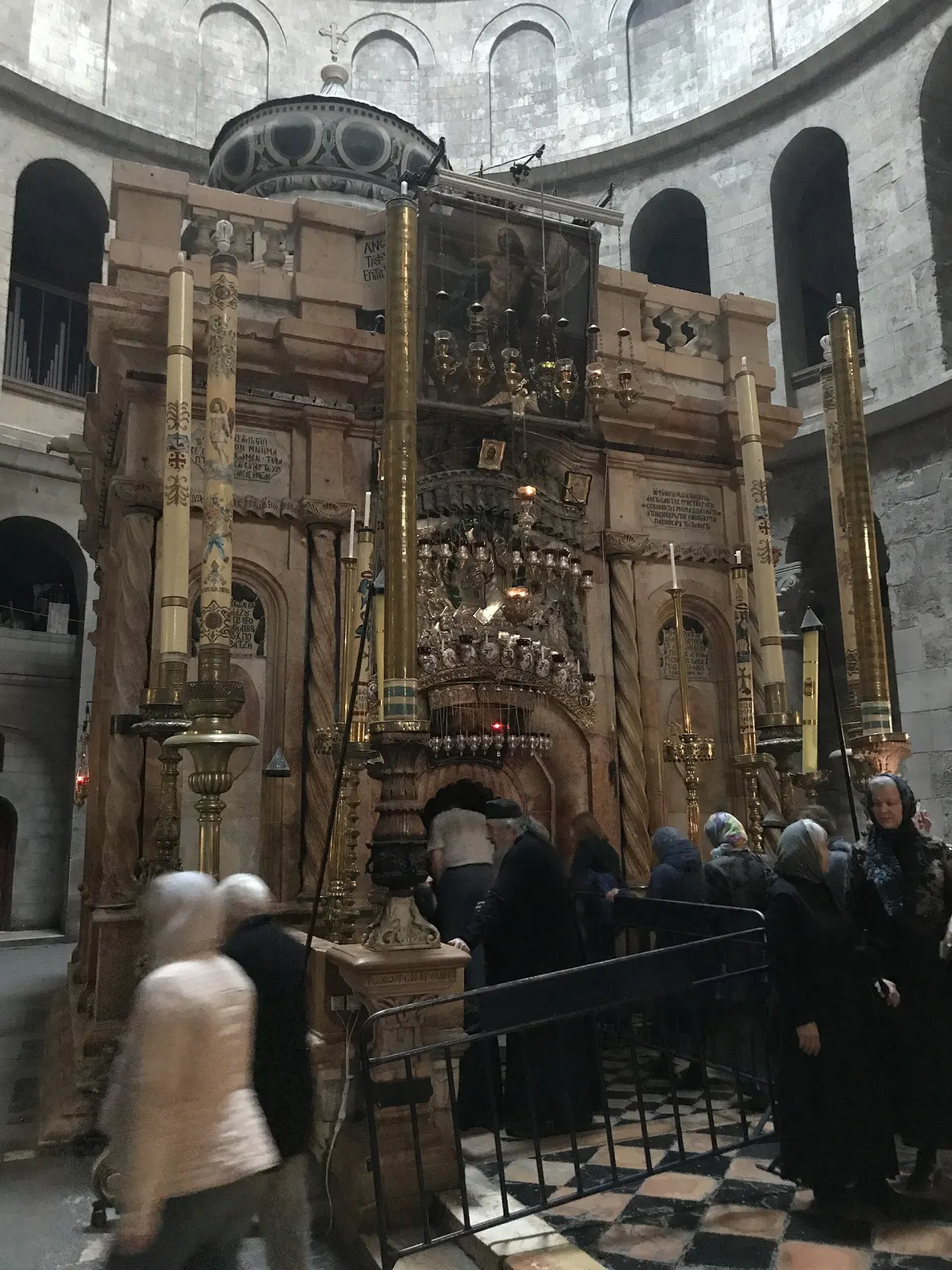
- The Church of the Holy Sepulchre, built over the place where Christians believe Jesus was crucified and buried, is shared by several churches, which each guard their own parts and times. It's free.
- Go early in the morning to avoid the longest queue to enter the tomb, the Edicule. Services and processions take priority: stand aside, and keep quiet.
- Other churches, such as the Church of the Nativity in Bethlehem (in the West Bank: see Safety) and those around the Sea of Galilee, have the same dress rules.
Elsewhere
- The Baháʼí Gardens in Haifa ask visitors to cover their shoulders and knees, and the upper terraces can only be seen on a guided tour or at set times.
- Yad Vashem, the Holocaust memorial, is a place of mourning: dress and behave as at a memorial, and check its rules on age and booking before you go.
- Mosques outside the Old City, such as in Akko and Jaffa, often welcome visitors outside prayer times. Take your shoes off at the door.

Historic sites
Old City of Jerusalem
Jerusalem
A walled city sacred to Judaism, Christianity and Islam, divided into four quarters.
See also: Shabbat and holidays.
Comments
No comments yet.