
Health in Israel: heat, desert hiking, the Dead Sea, flash floods and medical care
Israel's hospitals are excellent and the tap water is safe. The main risks to your health are the heat, the sun, and the desert, which catch out visitors every year.
Heat and sun
- From May to October it's hot almost everywhere, and at the Dead Sea, in the Jordan Valley and in Eilat it's often over 40°C. Spring and autumn have heat waves too (the sharav or hamsin), with hot, dry desert winds. See Weather in Israel.
- Drink much more water than you think you need, wear a hat and sunscreen, and do your sightseeing early in the morning and late in the afternoon. At Masada, the Snake Path up can close in the heat of the day, so walk up at dawn.
Hiking in the desert
- Start early, and finish before the afternoon heat. Many nature reserves close trails, or the whole reserve, in the afternoon, and stop letting people in well before closing time.
- Carry plenty of water, several litres per person for a day hike in the heat, plus salty snacks. Ein Gedi and most reserves have water fountains at the entrance.
- Tell someone your route, keep to marked trails, and don't rely on your phone's GPS (see Phones and apps). The Israel Nature and Parks Authority's site, en.parks.org.il, has opening hours and trail closures.
- Some trails, such as in the Negev near the borders, are closed for security: follow signs and your government's advice.
Flash floods
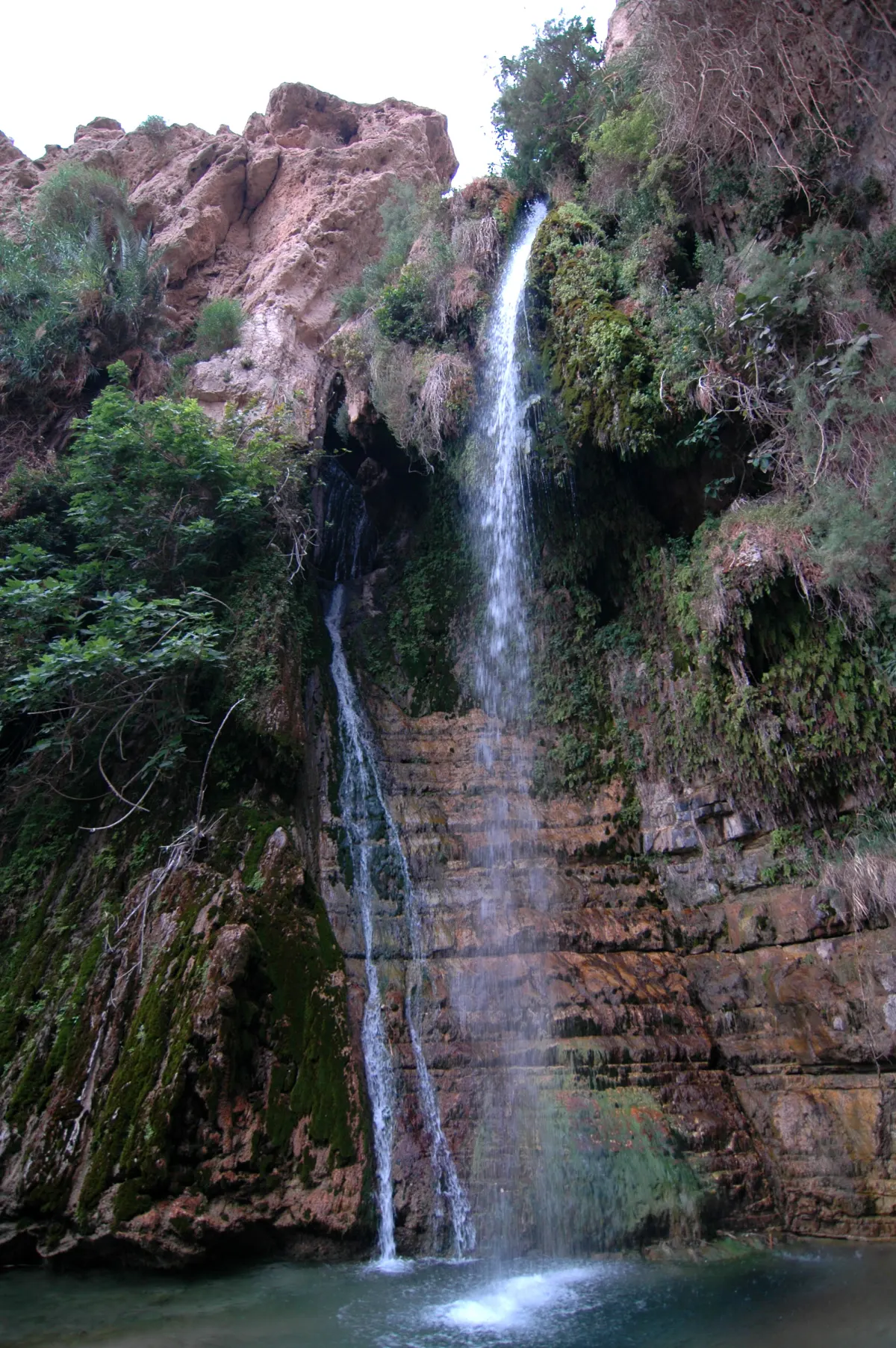
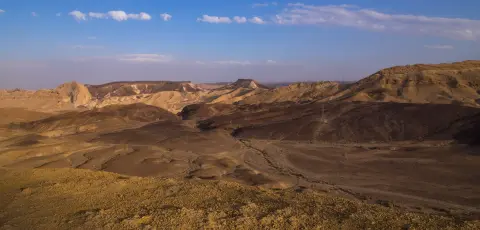
- In winter, rain in the hills, even far away and under a blue sky where you are, can send flash floods down the desert canyons (wadis) around the Dead Sea, Ein Gedi, Makhtesh Ramon and Eilat. People die in them most years.
- Don't go into canyons when rain is forecast anywhere in the area, and don't drive through water across the road. Reserves close trails when floods are expected.
The Dead Sea
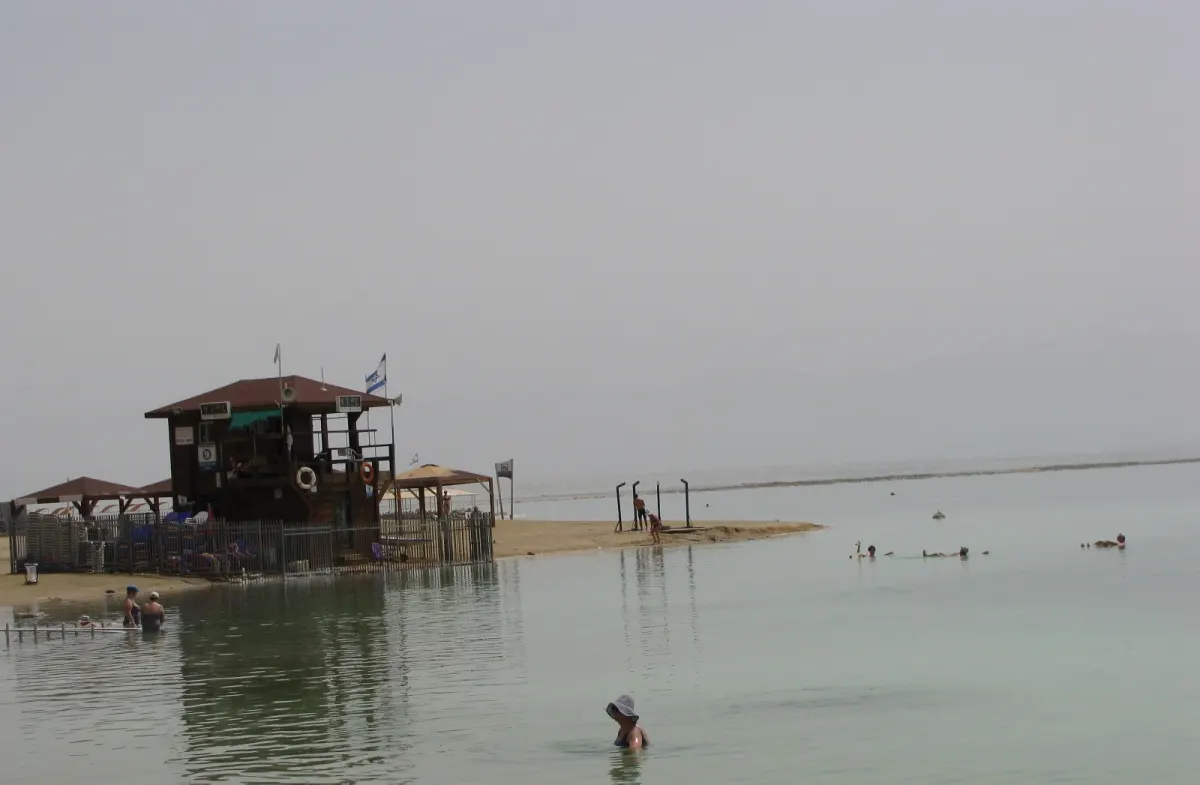
- The Dead Sea is so salty that you float, but the water is painful in your eyes and dangerous to swallow. Don't splash or swim face-down, and go in slowly. If you get water in your eyes, rinse them straight away with fresh water at the showers on the beach.
- Don't go in with cuts or after shaving, stay in for no more than about 15–20 minutes at a time, and drink fresh water.
- Swim only at official beaches: sinkholes have opened along the shore as the sea level falls, and areas are fenced off.
Beaches
- Swim only where there are lifeguards, as currents on the Mediterranean coast can be strong. Flags show whether it's safe to swim.
- Swarms of jellyfish come to the Mediterranean coast in early summer and can give painful stings. Lifeguards will tell you when they're around.
Medical care
- Hospitals and clinics are good, but expensive for visitors: have travel insurance that covers medical treatment and evacuation, and check what it says about war and areas your government advises against.
- Pharmacies, such as Super-Pharm, are easy to find, and pharmacists often speak English.
- West Nile virus is spread by mosquitoes, so use insect repellent.
- Ambulance: 101 (Magen David Adom).
See also: Safety in Israel.


Comments
No comments yet.