
Safety in Sri Lanka: scams, tuk-tuks, roads, the sea and the law
Sri Lanka is a friendly and generally safe country to travel in, and violent crime against visitors is rare. The real risks are the roads, the sea and the weather, along with touts and scams, petty theft, and a few laws that are stricter than visitors expect. Governments don't advise against travel to any part of the country, but check your government's current advice before you go.
Scams and touts
- "It's closed today": a friendly stranger or tuk-tuk driver tells you the temple, site or train is closed, or that there's a special festival, and offers to take you somewhere else instead, usually a gem shop, spice garden or tea "factory" that pays commission.
- Gem scams: don't buy gems as an investment, or to "sell at a profit back home". Buy only from reputable shops if you want one, and get a certificate from the National Gem and Jewellery Authority.
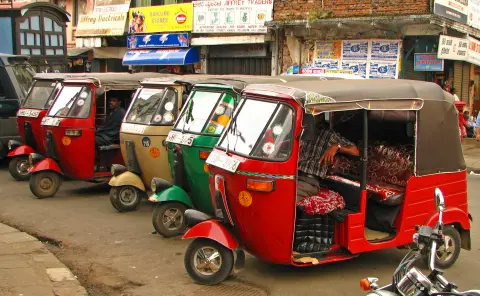
- Cheap or free tuk-tuk rides usually come with shopping stops. Agree the price and the route, or use PickMe or Uber.
- Spice gardens along the roads in the Cultural Triangle give a free tour, then sell overpriced oils and spices.
- Guides who attach themselves to you at sites, then ask for money: hire a licensed guide at the ticket office if you want one, and agree the fee first.
- Fake ETA websites that charge for the free visa: see Arriving in Sri Lanka.
Theft and fraud
- Petty crime, such as thefts from hotel rooms and guesthouses, has increased. Use the room safe, and don't leave valuables on the beach.
- Bag snatching from motorbikes happens: carry your bag on the side away from the road.
- Pickpockets work on crowded trains and buses, and at stations.
- Card fraud is common. Use ATMs inside banks or hotels, and keep your card in sight. See Money.
- Drinks are poured without measures, so they're often stronger than at home, and drink spiking has been reported. Watch your drink.
Women travellers
- Women, especially those travelling alone, often get stares and comments, and sometimes groping, mostly on crowded buses and trains, at bus and railway stations, markets and festivals. Sit next to other women on buses, and dress modestly away from the beach.
- There are occasional reports of harassment by tuk-tuk drivers at night. Use PickMe or Uber, which record your trip, or a tuk-tuk your hotel calls, and get out somewhere busy if you feel uncomfortable.
Roads
- Road accidents are the biggest risk to visitors. Buses overtake on blind bends, motorbikes weave through traffic, and roads are full of pedestrians, dogs and cattle. Driving at night is especially dangerous.
- If you have a driver who drives too fast, tell him to slow down. Wear a seatbelt where there is one, and a helmet on a scooter.
- Look both ways, several times, before crossing: drivers rarely stop at zebra crossings.
The sea
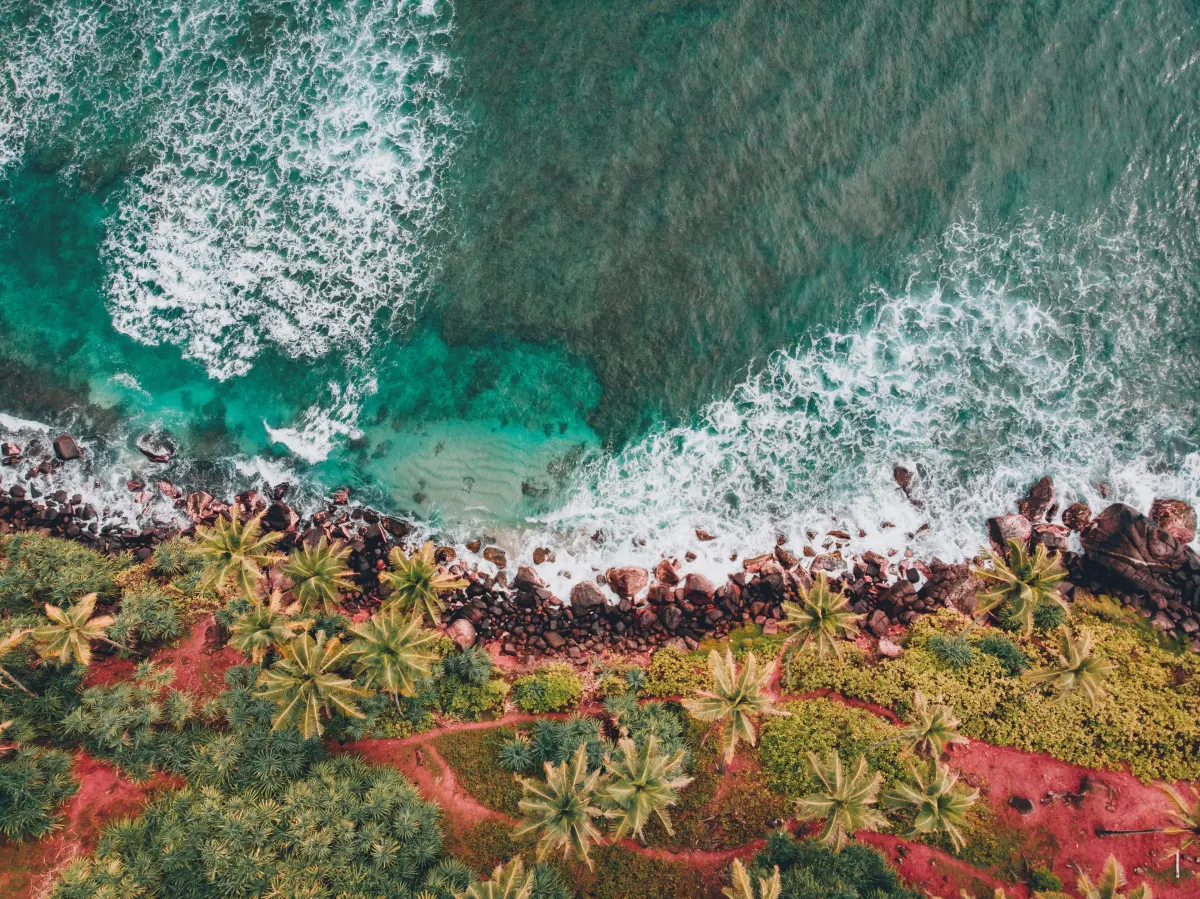
- Many beaches have strong waves and rip currents, especially on the south and west coasts during the south-west monsoon (May to September), and on the east coast from November to February. People drown every year.
- Swim where locals swim, in the season, and ask your hotel. Few beaches have lifeguards. Don't swim after drinking.
- If you're caught in a rip, don't swim against it: swim parallel to the shore, or float and signal for help.
Wildlife
- Wild elephants kill people in Sri Lanka every year, mostly villagers, but also occasionally walkers and drivers at night. Keep well away from them, never approach on foot, and don't drive at night in elephant areas if you can avoid it. See Wildlife safaris.
- Crocodiles live in rivers, lagoons and reservoirs: don't swim in them.
- Snakes are common in the countryside but rarely seen. Use a torch at night and look where you step. Monkeys at temples steal food and bags, and can bite.
- Stray dogs are everywhere, and some carry rabies. See Health.
The north and east
- The civil war ended in 2009, and the north and east, including Jaffna, are open to visitors. There is a visible military presence.
- Landmine clearance is still going on in some areas, especially in the north. Keep to roads and cleared paths, and take warning signs seriously.
Protests, terrorism and the law
- Protests can happen at short notice, and some, such as those in 2022, have turned violent. Keep away from demonstrations.
- Terrorist attacks can't be ruled out: in 2019, the Easter Sunday bombings of churches and hotels killed more than 250 people.
- Always stop at police and military checkpoints when asked.
- Drugs, including cannabis, mean long prison sentences and heavy fines.
- Disrespecting the Buddha or Buddha images, including posing with your back to a statue, can lead to arrest or deportation. See Culture and etiquette.
- Carry your passport, or a copy of it, at all times.
- Same-sex sexual activity is illegal, although prosecutions aren't known.
Weather
Floods and landslides, especially in the monsoons and the inter-monsoon months, are a serious risk: Cyclone Ditwah killed more than 600 people in November 2025. See Weather and the monsoons.
Emergency numbers
- Police: 119 (or 118)
- Ambulance: 1990 (the free Suwa Seriya service)
- Fire: 111
- Tourist Police, Colombo: 011 2421052. There are tourist police posts in many tourist towns.
- Sri Lanka Tourism's 24-hour hotline: 1912
Check your government's travel advice before you go, such as the UK's Foreign Office advice, and make sure your travel insurance covers medical evacuation.
Comments
No comments yet.