
Culture and etiquette in Sri Lanka: temples, Buddha images, photos and poya days
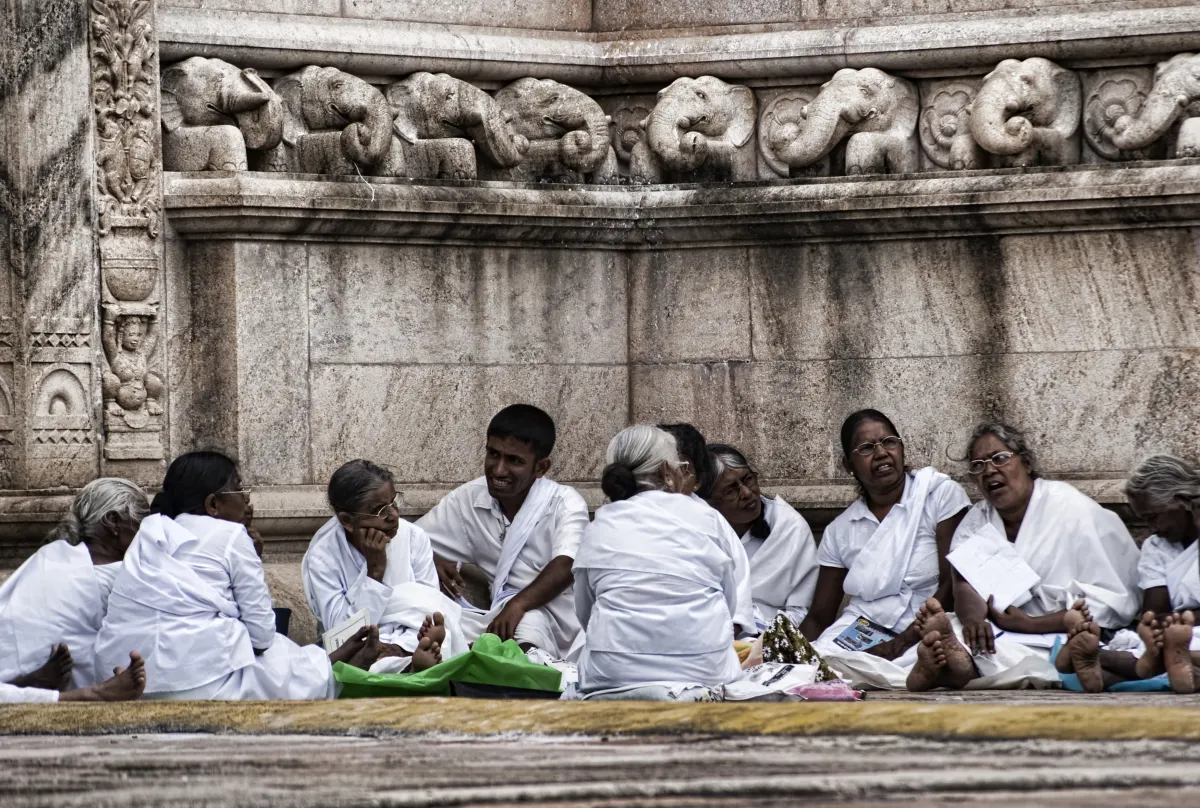
Sri Lanka is a mainly Buddhist country, with large Hindu, Muslim and Christian communities, and people are warm, curious and welcoming. Religion is taken seriously, and disrespecting the Buddha is a crime: here's how to visit temples and holy places without causing offence.
Buddha images: the rules
- Don't pose for photos with your back to a Buddha statue, or next to one, and never climb on statues or touch them. Stand facing the Buddha, or ask your guide where to take photos.
- Buddha tattoos: visitors with visible tattoos of the Buddha have been refused entry, arrested and deported. Cover them with clothing, even on the beach.
- Don't buy or wear clothes, souvenirs or anything else that uses the Buddha's image as decoration, and don't use Buddha statues as ornaments.
- Disrespecting Buddhist images or making offensive remarks about religion is a serious offence and can lead to arrest.
Visiting temples
- Cover your shoulders and knees, men and women. A sarong or long skirt over shorts is fine. White or light colours are best, especially at the Temple of the Tooth in Kandy, where staff check what you're wearing.
- Take off your shoes and hat before you go in, and usually your socks too. Stone floors and sand get very hot in the middle of the day, so go early or late, or wear thin socks if allowed. Someone usually looks after shoes for a small tip.
- Walk round stupas (dagobas) clockwise, with the stupa on your right.
- Don't point your feet at a Buddha image or a monk: sit with your feet tucked to the side.
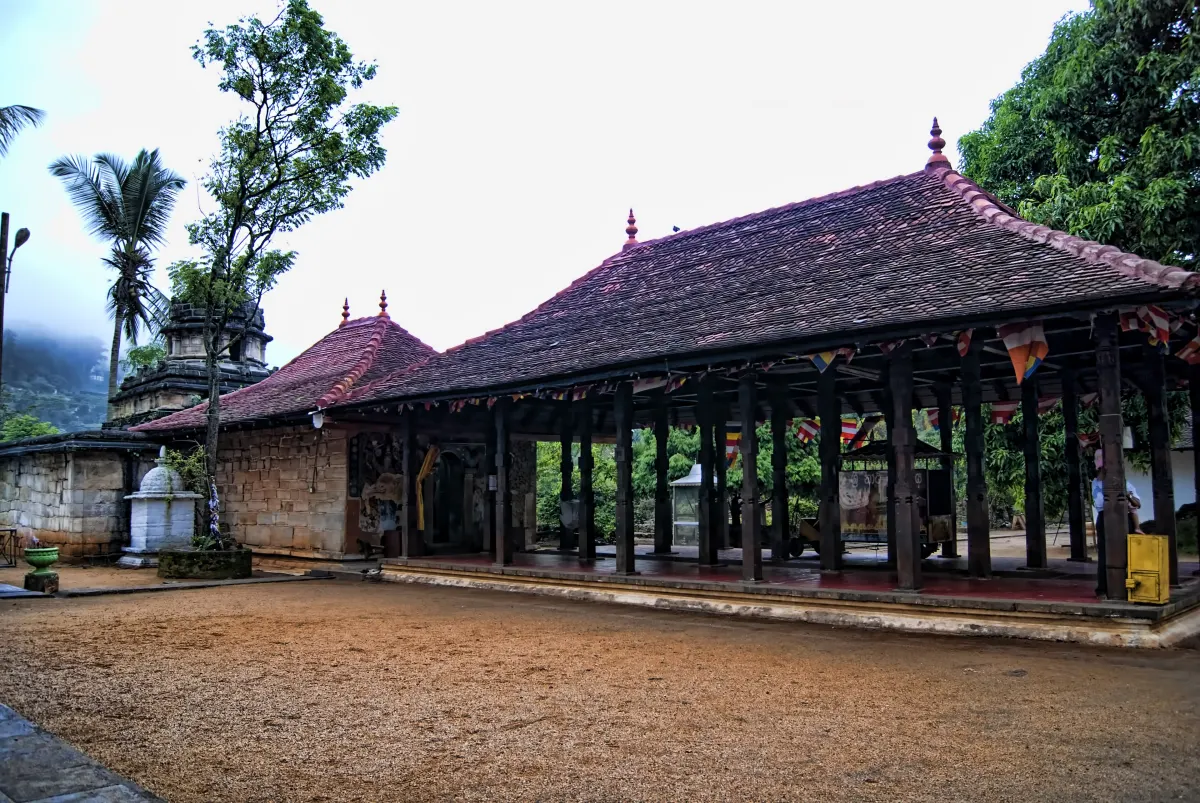
- Many temples, such as Dambulla, the stupas of Anuradhapura and the path up Adam's Peak, are still active places of worship: keep your voice down, and don't walk in front of people praying.
Monks
- Monks are greatly respected. On buses, the front seats are kept for them, and you should give up your seat.
- Women shouldn't touch a monk, sit right next to one, or hand things directly to him.
- Ask before you photograph a monk.
Poya days and festivals
- Poya, the full moon day each month, is a Buddhist holiday. Alcohol isn't sold, and bars and many shops close; some hotels serve guests discreetly, but drinking in public is insensitive. Temples are busy, and people dress in white.
- Vesak, the full moon in May, marks the Buddha's birth, enlightenment and death, with lanterns, lit-up pandals and free food stalls (dansal).
- The Esala Perahera in Kandy, in July or August, is the biggest festival, with nights of processions of dancers, drummers and decorated elephants. Hotels in Kandy fill up and prices rise. Animal welfare groups have criticised the use of elephants in processions.
- The Sinhala and Tamil New Year, in mid-April, is a family holiday: many businesses close for a few days, and transport is packed.
Hindu temples, mosques and churches
- At Hindu temples (kovils), take off your shoes; at some, men are asked to remove their shirts. Some don't allow non-Hindus into the inner sanctum.
- At mosques, dress conservatively, women cover their hair, and avoid prayer times. Ask before you go in.
Photos
- Ask before photographing people. Some people in traditional dress, such as stilt fishermen at Koggala and tea pickers, pose for tourists and expect payment.
- Don't photograph military or government buildings, checkpoints or VIP convoys, and don't fly drones without permission from the Civil Aviation Authority.
Everyday manners
- Greet people with "Ayubowan" (Sinhala, "may you live long") with your palms together, or "Vanakkam" in Tamil areas. A handshake is fine between men; wait for a woman to offer her hand.
- Use your right hand to eat, give and receive things.
- A sideways head wobble usually means yes, or "OK".
- Dress modestly away from the beach, and keep swimwear for the beach. Nude and topless sunbathing is against the law.
- Public displays of affection are frowned on.
- Same-sex sexual activity is illegal, although we aren't aware of prosecutions, and LGBT travellers should be discreet.
- The civil war ended in 2009, and the north and east have their own Tamil culture. Be thoughtful about raising the war or politics.
See also: Food and drink and Safety in Sri Lanka.
Comments
No comments yet.