
Money in Sri Lanka: rupees, cards, ATMs, entrance fees and tipping
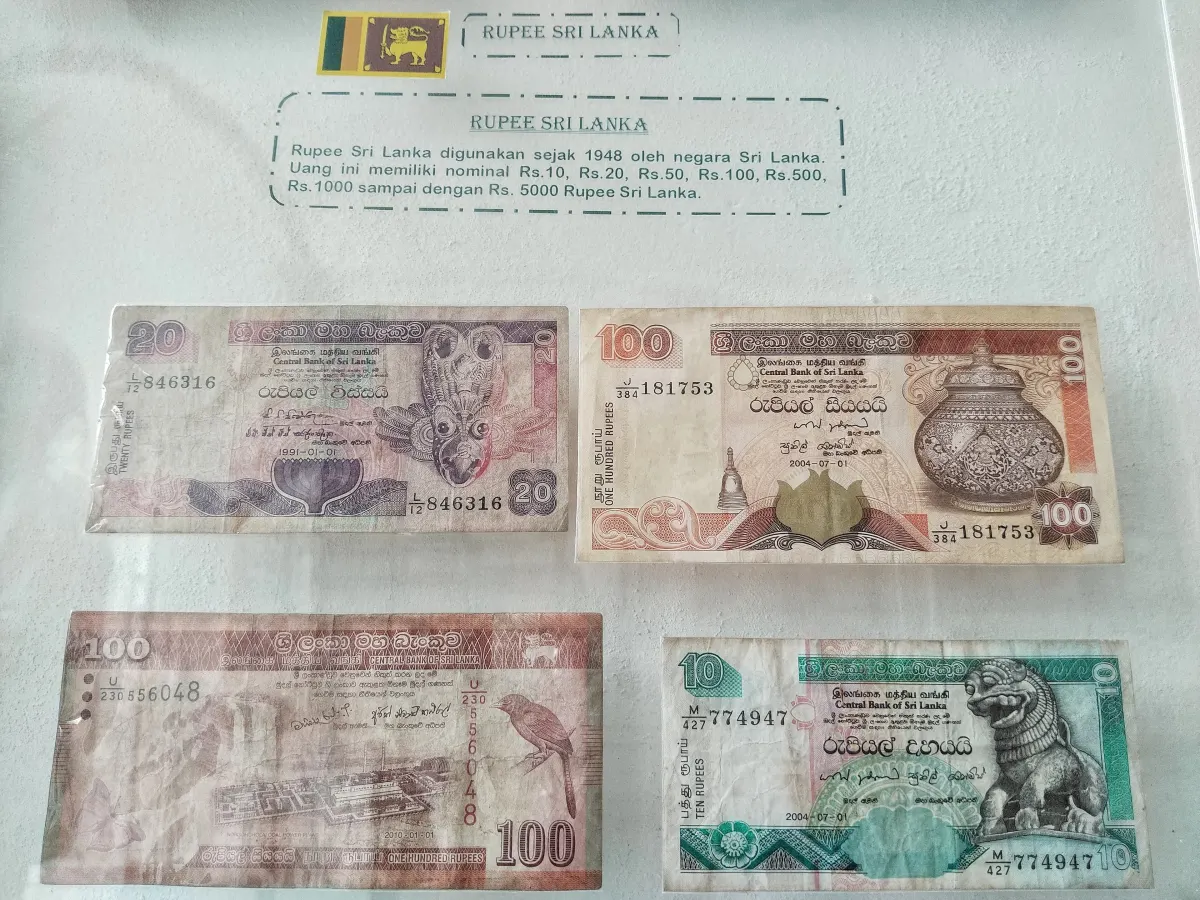
Sri Lanka's currency is the rupee (LKR, often written Rs). You can't easily get rupees before you go, so most visitors take them out of ATMs or change cash when they arrive. Hotels, bigger restaurants and supermarkets take cards; tuk-tuks, buses, small shops and street food need cash.
Getting rupees
- ATMs are in every town, and the banks in the arrivals hall at Colombo airport have ATMs and exchange counters. Not every ATM takes foreign cards: the big banks, such as the Bank of Ceylon, Commercial Bank, Sampath Bank and HNB, usually do.
- Most ATMs charge a fee on top of your own bank's fees, and limit how much you can take out at once. Take out larger amounts less often, and choose to be charged in rupees, not your home currency.
- Card fraud is common. Use ATMs inside banks or hotels where you can, check the card slot for anything stuck on it, and keep your card in sight when you pay.
- Cash: US dollars, euros and pounds can be changed at banks and licensed money changers, and usually get a better rate than at the airport. Keep the receipts if you want to change rupees back when you leave.
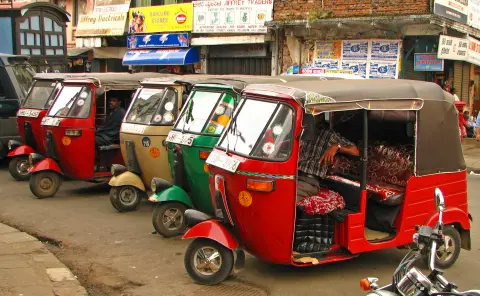
- Carry small notes: tuk-tuk drivers and small shops often have no change for a 5,000-rupee note.
Paying by card
- Visa and Mastercard are taken in most hotels, many restaurants, supermarkets and shops in tourist areas. Some places add a surcharge of a few percent for cards.
- Sri Lankans increasingly pay with LANKAQR codes from local bank apps, which visitors usually can't use.
- Outside the cities and in small guesthouses, expect to pay cash.
Entrance fees
- Foreign visitors pay much more than Sri Lankans at the main sites, often priced in US dollars: tickets for Sigiriya, Polonnaruwa and Anuradhapura each cost tens of dollars, and the Temple of the Tooth and Dambulla cave temple charge too. Ticket offices at the big sites usually take cards, but bring cash in case.
- National park safaris have three parts: the park's own ticket (per person, plus tax and the vehicle fee), paid at the park office, and the jeep and driver, paid to the jeep owner or your hotel. Ask what's included. See Wildlife safaris.
- Some sites give students or SAARC citizens discounts.
Service charges, tax and tipping
- Hotels and many restaurants add a service charge, usually 10%, to the bill, and many also add tax: check whether the menu prices include them.
- Tipping on top is welcome but not expected in restaurants that charge service. In small places without a service charge, round up or leave a little.
- Tip guides, safari jeep drivers and trackers, and your driver, if you have one, at the end: ask your agency or hotel what's usual.
- Small tips are usual for porters, the person who looks after your shoes at a temple, and anyone who helps you, such as hotel staff.
Haggling and costs
- Bargain in markets and for tuk-tuks without meters, politely. Prices in shops with price tags are fixed.
- Sri Lanka has been through a currency crisis and high inflation since 2022, so prices change often. Check recent prices rather than old guidebooks.
See also: Arriving in Sri Lanka, which covers currency rules at customs, and Safety and scams.
Comments
No comments yet.