
Weather in Sri Lanka: the two monsoons, the best time to go, and floods and cyclones
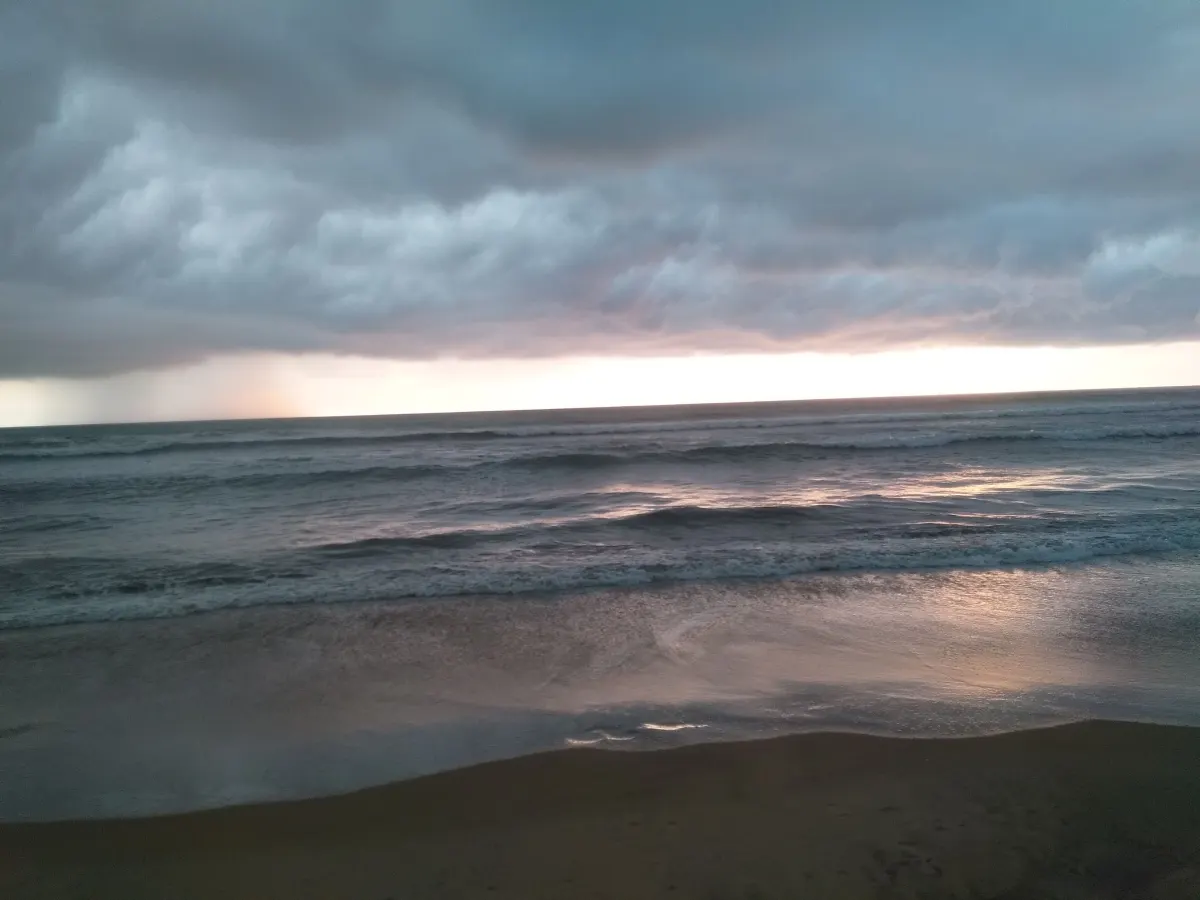
Sri Lanka has two monsoons, which bring rain to different parts of the island at different times of year. That means there's somewhere with good weather in every season: the south and west coasts and the hills are best from December to March, and the east coast from May to September. The Cultural Triangle in the middle is dry for much of the year.
The two monsoons
- The south-west monsoon (Yala), from about May to September, brings rain to the west and south coasts, including Colombo, Galle and Mirissa, and to the western hills. The sea on the south and west coasts is rough, and many beach businesses close. Meanwhile, the north and east are dry and sunny, and it's the season for Trincomalee, Pasikudah and Arugam Bay.
- The north-east monsoon (Maha), from about December to February, brings rain to the north and east, including Jaffna and Trincomalee, and the eastern hills. It's the best time for the south and west coasts, and the main tourist season.
- The inter-monsoon months, March to April and especially October to November, bring heavy afternoon thunderstorms across much of the island. October and November are often the wettest months of the year in many places, and the time of the worst floods and cyclones.
Where to go when
- December to March: the south and west coasts (Galle, Mirissa, Unawatuna), the hill country (driest from January to March), and the Cultural Triangle. The best time for whale watching from Mirissa and for climbing Adam's Peak, whose pilgrimage season runs from the December full moon to Vesak in May. The busiest season, especially around Christmas and New Year.
- April: hot and humid before the monsoon; the Sinhala and Tamil New Year in mid-April.
- May to September: the east coast and Arugam Bay's surf season, and Trincomalee for whales and diving. The Cultural Triangle is dry and hot, and the elephant Gathering at Minneriya runs from about July to October. The south and west are wet, but it often rains in short bursts, with sunny spells, and prices are lower.
- October and November: the wettest and least predictable time, with storms across the island; floods and landslides are a real risk. Parts of Yala often close in the dry weeks before the rains.
Temperatures
- The lowlands are hot all year, usually around 30°C in the day, and humid.
- The hill country is much cooler: Kandy, at about 500 metres, is pleasant; Nuwara Eliya, at nearly 1,900 metres, is cool by day and can be cold at night, with ground frost possible in the coldest months. Bring a fleece and a rain jacket.
Floods, landslides and cyclones
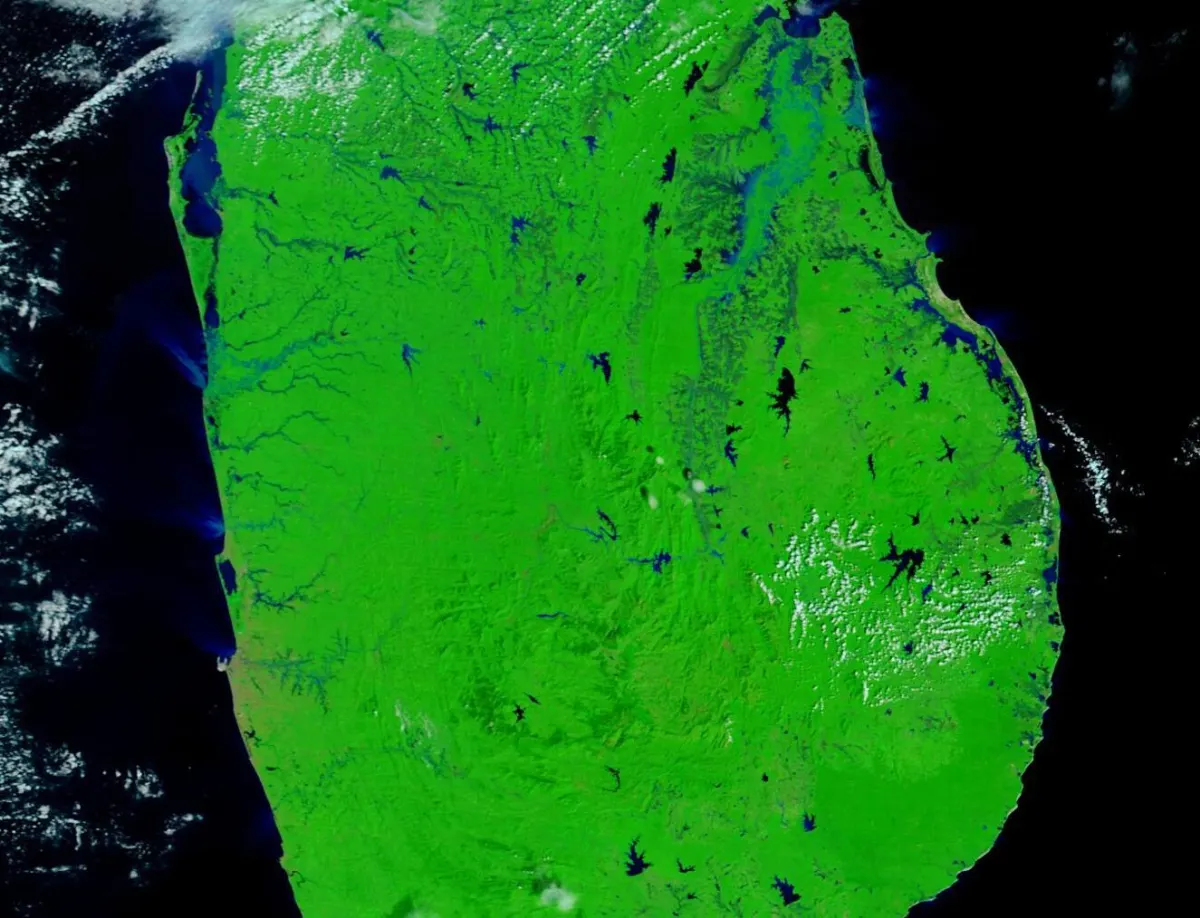
- Heavy rain causes floods in the lowlands and landslides in the hill country, closing roads and railways, sometimes for weeks.
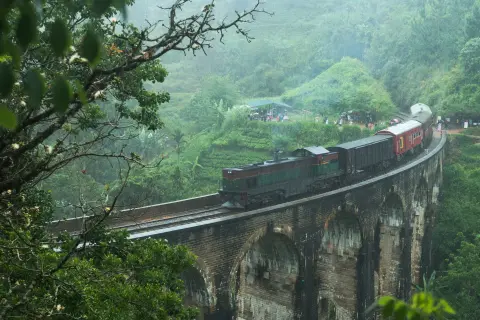
- Tropical cyclones are rare, but can be devastating. Cyclone Ditwah, in late November 2025, caused floods and landslides across the country, killing more than 600 people and affecting over 1.5 million. It badly damaged the hill country railway, part of which is still closed: see The hill country train.
- In the rainy seasons, check warnings from the Department of Meteorology and the Disaster Management Centre, follow local advice, and don't drive through the hills in very heavy rain if you can avoid it.
- Leave some slack in your plans in the rainy months, and choose travel insurance that covers disruption.
- Sri Lanka's coasts were hit by the 2004 Indian Ocean tsunami. Tsunami warning signs and evacuation routes are posted on many beaches: if you feel a strong earthquake on the coast, or are warned, go inland or uphill.
See also: Wildlife safaris for the best time for each park, and two weeks in Sri Lanka.
Comments
No comments yet.