Natural features
Jeju Island and Hallasan
Jeju
A volcanic island off the south coast, a UNESCO World Heritage Site, with Hallasan, South Korea's highest mountain (1,947 m), lava tubes such as the …
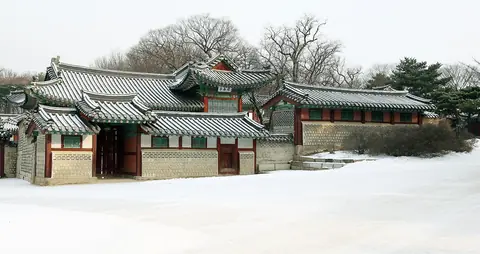
The best preserved of Seoul's royal palaces, built in 1405 and home to the kings of the Joseon dynasty for centuries.
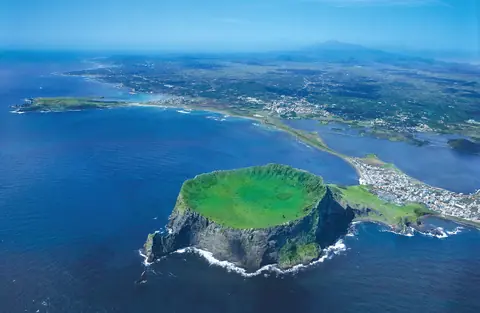
A volcanic crater rising straight out of the sea on the eastern tip of Jeju, formed by an eruption under the sea about 5,000 years ago.
Gyeongju was the capital of the Silla kingdom for nearly a thousand years and is called 'the museum without walls'.
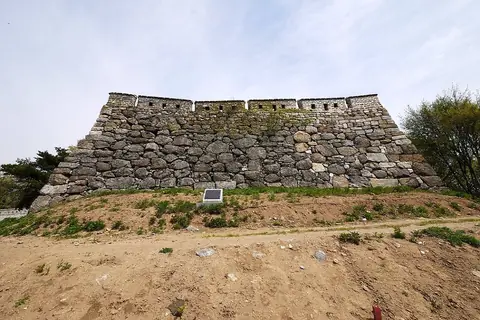
A mountain fortress just southeast of Seoul, built as an emergency capital for the Joseon kings, and listed by UNESCO.
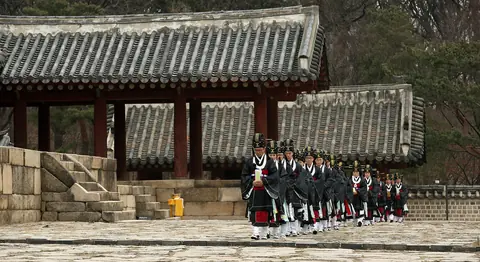
The royal ancestral shrine of the Joseon dynasty, where the spirit tablets of the kings and queens are kept and honoured.
The Baekje kingdom, one of Korea's three ancient kingdoms, had its last two capitals at Gongju and Buyeo, and their remains are listed together by UN…
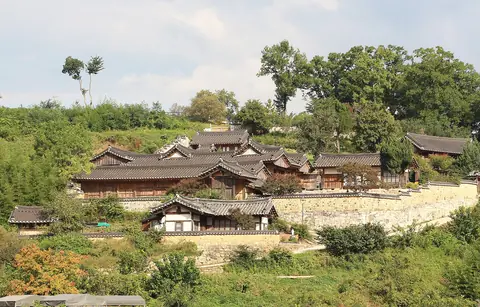
A traditional village of tiled and thatched houses in a bend of the Nakdong River, still lived in by the Ryu clan, a UNESCO World Heritage Site.
A fortress wall built in the late 18th century around the centre of Suwon, nearly 6 km long, with gates, watchtowers and bastions, a UNESCO World Her…
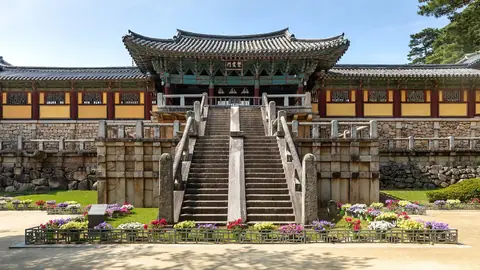
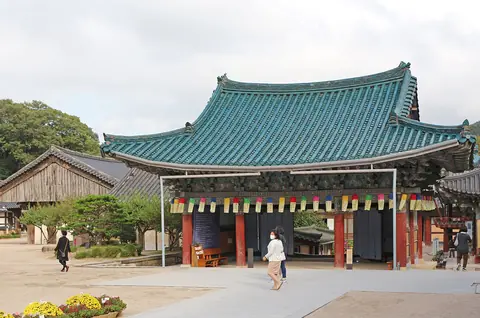
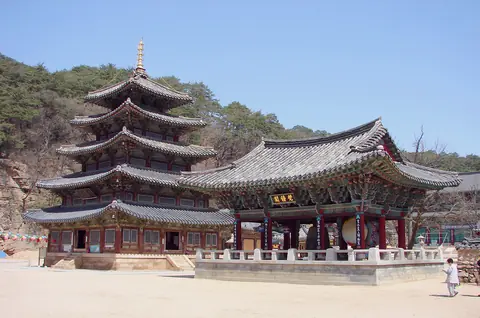
One of Korea's three jewel temples, founded in 646 by the monk Jajang, who brought relics of the Buddha back from China.
A traditional clan village of the Joseon era, with more than 150 old houses spread over the hills, some dating back to the 15th century.
Rocky peaks in the middle of the country, with one of Korea's most important temples at their foot.