Historic sites

Tongdosa Temple

South Korea South Gyeongsang Yangsan

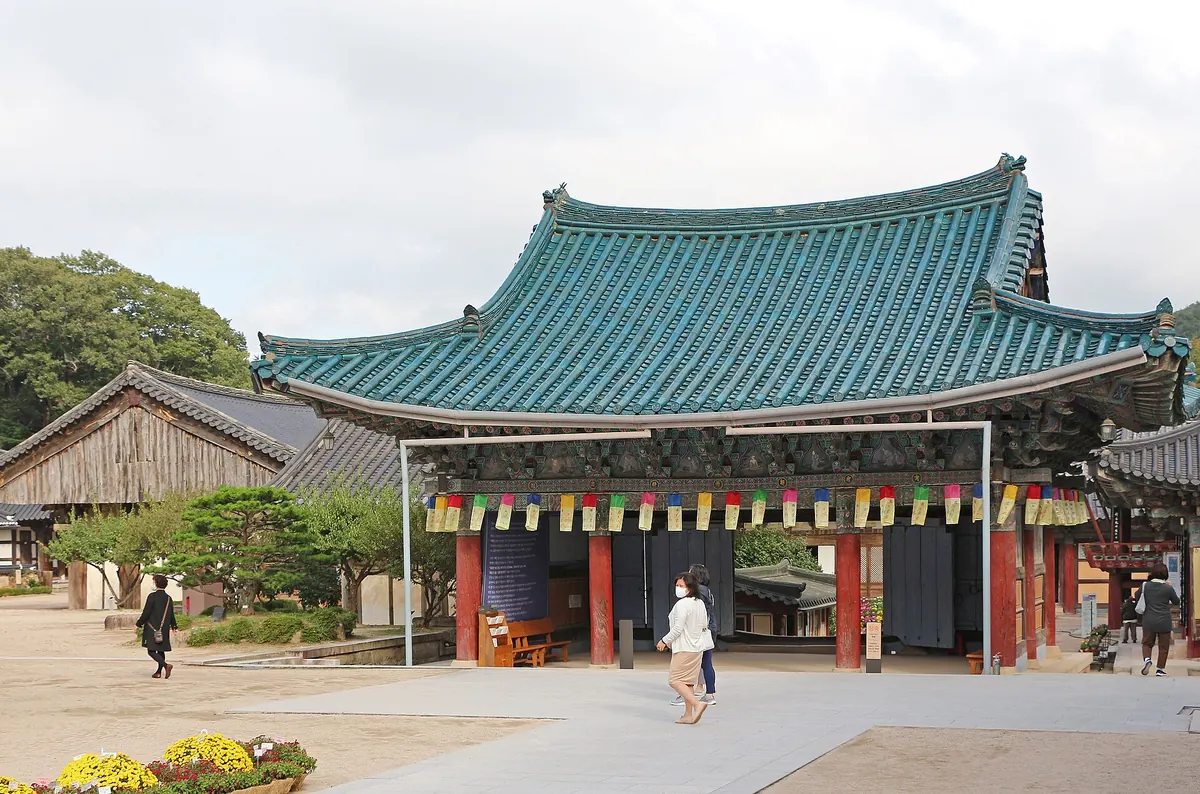
Tongdosa Temple
Photo: Bernard Gagnon, CC0, via Wikimedia Commons

One of Korea's three jewel temples, founded in 646 by the monk Jajang, who brought relics of the Buddha back from China. Because the relics are kept here, the main hall has no Buddha statue: instead, its window looks out onto the stupa where they are enshrined. It is one of the mountain temples listed by UNESCO.


The temple is large, with many halls and hermitages spread along a stream in a wooded valley. The approach, a path through a pine forest along the stream, is lovely, and the temple is especially pretty in early spring, when an old plum tree blossoms.


Buses run from Busan and Ulsan to Sinpyeong, the village at the temple entrance. The temple offers templestays.
Comments

No comments yet.

Historic sites

Beomeosa Temple, Busan

Geumjeong-gu, Busan

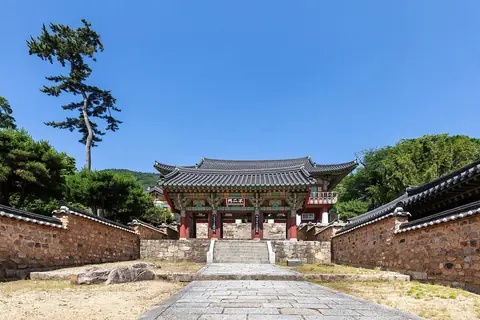
One of Korea's great Buddhist temples, founded in 678 on the slopes of Geumjeongsan, a mountain on the northern edge of Busan.

Historic sites

Haedong Yonggungsa Temple, Busan

Gijang-gun, Busan

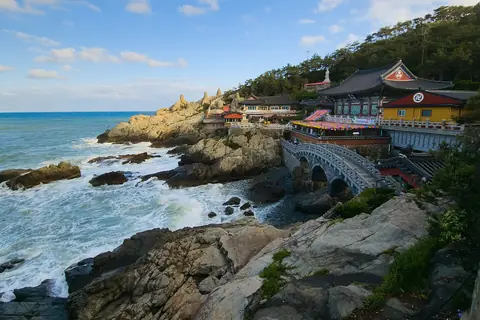
A Buddhist temple built on rocks right beside the sea on Busan's east coast, first founded in 1376.

Natural features

Haeundae Beach, Busan

Haeundae-gu, Busan

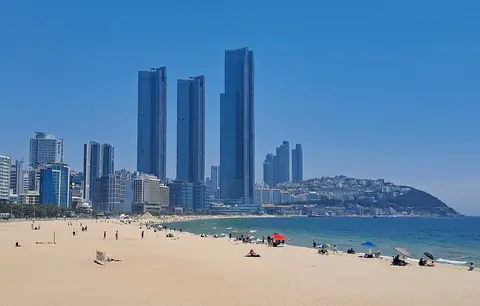
Korea's best-known beach, a long curve of sand backed by tall towers in Busan, the country's second city.

Historic sites

United Nations Memorial Cemetery, Busan

Nam-gu, Busan

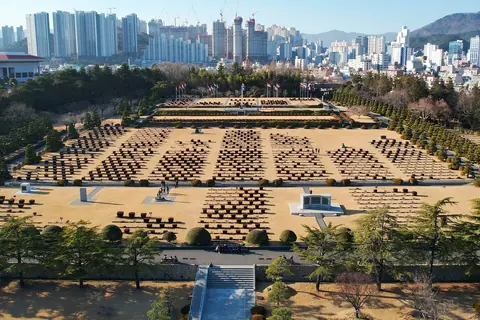
The only United Nations cemetery in the world, where about 2,300 soldiers who died in the Korean War rest, from countries including the United Kingdo…

Attractions

Gyeongju National Museum

Gyeongju, North Gyeongsang

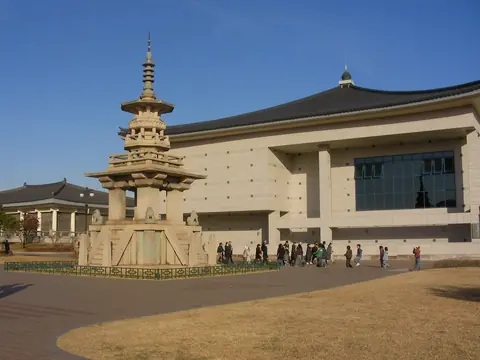
The museum of the Silla kingdom, with treasures from a thousand years of Gyeongju's history as its capital.

Historic sites

Gyeongju royal tombs and Cheomseongdae

Gyeongju, North Gyeongsang

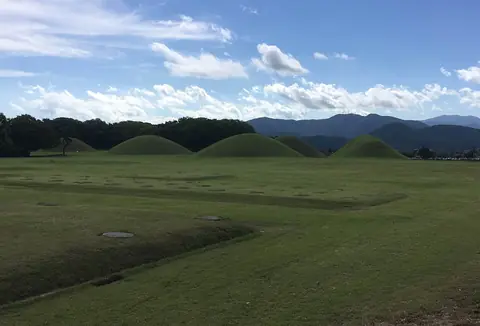
Gyeongju was the capital of the Silla kingdom for nearly a thousand years, and its centre is scattered with the huge grassy burial mounds of its king…