Historic sites

Gyeongju royal tombs and Cheomseongdae
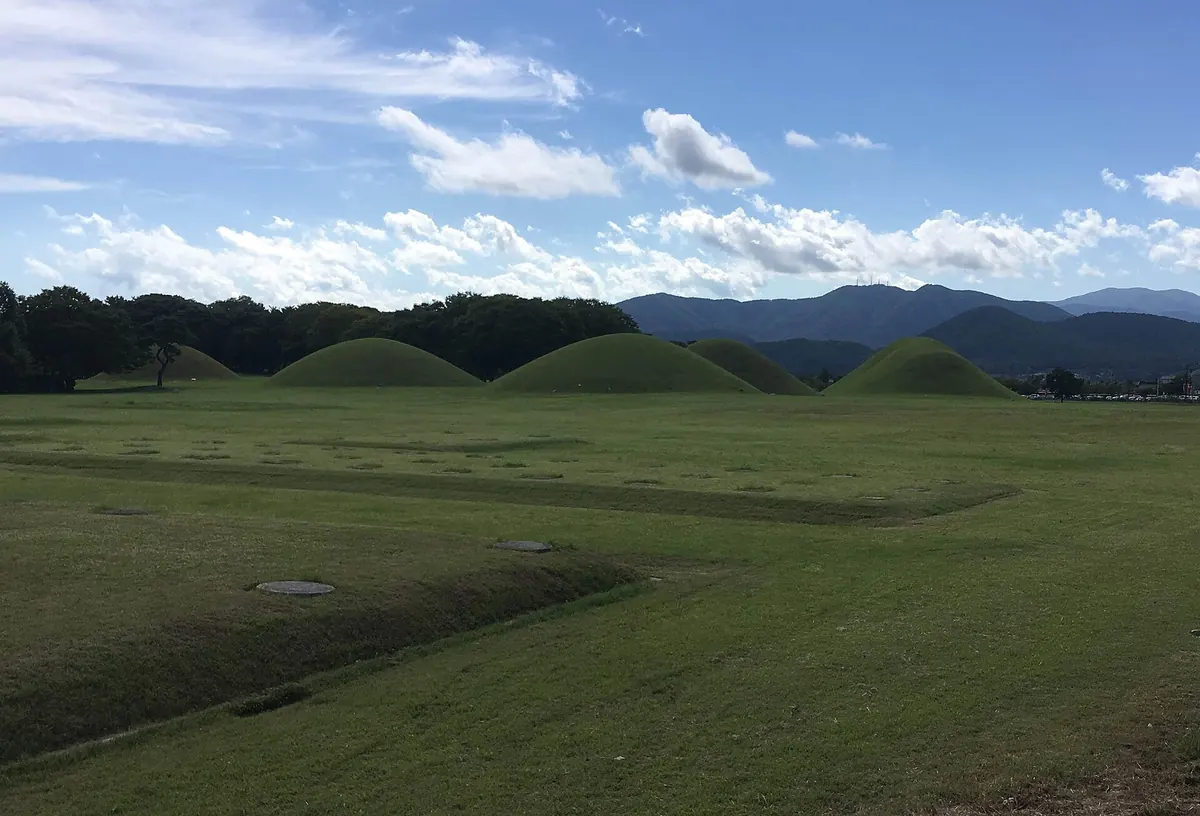
South Korea North Gyeongsang Gyeongju

Gyeongju royal tombs and Cheomseongdae
Photo: Christophe95, CC BY-SA 4.0, via Wikimedia Commons

Gyeongju was the capital of the Silla kingdom for nearly a thousand years, and its centre is scattered with the huge grassy burial mounds of its kings and queens. In Daereungwon, a park of 23 tombs, you can go inside Cheonmachong, the Heavenly Horse Tomb, where a gold crown and a painting of a flying horse were found.


A short walk away stands Cheomseongdae, a bottle-shaped stone tower from the 7th century, thought to be the oldest surviving astronomical observatory in East Asia. Around it, fields of flowers bloom from spring to autumn. The area is listed by UNESCO as part of the Gyeongju Historic Areas.


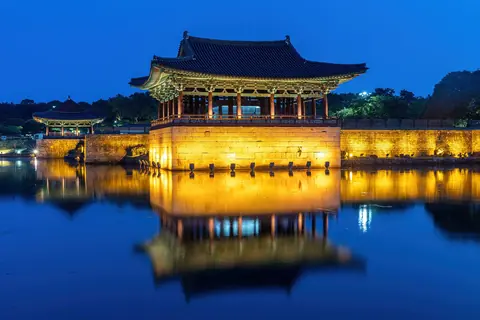
Gyeongju is best explored by bicycle. Combine with Bulguksa, the Gyeongju National Museum, and Donggung Palace and Wolji Pond at night.
Comments

No comments yet.

Food and drink

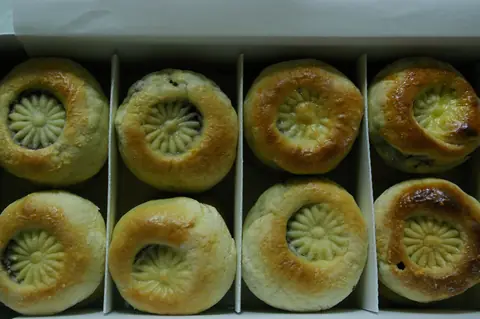
Gyeongju bread (hwangnam-ppang)

Gyeongju, North Gyeongsang

A small round pastry with a thin, golden crust and a sweet red bean filling, stamped with a pattern on top, made in Gyeongju since 1939.

Attractions

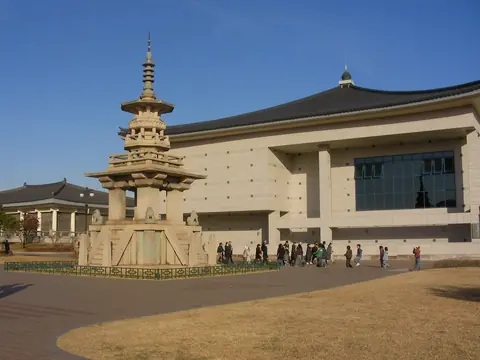
Gyeongju National Museum

Gyeongju, North Gyeongsang

The museum of the Silla kingdom, with treasures from a thousand years of Gyeongju's history as its capital.

Historic sites

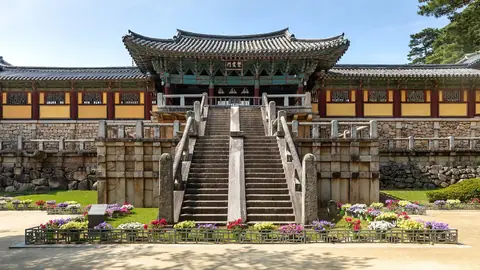
Bulguksa Temple and Seokguram, Gyeongju

Gyeongju, North Gyeongsang

Gyeongju was the capital of the Silla kingdom for nearly a thousand years and is called 'the museum without walls'.

Historic sites

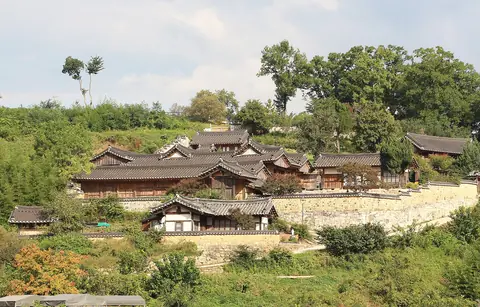
Yangdong Folk Village

Gyeongju, North Gyeongsang

A traditional clan village of the Joseon era, with more than 150 old houses spread over the hills, some dating back to the 15th century.

Historic sites

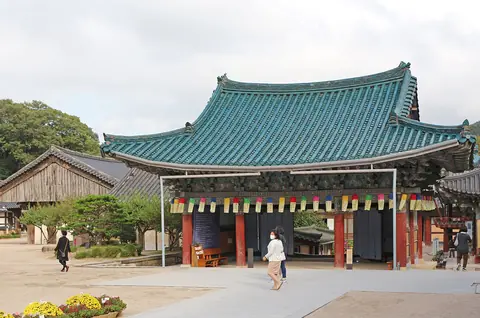
Tongdosa Temple

Yangsan, South Gyeongsang

One of Korea's three jewel temples, founded in 646 by the monk Jajang, who brought relics of the Buddha back from China.