Historic sites

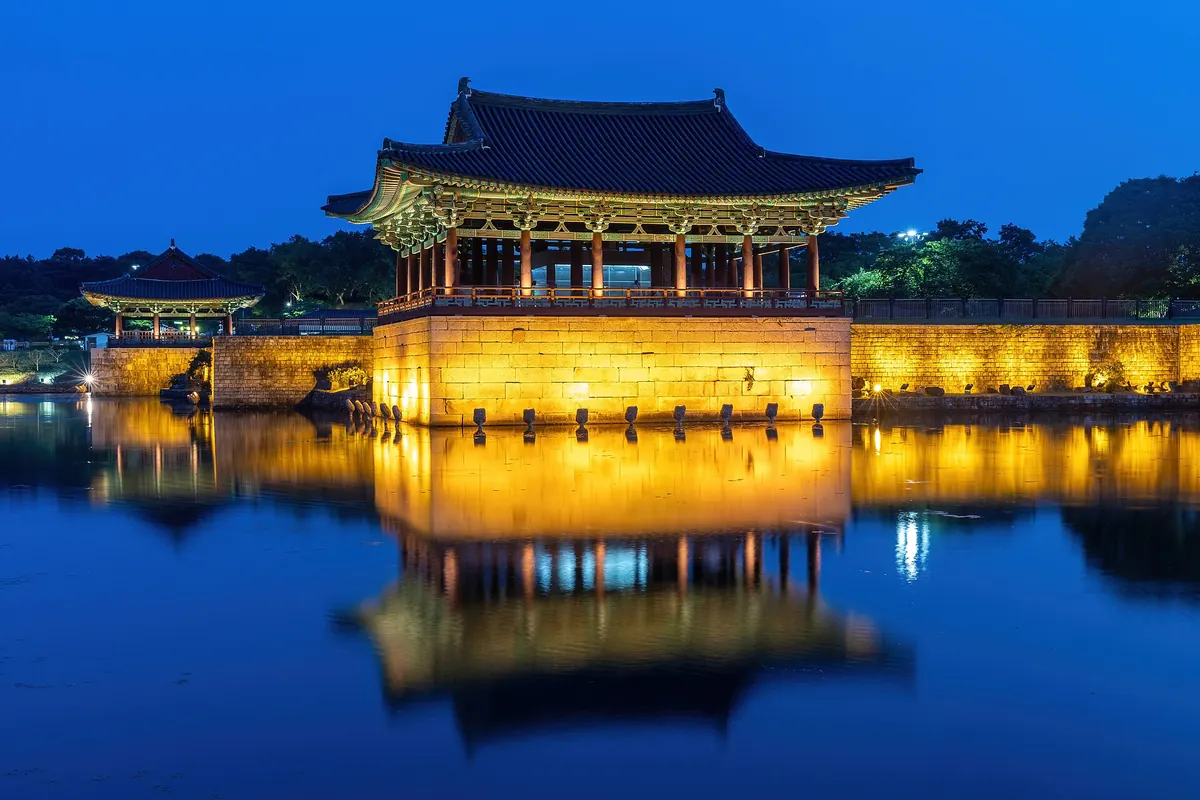
Donggung Palace and Wolji Pond, Gyeongju
South Korea North Gyeongsang Gyeongju

Donggung Palace and Wolji Pond, Gyeongju
Photo: Basile Morin, CC BY-SA 4.0, via Wikimedia Commons

The site of a Silla royal palace, built in 674, where the princes lived and banquets were held. The palace pavilions have been rebuilt on the shore of Wolji, an artificial pond with small islands, long known as Anapji.


It is best seen after dark, when the pavilions are lit up and reflected perfectly in the still water, one of the most beautiful sights in Korea. Many objects found in the pond during its excavation, from wooden dice to roof tiles, are now in the Gyeongju National Museum nearby.


It is open until late in the evening, and busiest around sunset. It is a short walk or cycle from Cheomseongdae and the royal tombs.
Comments

No comments yet.

Attractions

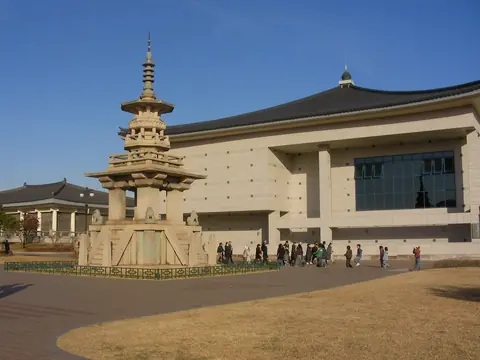
Gyeongju National Museum

Gyeongju, North Gyeongsang

The museum of the Silla kingdom, with treasures from a thousand years of Gyeongju's history as its capital.

Historic sites

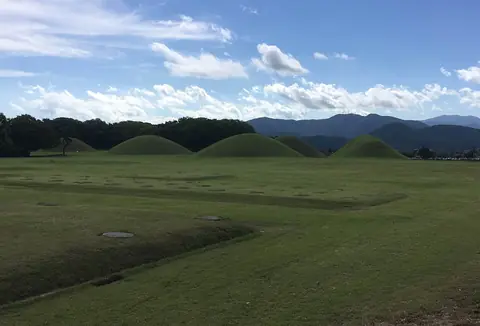
Gyeongju royal tombs and Cheomseongdae

Gyeongju, North Gyeongsang

Gyeongju was the capital of the Silla kingdom for nearly a thousand years, and its centre is scattered with the huge grassy burial mounds of its king…

Food and drink

Gyeongju bread (hwangnam-ppang)

Gyeongju, North Gyeongsang

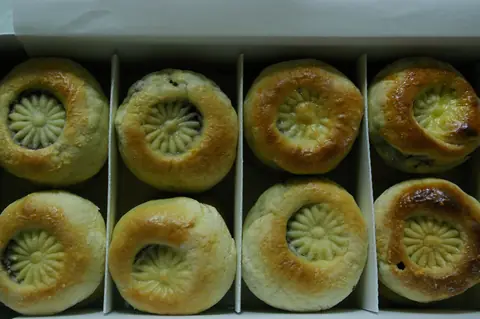
A small round pastry with a thin, golden crust and a sweet red bean filling, stamped with a pattern on top, made in Gyeongju since 1939.

Historic sites

Bulguksa Temple and Seokguram, Gyeongju

Gyeongju, North Gyeongsang

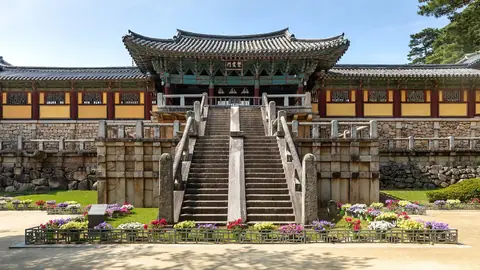
Gyeongju was the capital of the Silla kingdom for nearly a thousand years and is called 'the museum without walls'.

Historic sites

Yangdong Folk Village

Gyeongju, North Gyeongsang

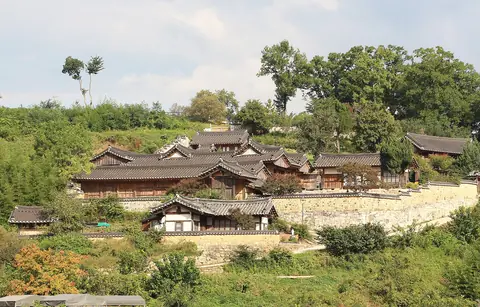
A traditional clan village of the Joseon era, with more than 150 old houses spread over the hills, some dating back to the 15th century.

Historic sites

Tongdosa Temple

Yangsan, South Gyeongsang

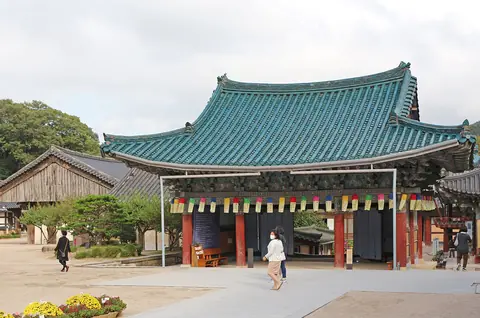
One of Korea's three jewel temples, founded in 646 by the monk Jajang, who brought relics of the Buddha back from China.