Food and drink
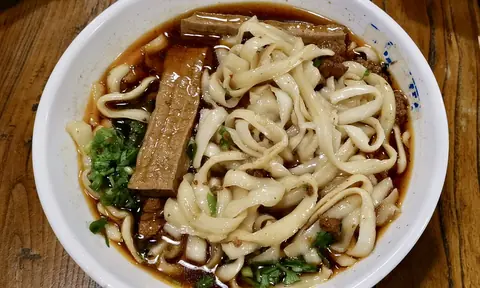
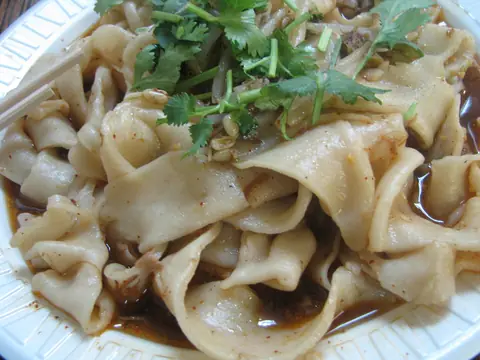
Biangbiang noodles
Xi’an, Shaanxi
Xi'an's belt-wide noodles: thick, hand-pulled ribbons of wheat dough as wide as a belt, slapped against the counter to stretch them (supposedly the '…
Xi'an's belt-wide noodles: thick, hand-pulled ribbons of wheat dough as wide as a belt, slapped against the counter to stretch them (supposedly the '…
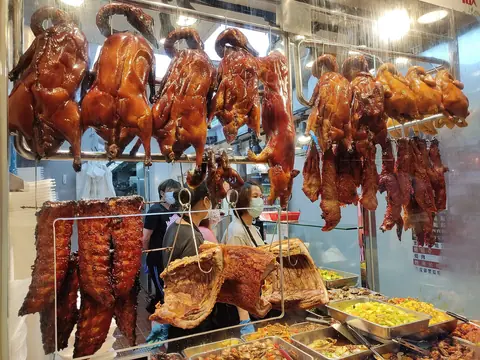
Look for shop windows hung with glossy roast meats: this is siu mei, one of the great tastes of Guangdong.
Chengdu is a city of snacks (xiaochi), and one of the best ways to eat here is to graze from small shop to small shop.
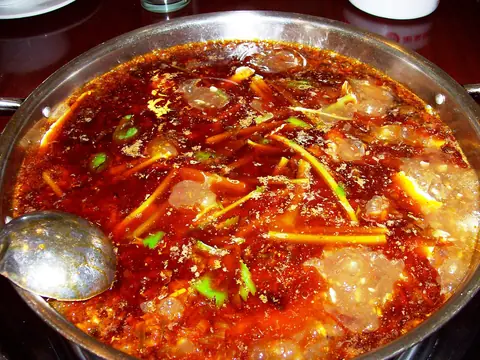
The fiery hotpot of Chongqing: a bubbling pot of beef tallow, dried chillies and Sichuan pepper in the middle of the table, into which you dip raw me…
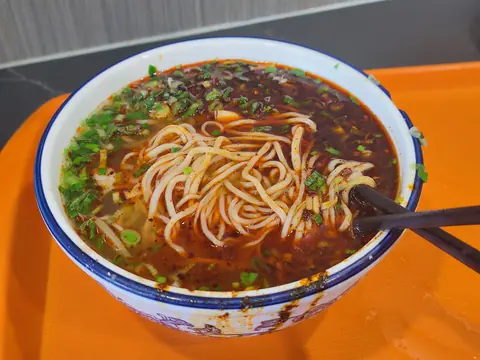
Lanzhou beef noodles (niurou lamian) are eaten for breakfast across Lanzhou, made by Hui Muslim cooks who pull each bowl of noodles by hand in seconds.
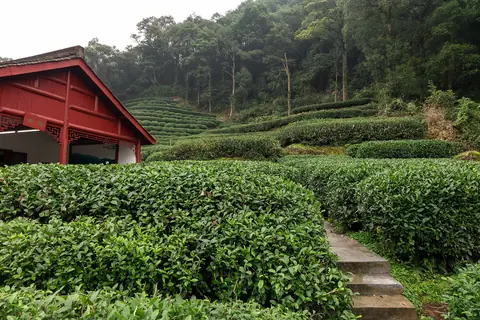
China's most famous green tea is grown on the hills around West Lake in Hangzhou.
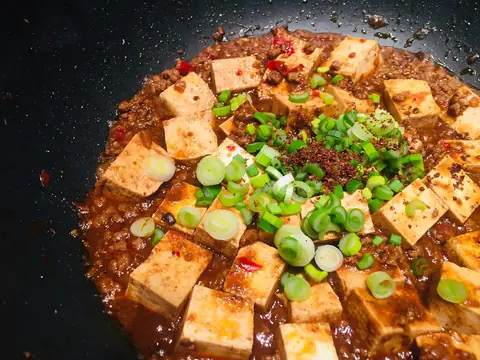
The best-known dish of Sichuan: soft tofu in a red, oily sauce with minced beef, fermented broad bean paste, chilli and lots of ground Sichuan pepper.
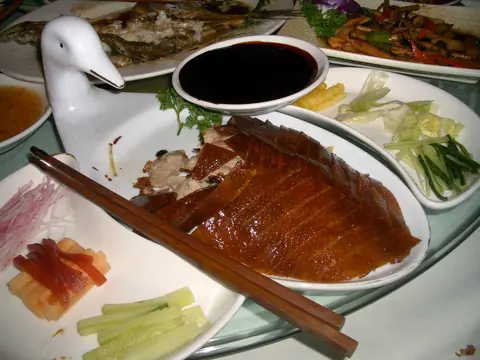
Beijing's most famous dish: a duck roasted until the skin is thin, crisp and glossy, carved at the table into dozens of slices.
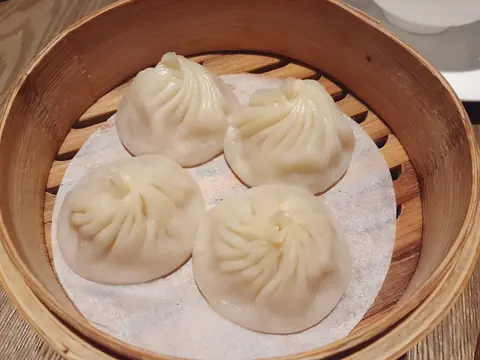
Shanghai's famous soup dumplings: small steamed buns with thin, pleated skins wrapped around minced pork and a hot, rich broth.
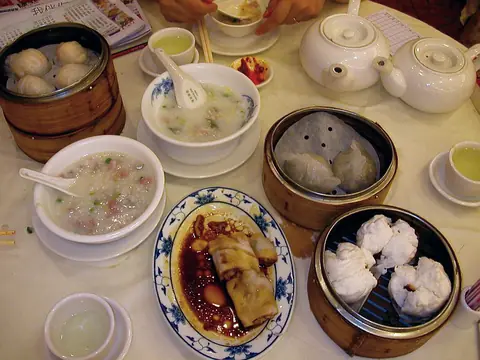
Yum cha, 'drinking tea', is the Cantonese ritual of tea with small dishes of dim sum, and Guangzhou is the place it began.
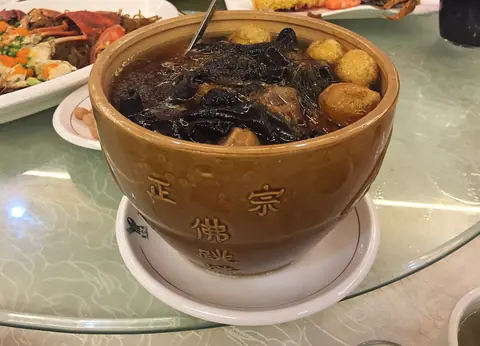
Fuzhou's grandest dish is a rich, slow-cooked soup of luxury ingredients, such as abalone, sea cucumber, scallops, fish maw, ham, chicken, mushrooms …
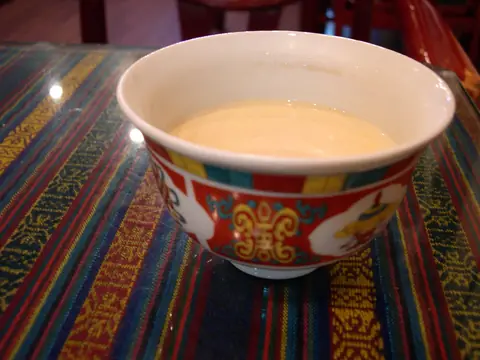
Tibetans drink butter tea (po cha) all day: strong tea churned with yak butter and salt into a rich, savoury drink, a little like soup.
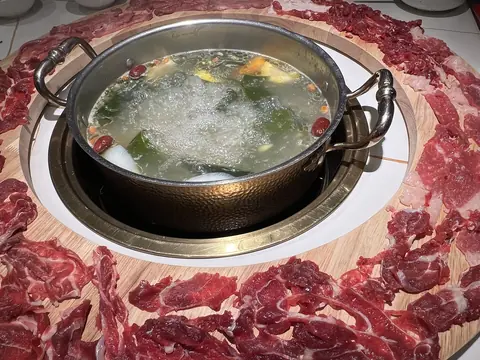
In the Chaoshan region of eastern Guangdong, beef hotpot is all about freshness.
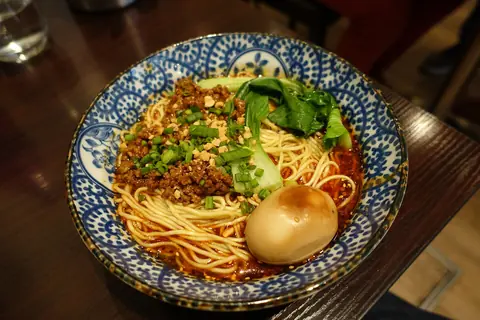
Chongqing starts the day with a bowl of xiaomian, 'small noodles': plain wheat noodles in a sauce of chilli oil, Sichuan pepper, soy, garlic, ground …
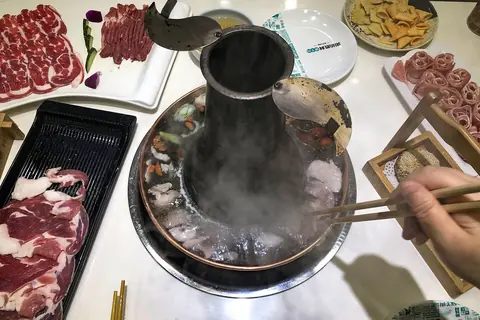
Beijing's way of eating hotpot: a tall copper pot with a charcoal chimney in the middle and a ring of plain, mild broth around it.
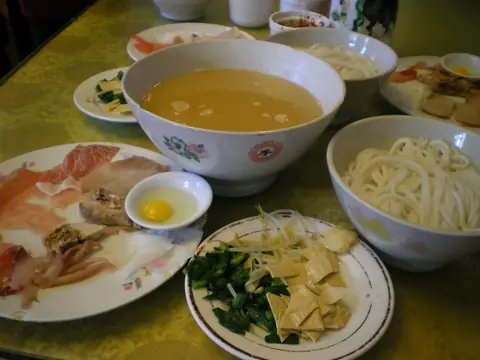
Yunnan's best-known dish arrives as a do-it-yourself feast: a big bowl of scalding hot chicken broth sealed with a layer of oil, with lots of small p…
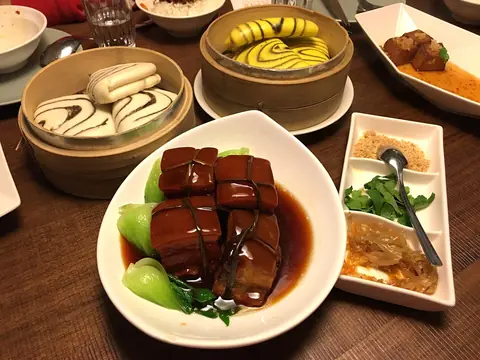
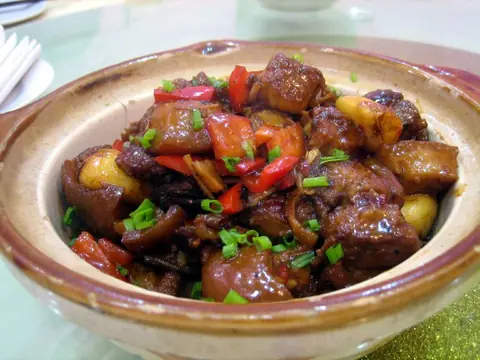
Hangzhou's cooking is light, fresh and a little sweet, and its best-known dish is Dongpo pork: thick squares of pork belly slowly braised in yellow r…
A saying in northern China goes: 'in heaven there is dragon meat, on earth there is donkey meat.' The best way to try it is lurou huoshao, the donkey…
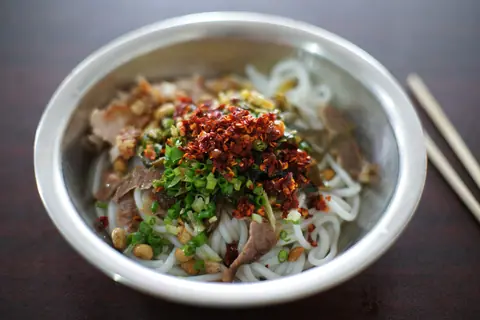
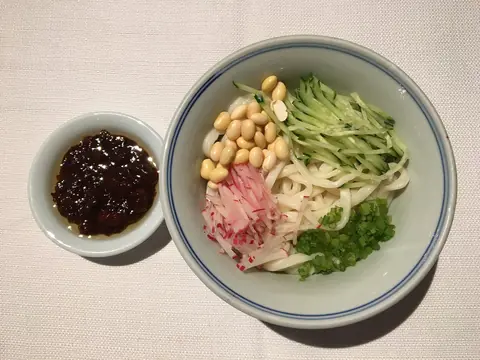
The breakfast of Guilin: soft, round rice noodles topped with slices of braised beef or pork, crisp fried soybeans or peanuts, pickled beans, spring …
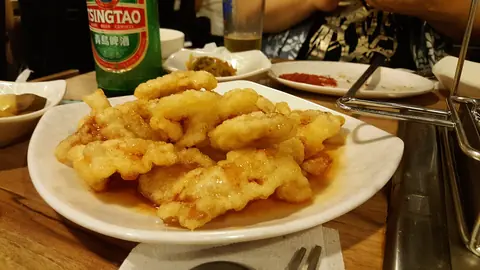
Harbin's best-known dish is guo bao rou: thin slices of pork fried until crisp, then tossed in a bright sweet and sour sauce with ginger, carrot and …
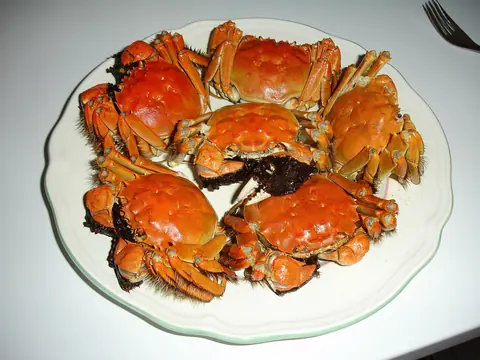
Every autumn, much of eastern China goes crazy for the Chinese mitten crab, called hairy crab for the fur on its claws.
China's best-known wine region lies in the desert of Ningxia, along the eastern foothills of the Helan Mountains near Yinchuan.
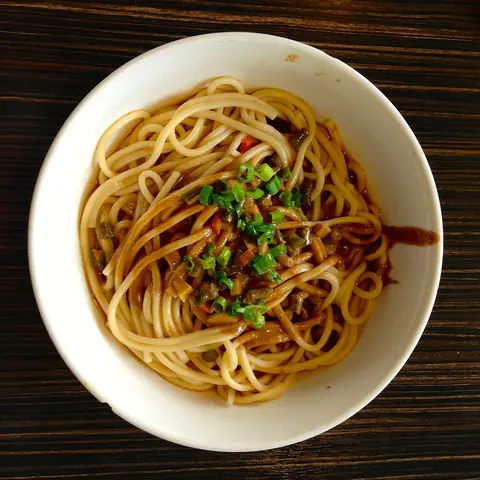
Wuhan's breakfast is hot dry noodles: chewy alkaline wheat noodles, boiled briefly and tossed in a thick sesame paste with soy, chilli oil, pickled r…
The misty hills around Huangshan, the Yellow Mountain, grow Huangshan Maofeng, one of China's famous green teas, with fine, downy leaves and a light,…
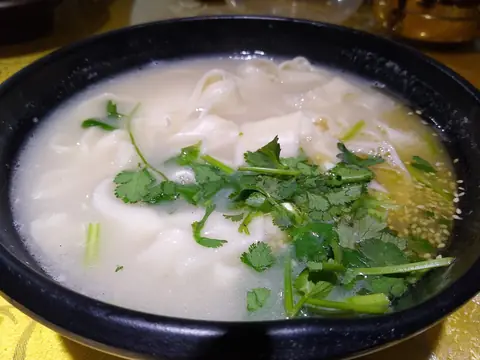
Henan's favourite noodle dish is hui mian: wide, hand-stretched wheat noodles cooked in a rich mutton broth made by simmering bones for hours, with s…
Hunan food is some of the hottest in China.
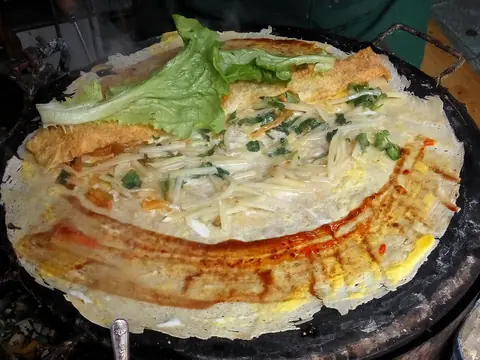
Tianjin's favourite breakfast, made to order on a hot round griddle at street stalls.
Shanxi is the home of Chinese noodles, with hundreds of kinds.
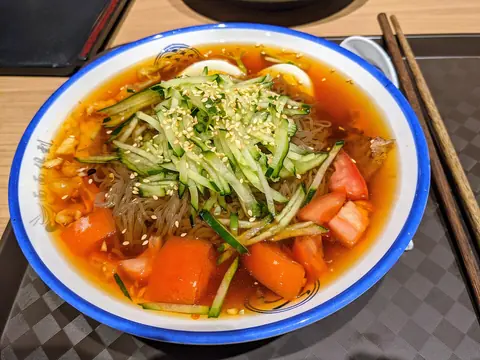
Yanji is the capital of the Yanbian Korean Autonomous Prefecture, close to the borders with North Korea and Russia, and many of its people are ethnic…
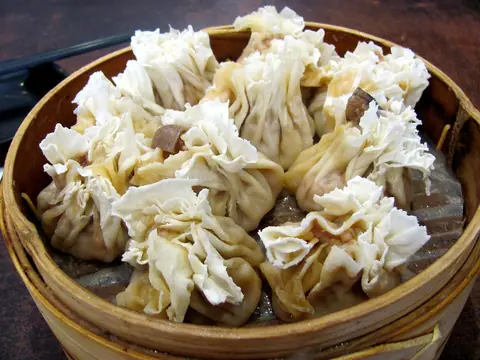
Hohhot, the capital of Inner Mongolia, claims to be the home of shaomai, the open-topped dumplings now found in dim sum restaurants everywhere.
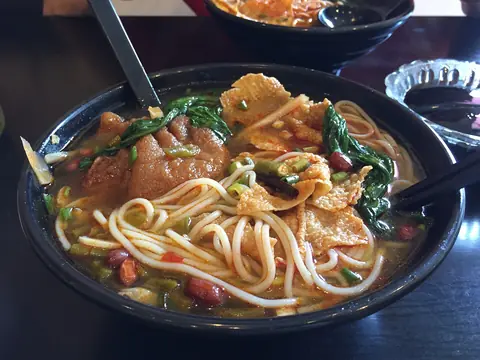
Liuzhou's famous noodle soup is known across China for its smell, which comes from fermented bamboo shoots.
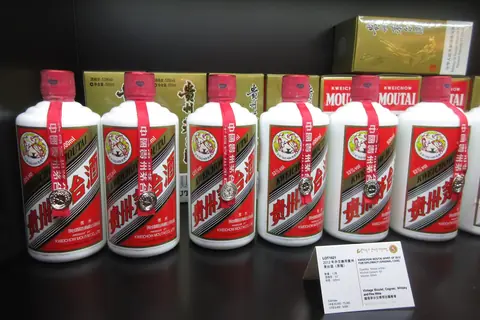
Baijiu, a strong clear spirit usually distilled from sorghum, is China's national drink and is served at banquets and business dinners across the cou…
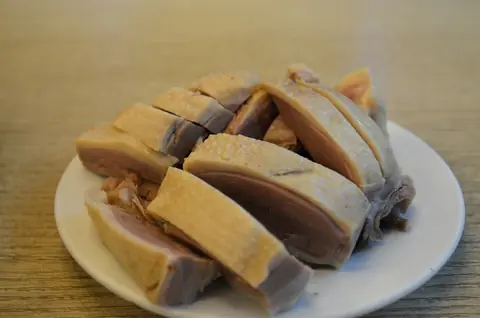
Nanjing is a city of ducks, and its best-known dish is salted duck (yanshui ya): a duck cured with salt and spices, then gently poached so the skin i…
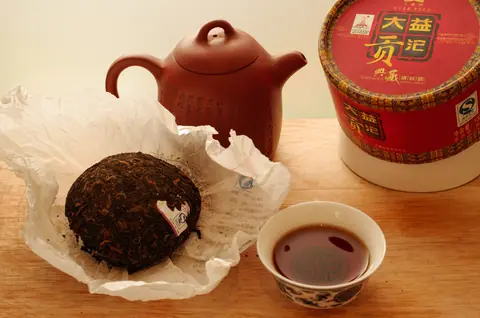
Pu'er is a fermented tea from southern Yunnan, pressed into round cakes and aged, sometimes for decades, like wine.
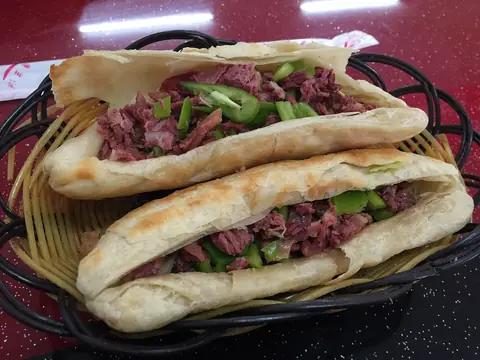
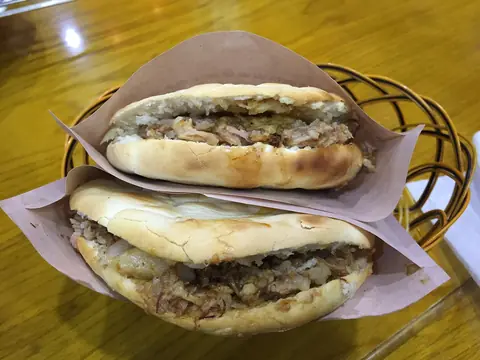
Sometimes called the Chinese hamburger, roujiamo is a crisp, round flatbread cut open and stuffed with finely chopped, slowly stewed meat.
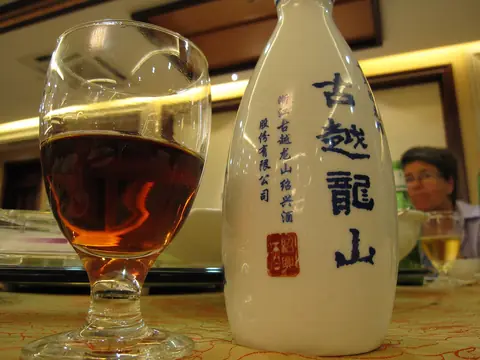
Shaoxing, an old canal town an hour from Hangzhou, has made yellow rice wine (huangjiu) for more than 2,000 years.
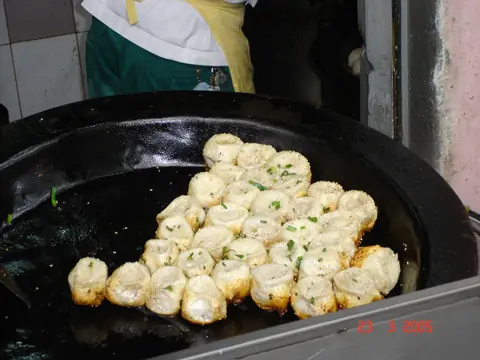
Shanghai's favourite breakfast: soft, yeasty pork buns fried in huge flat iron pans until the bottoms are golden and crisp, then scattered with sesam…
Shunde, a district of Foshan just south of Guangzhou, is famous across China for its cooks and was named a UNESCO City of Gastronomy in 2014.
South-eastern Guizhou is home to the Miao and Dong peoples, and their best-known dish is sour soup fish (suantang yu): a whole fish cooked at the tab…
Qingdao, a seaside city in Shandong, is home to Tsingtao, China's best-known beer, first brewed here in 1903 by German and British settlers when the …
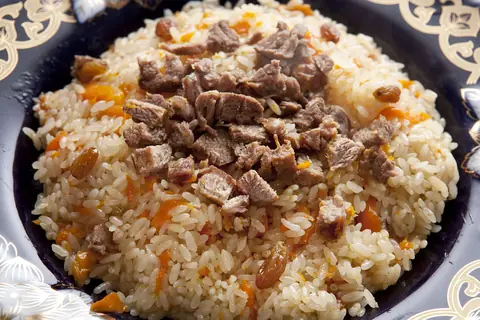
The food of the Uyghur people of Xinjiang, in China's far west, is closer to Central Asia than to the rest of China, based on lamb, wheat and spices …
The original of Hainanese chicken rice, famous in Singapore and Malaysia, comes from Wenchang on the north-east coast of Hainan.
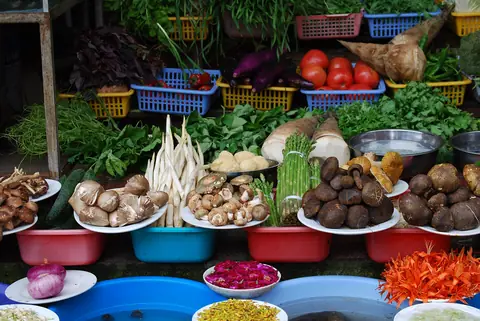
Yunnan grows more kinds of edible wild mushrooms than anywhere else in China, and during the rainy season, roughly June to September, the whole provi…
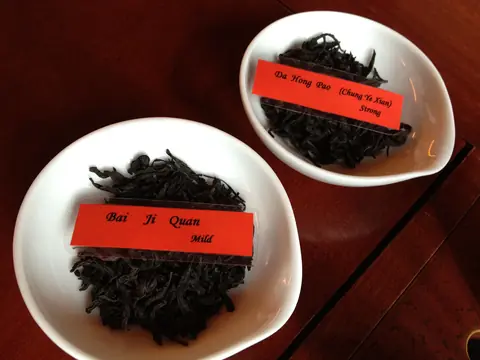
The mountains of Wuyi, in northern Fujian, grow some of China's most famous oolong teas, called rock teas because the bushes grow in rocky valleys an…
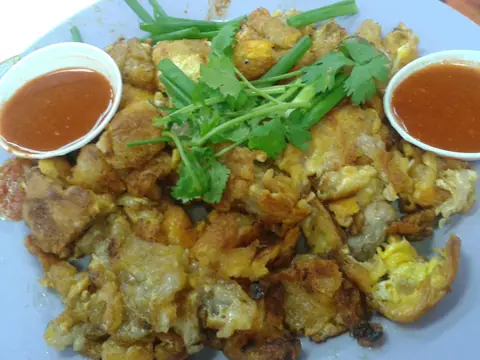
Xiamen, a seaside city in southern Fujian, is known for its seafood snacks.
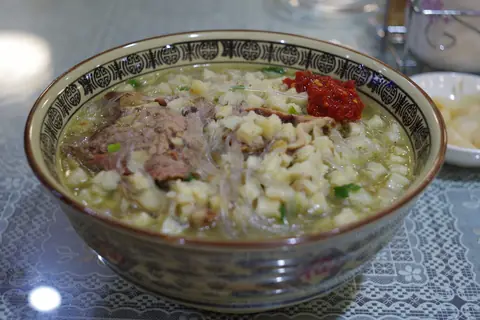
The great dish of Xi'an's Muslim Quarter.
Beijing's everyday noodle dish: thick, chewy wheat noodles topped with a dark, salty sauce of fermented soybean paste fried with minced pork.