Food and drink

Chongqing hotpot

China Chongqing Chongqing

Chongqing hotpot
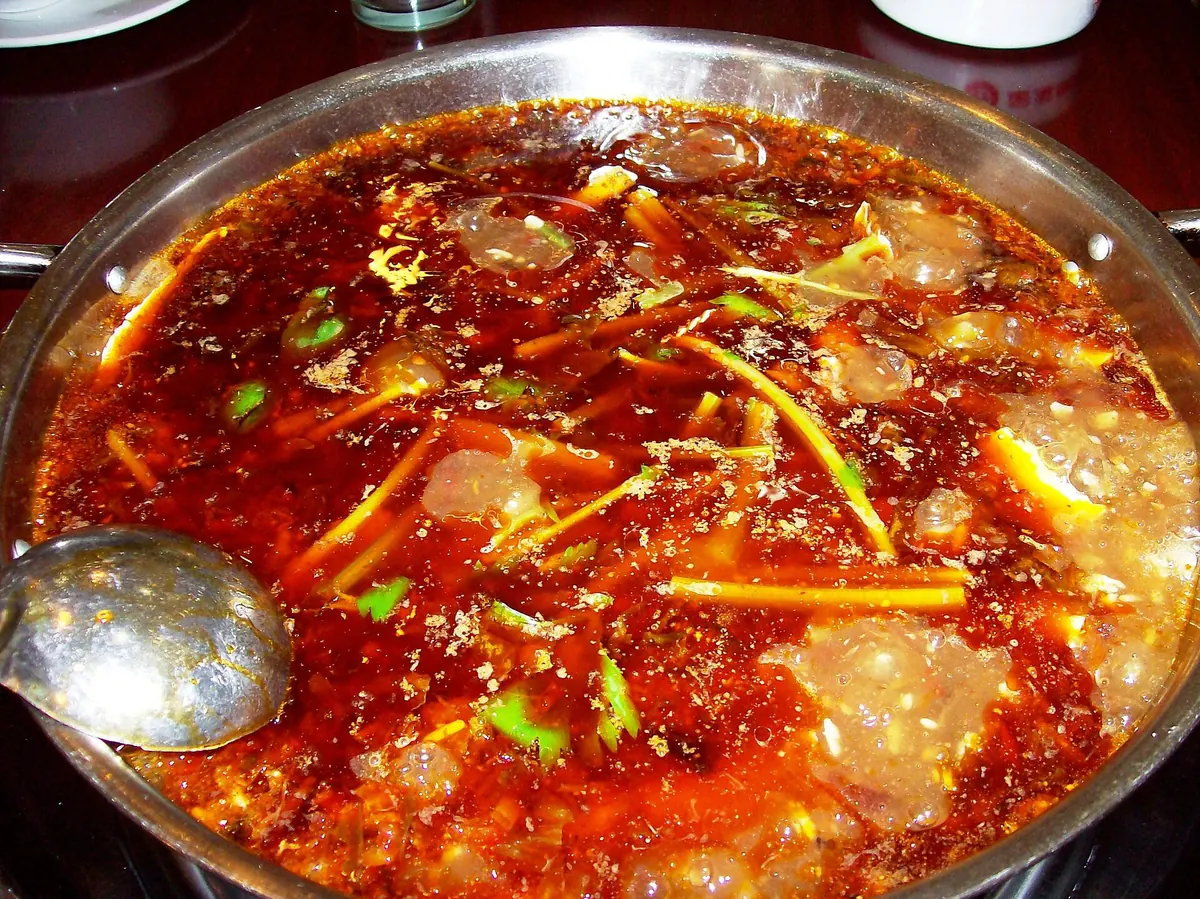
Photo: Hawyih, Public domain, via Wikimedia Commons

The fiery hotpot of Chongqing: a bubbling pot of beef tallow, dried chillies and Sichuan pepper in the middle of the table, into which you dip raw meat, offal and vegetables. Favourites include beef tripe, duck intestines, goose intestines, thinly sliced beef, lotus root, potato and tofu skin.


Each item needs only a short time in the boiling broth; tripe is dipped up and down 'seven times up, eight times down' and is ready in about 15 seconds. Cool everything in a dipping bowl of sesame oil with garlic and coriander.


If the heat is too much, order a split pot (yuanyang guo) with a mild broth on one side. Chongqing is famous for its hotpot restaurants in old air raid shelters, open late, and summer evenings eating hotpot outdoors in the heat.
Comments

No comments yet.

More tips nearby

All tips for China
Food and drink

Chongqing xiaomian (spicy breakfast noodles)

Chongqing

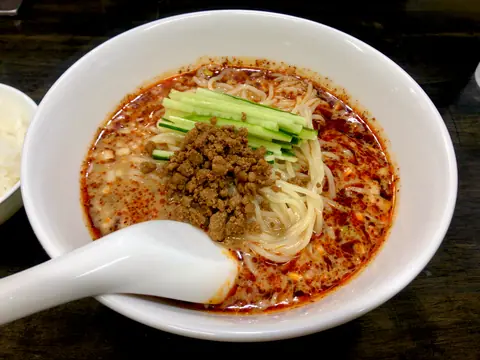
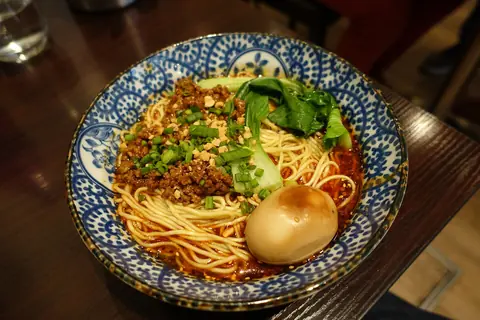
Chongqing starts the day with a bowl of xiaomian, 'small noodles': plain wheat noodles in a sauce of chilli oil, Sichuan pepper, soy, garlic, ground …

Food and drink

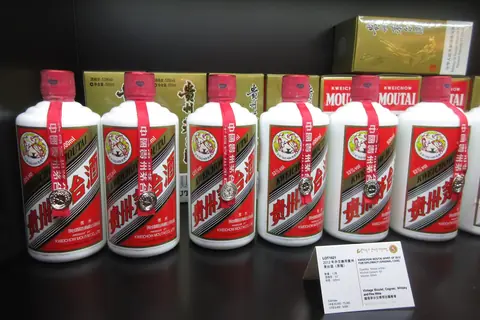
Moutai and baijiu

Guizhou

Baijiu, a strong clear spirit usually distilled from sorghum, is China's national drink and is served at banquets and business dinners across the cou…

Food and drink

Mapo tofu

Chengdu, Sichuan

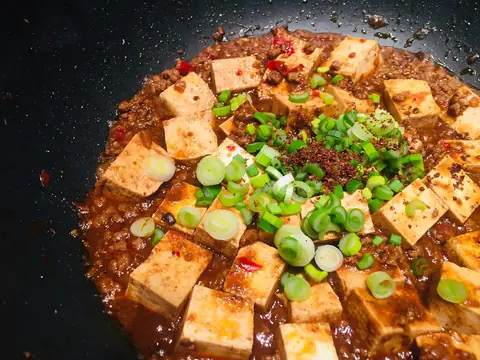
The best-known dish of Sichuan: soft tofu in a red, oily sauce with minced beef, fermented broad bean paste, chilli and lots of ground Sichuan pepper.

Food and drink

Chengdu street snacks

Chengdu, Sichuan

Chengdu is a city of snacks (xiaochi), and one of the best ways to eat here is to graze from small shop to small shop.

Attractions

Chengdu Giant Panda Base

Chengdu, Sichuan

A research and breeding centre for giant pandas in a large bamboo park in Chengdu, where you can see adult pandas, cubs and red pandas.

Historic sites

Leshan Giant Buddha

Wutongqiao, Sichuan

The world's largest stone Buddha, 71 m tall, carved into a red sandstone cliff where three rivers meet, in the 8th century.