Food and drink

Pu'er tea

China Yunnan

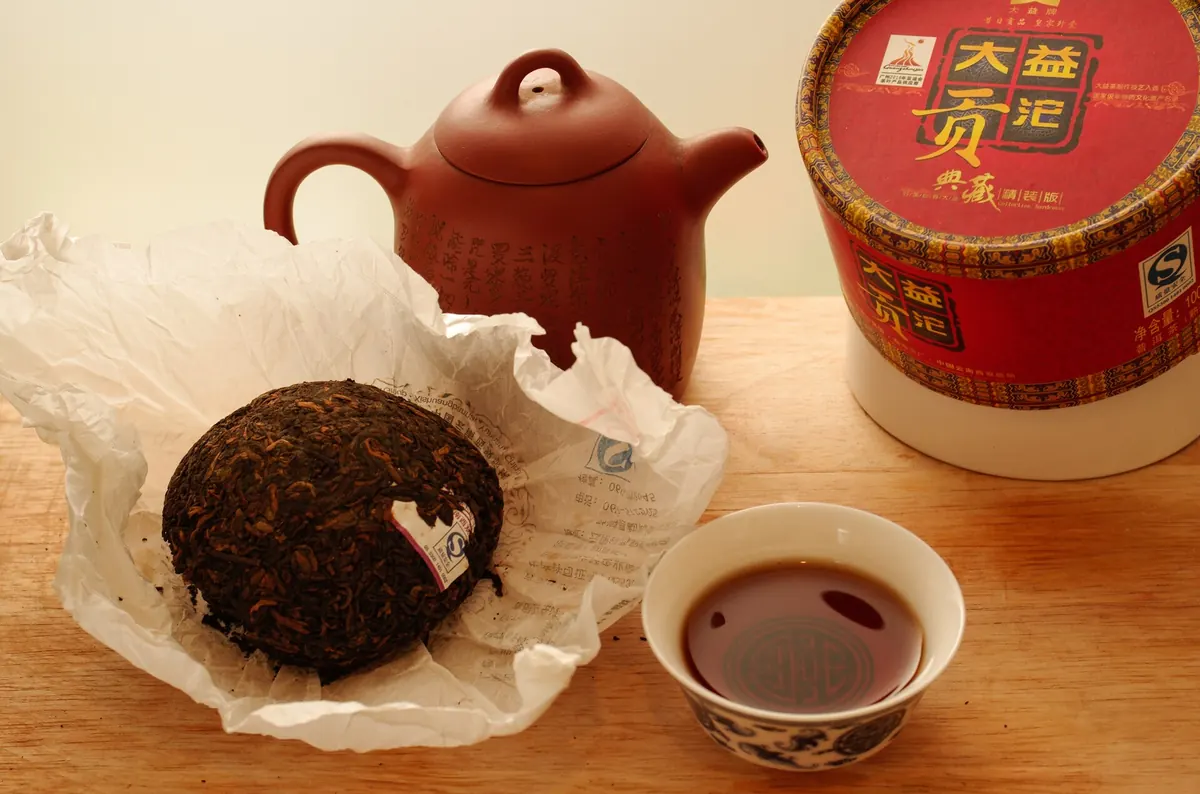
Pu'er tea
Photo: Copypaiste, CC BY-SA 3.0, via Wikimedia Commons

Pu'er is a fermented tea from southern Yunnan, pressed into round cakes and aged, sometimes for decades, like wine. It has an earthy, smooth taste, and old cakes can sell for very high prices.


There are two kinds: raw (sheng), which ages naturally and changes over the years, and ripe (shu), which is fermented quickly and has a darker, mellower taste. It is named after the town of Pu'er, from where it was traded for centuries along the Tea Horse Road to Tibet.


Visit the tea mountains of Xishuangbanna and Pu'er, where some tea trees are hundreds of years old, or taste it in tea shops in Kunming and Dali. Tea sellers will happily brew a few cups for you to try. Fake and overpriced 'aged' tea is common, so buy for taste rather than age.
Comments

No comments yet.

More tips nearby

All tips for China
Food and drink

Wild mushrooms in Yunnan

Yunnan

Yunnan grows more kinds of edible wild mushrooms than anywhere else in China, and during the rainy season, roughly June to September, the whole provi…

Food and drink

Crossing-the-bridge noodles

Kunming, Yunnan

Yunnan's best-known dish arrives as a do-it-yourself feast: a big bowl of scalding hot chicken broth sealed with a layer of oil, with lots of small p…

Historic sites

Old Town of Lijiang

Gucheng, Yunnan

An old town of the Naxi people, with cobbled lanes, wooden houses and canals, at the foot of the Jade Dragon Snow Mountain, a UNESCO World Heritage S…

Walks and treks

Tiger Leaping Gorge

Yunnan

A deep gorge where the Jinsha River (upper Yangtze) races between the Jade Dragon and Haba snow mountains, up to 3,900 m deep.

Food and drink

Moutai and baijiu

Guizhou

Baijiu, a strong clear spirit usually distilled from sorghum, is China's national drink and is served at banquets and business dinners across the cou…

Historic sites

Leshan Giant Buddha

Wutongqiao, Sichuan

The world's largest stone Buddha, 71 m tall, carved into a red sandstone cliff where three rivers meet, in the 8th century.