
Money in China: cash, cards, ATMs and tipping
Most people in China pay with their phone, but visitors should carry some cash and a card too. Here's how money works, and how to get and spend it.
The currency
- China's currency is the yuan, also called the renminbi (RMB, CNY) and written ¥ or 元. In speech it's often called kuai (块).
- Notes are 1, 5, 10, 20, 50 and 100 yuan, and there are 1 yuan coins and smaller jiao coins (10 jiao = 1 yuan).
- Hong Kong and Macau have their own currencies, and yuan aren't always accepted there.
How to pay
- Your phone: Alipay or WeChat Pay, linked to a card from home, work almost everywhere, from big stores to street stalls. See WeChat Pay and Alipay: paying with your phone in China.
- Cards: hotels, airports, big shops, chain restaurants and major sights increasingly take foreign Visa and Mastercard, but small places usually don't. UnionPay cards are accepted almost everywhere.
- Cash: should be accepted everywhere by law, but many small places rarely see it and may not have change. Keep some small notes for markets, rural areas, and in case your phone or card won't work.
Getting cash
- ATMs at big banks, such as Bank of China, ICBC and China Construction Bank, take foreign Visa and Mastercard cards. Look for the card logos on the machine. You can take out up to ¥3,000 at a time, and your own bank sets the daily limit and any fees.
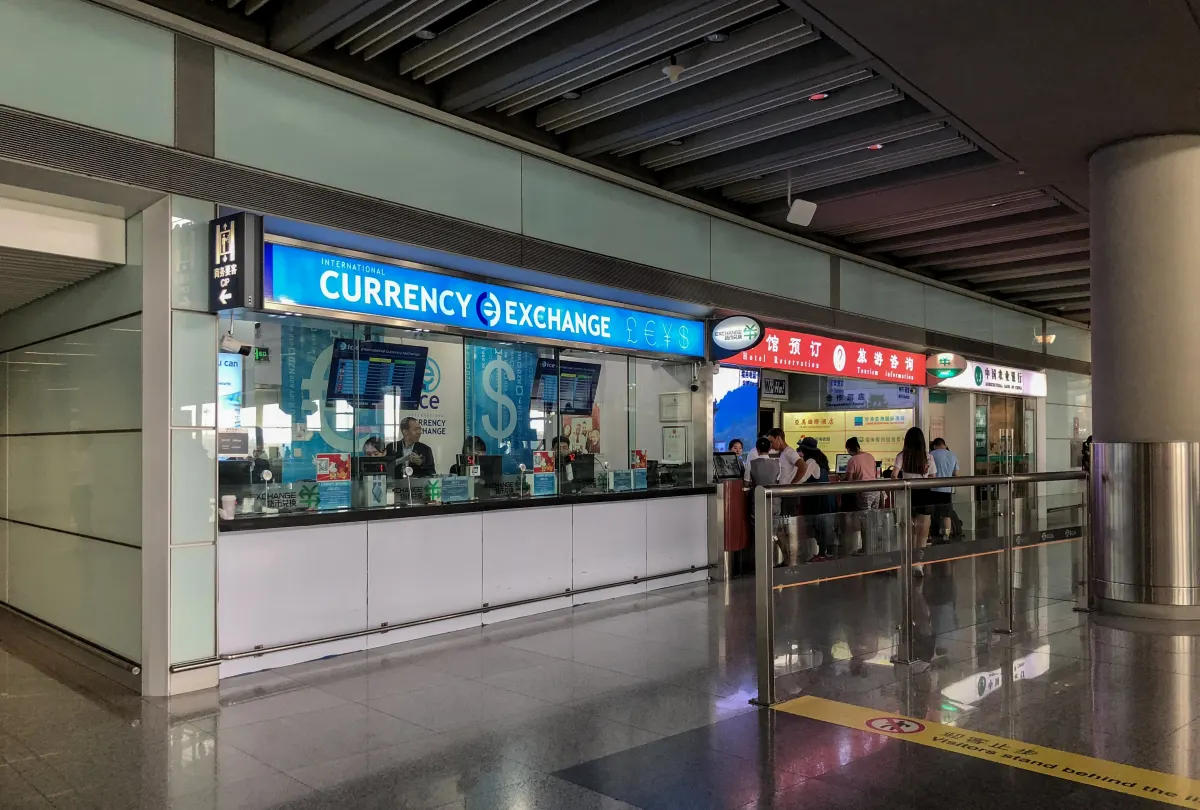
- Changing money: at banks (bring your passport and allow time), at the airport, or at big hotels. Rates at the airport are usually worse.
- Bring a little cash in yuan if you can, for your first taxi or meal.
- Use a card with low foreign fees, and tell your bank you're travelling, so it doesn't block your card.
Prices and tipping
- Tipping isn't expected in China, in restaurants, taxis or hotels. Tour guides and drivers on private tours are the exception, where a tip is welcome.
- Prices in shops and restaurants are fixed. In markets and small shops for souvenirs, bargaining is normal: start low, stay friendly, and walk away if the price isn't right.
- Ask for a receipt (发票, fapiao) if you need one for work.
Tax refunds
Visitors can claim back some of the VAT on goods bought at shops showing a "Tax Free" sign, if they spend at least ¥200 in one shop on one day and take the goods out of China within 90 days. Ask the shop for the refund form, and have it stamped by customs at the airport before you check in. Many shops can also give you the refund straight away.

Comments
No comments yet.