
Temple etiquette in Bali, and the rules for visitors
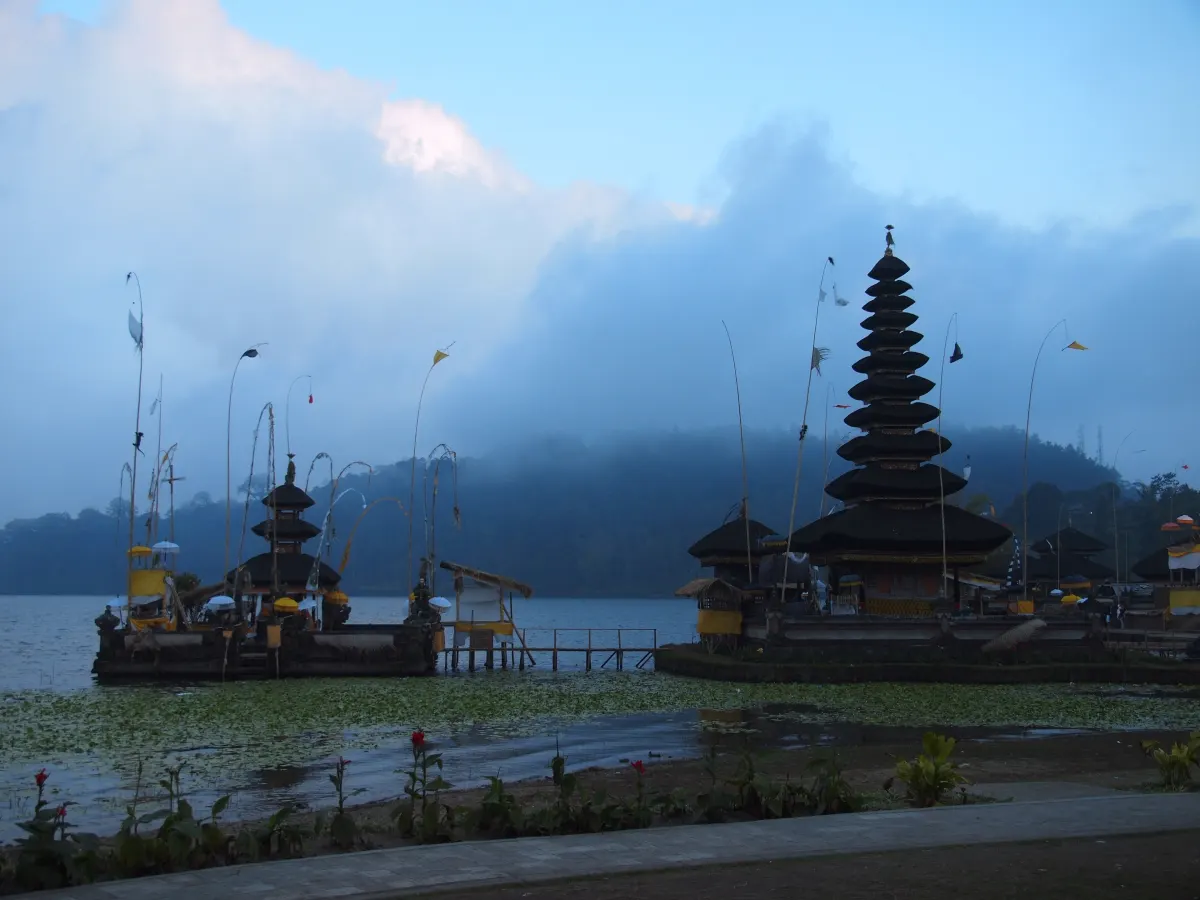
Bali is a deeply Hindu island, where daily offerings sit on every doorstep and ceremonies close roads. A little knowledge of temple etiquette goes a long way, and some of the rules are enforced.
Temples
- Wear a sarong and sash to enter a temple, and cover your shoulders. Most big temples lend or rent them at the entrance, but carrying your own is easier.
- Don't climb on shrines, walls or statues, or sit higher than the priest, and don't step over or on offerings (the small palm-leaf baskets of flowers on the ground). Don't touch people's heads.
- Some inner courtyards are only for people praying: if a sign or a guardian says you can't go in, don't.
- Traditionally, women who are menstruating, and people with open wounds, are asked not to enter temples; signs at the entrance say so.
- During a ceremony, keep to the side, don't walk in front of people praying, and don't use flash. Ask before photographing people, and never use a drone over a temple without permission.
- Bali's most visited temples include Tanah Lot, Uluwatu, Tirta Empul, Ulun Danu Beratan and Besakih, the mother temple on the slopes of Mount Agung. Unofficial guides at Besakih can be pushy: agree any price first.
The rules for visitors
After a string of incidents involving tourists, the Governor of Bali issued a list of rules for foreign visitors in 2025. Most are common sense, but people have been deported for breaking them:
- Respect temples, sacred trees and other holy places: no climbing them, and no nude or disrespectful photos at them.
- Dress modestly away from the beach: don't walk round town, shops or temples in swimwear.
- Pay in rupiah, and change money only at licensed money changers.
- Don't use single-use plastic bags, straws or bottles where you can avoid them, and don't drop litter.
- Obey the traffic rules, and only ride or drive with a valid licence.
- Stay in licensed accommodation, and don't work or run a business on a tourist visa.
- Don't swear at, or behave aggressively towards, people, officials or other visitors.
See Laws visitors need to know in Indonesia for the laws that apply in the rest of the country too.
See also where to stay in Bali and Nyepi and festivals.



Comments