
Safety in Indonesia: volcanoes, earthquakes, rip currents and crime
Indonesia is mostly a safe country for visitors. The sea and the scooter hurt far more people than the volcanoes do, but it's worth knowing what to do about all of them.
Rip currents and the sea
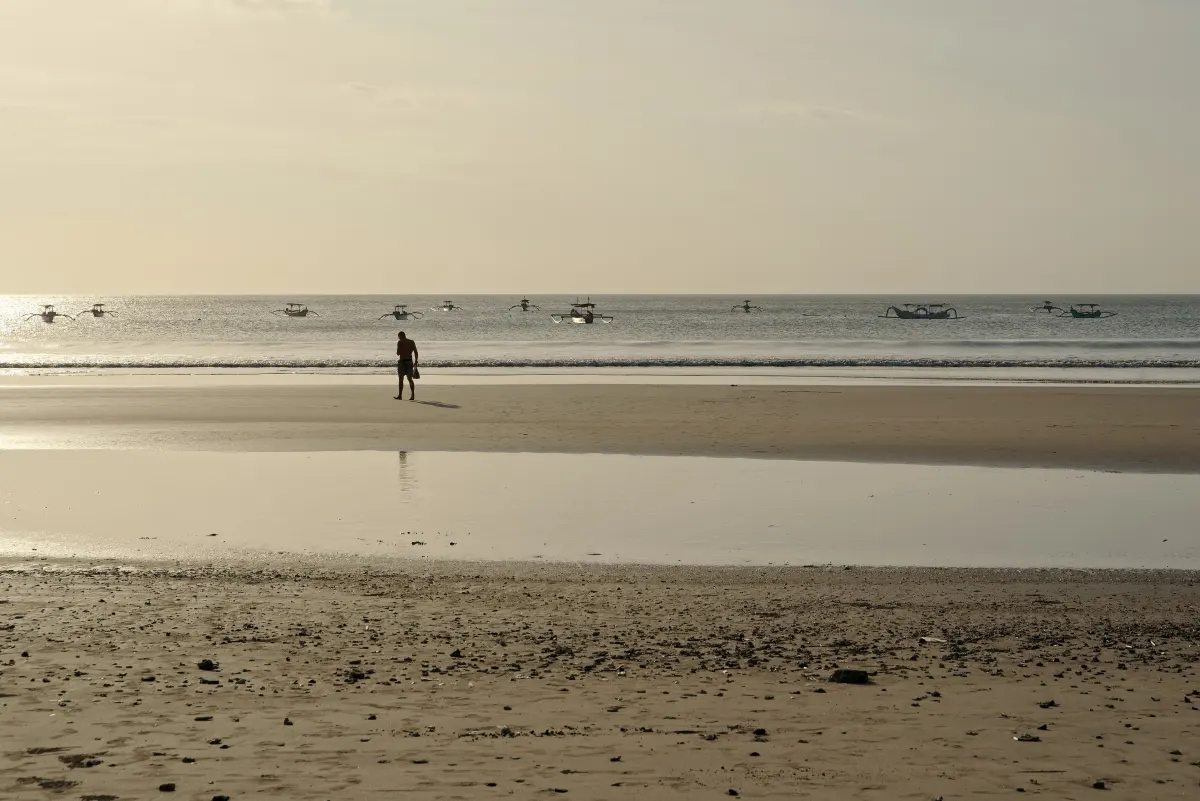
- Bali's west and south coast beaches, including Kuta, Legian, Seminyak, Canggu and many around Uluwatu, have big surf and strong rip currents, which drown visitors every year. Lombok's south coast is similar.
- Swim between the red and yellow flags, where lifeguards are on duty, and never where a red flag is flying. Many beaches have no lifeguards.
- If you're caught in a rip, don't swim against it: float, raise an arm for help, and swim parallel to the beach until you're out of it.
- For calm swimming, try Sanur, Nusa Dua, or the Gilis, but watch for currents between the Gili islands, and boats.
- For diving and snorkelling, see Diving and snorkelling.
Scooters and crime
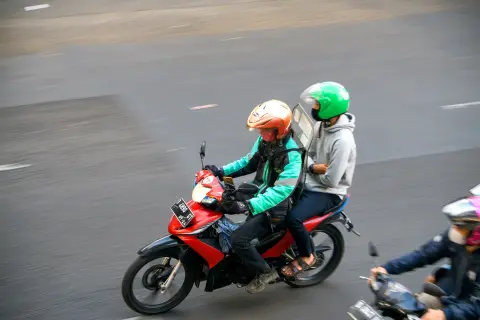
- Scooters: motorbike accidents are the most common cause of serious injury to visitors. See Getting around Indonesia.
- Crime: bag-snatching from motorbikes happens in Bali; carry bags on the side away from the road. Sexual assault, and drink spiking, have been reported in Bali, Lombok and the Gilis.
Volcanoes
Indonesia has more than 120 active volcanoes, and several erupt every year. Eruptions of Lewotobi on Flores, and of others, have closed Bali's and Lombok's airports for days at a time.
- The volcano agency (PVMBG) gives each volcano an alert level: Level I (Normal), Level II (Waspada, advisory), Level III (Siaga, watch) and Level IV (Awas, warning). From Level II up, there's an exclusion zone round the crater, which gets bigger as the level rises.
- Check the level on MAGMA Indonesia (in Indonesian, but the map is easy to follow) before you climb a volcano, and never go inside an exclusion zone, even if a guide offers to take you.
- Volcanic ash can drift well beyond the exclusion zone, and mud flows (lahars) can run down valleys after rain. If there's ash, wear a mask and goggles.
- If an eruption closes airports, flights are cancelled, not delayed: check with your airline, and have travel insurance that covers it.
- See Volcano hikes in Indonesia for Bromo, Ijen, Rinjani and Batur.
Earthquakes and tsunamis
- Earthquakes are frequent. In a strong one, drop, take cover under a sturdy table and hold on, away from windows. Outside, keep away from buildings and power lines.
- If you're on the coast and feel a strong earthquake, or one that lasts a long time, move to high ground or inland at once: a tsunami can arrive within minutes, before any official warning. Follow tsunami evacuation signs.
- Install the Info BMKG app from Indonesia's weather and earthquake agency, which sends earthquake and tsunami warnings.
Emergency numbers
112 for general emergencies, 110 police, 118 or 119 ambulance, 113 fire. In Bali, there's also a tourist police service.
See also health.

Comments