
Volcano hikes in Indonesia: Bromo, Ijen, Rinjani and Batur, with permits, guides and safety
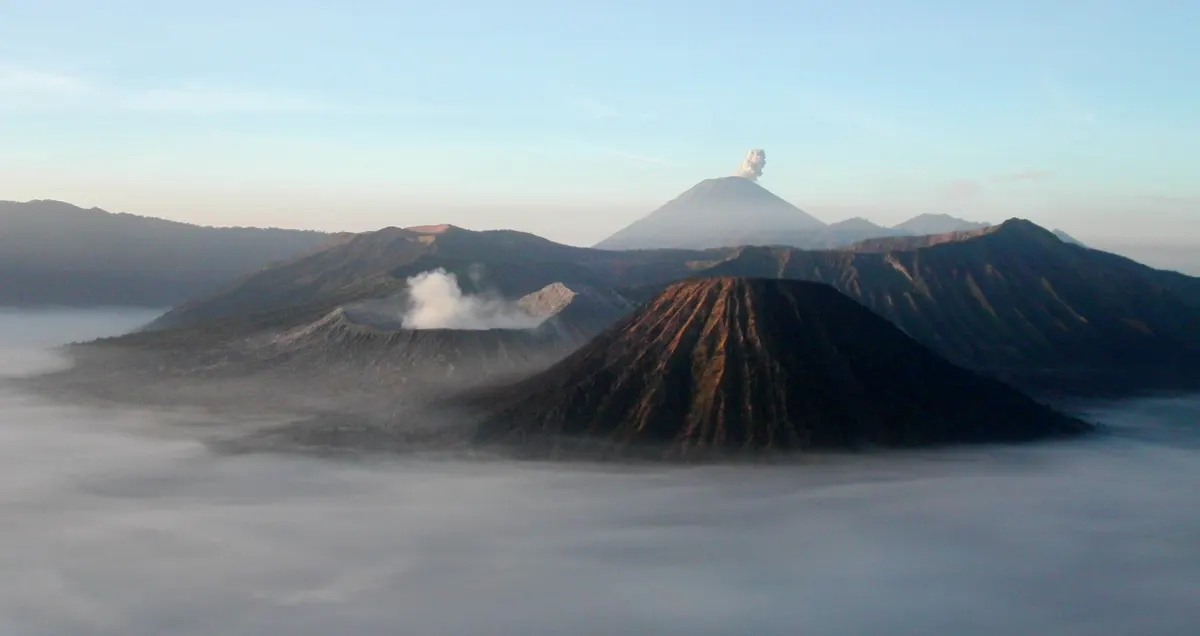
Climbing a volcano, usually in the dark to reach the top for sunrise, is one of the highlights of a trip to Indonesia. The four most popular are easy to arrange with a tour or a local guide, but each has its own rules, and all are active volcanoes that can close at short notice because of eruptions, fires or the weather.
Before any volcano hike
- Check the alert level on MAGMA Indonesia, and the national park's announcements (usually on Instagram) for closures. See Health and safety for what the levels mean.
- Go with a licensed guide, or a reputable tour; on Rinjani and Batur it's compulsory.
- Bring warm clothes (it can be near freezing at the top before dawn), a head torch, water, snacks, and good shoes with grip: the volcanic sand and gravel is slippery, especially coming down.
- Check your travel insurance covers trekking at altitude.
- The dry season, roughly April to October, is the best time. See Weather and when to go.
Mount Bromo, East Java
- Bromo is a smoking crater in a vast caldera filled with a "sea of sand", in the Bromo Tengger Semeru National Park. The classic trip is a jeep before dawn up to a viewpoint (such as Penanjakan or King Kong Hill) for sunrise over Bromo, with Semeru, Java's highest mountain, puffing behind, then across the sand to climb the steps to Bromo's crater rim.
- Tickets: entry tickets must be bought online in advance, on the park's site, bromotenggersemeru.id, with a daily limit on visitors. Tours usually include them; check that yours does.
- Most people stay in Cemoro Lawang, on the caldera rim, or come up from Malang or Probolinggo. Jeep tours leave around 3 a.m.
- The park closed for nearly two weeks in August 2026 because of wildfires, and fires have closed it before: check before you go.
- The Tenggerese people hold the Yadnya Kasada ceremony at the crater each year, when offerings are thrown into it; the park can be very busy then.
Ijen, East Java
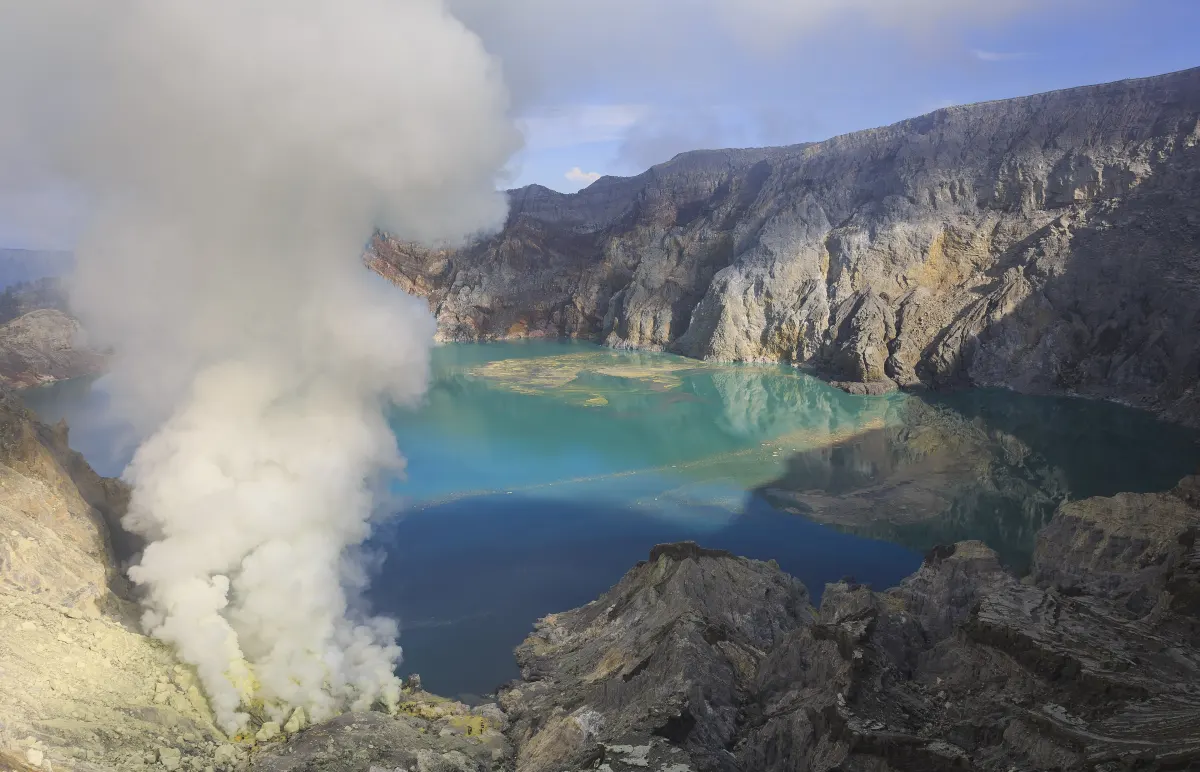
- Ijen's crater holds a turquoise acid lake, and sulphur miners still carry heavy baskets up from it. Before dawn, burning sulphur gas makes the famous "blue fire".
- The walk from Paltuding is about 3 km each way, steep in places, and takes 1½ to 2 hours up. Most tours leave Banyuwangi, or hotels near the park, around midnight to 1 a.m.
- Health certificate: you must show a health certificate, issued no more than three days before your visit. Tours usually arrange a quick check by a doctor, or there's one near the start. People with heart problems, asthma or breathing problems are advised not to go.
- Gas: the sulphur fumes can be choking. Bring, or rent, a proper gas mask, and stay with your guide. The path down into the crater to see the blue fire is steep and is sometimes closed: follow the rangers' instructions.
- The park closes on some days each month (on one Friday a month in 2026) for a clean-up, and has closed for fires and gas: check before you go.
Mount Rinjani, Lombok
- Rinjani, at 3,726 m, is Indonesia's second-highest volcano, with a huge crater lake, Segara Anak, and a smoking cone inside it. It's a tough trek: two days and a night to the crater rim, or three or four days for the summit and the lake. The summit climb, up loose scree in the dark, is very hard.
- Rules: you must book through the park's eRinjani booking system, with a licensed trekking organiser and guide; you can't trek alone. You also need a health certificate and insurance. The rules were tightened after deaths of climbers, including a Brazilian hiker who fell in June 2025.
- The main routes start from Senaru, in the north, and Sembalun, in the east. Porters carry the tents and food.
- The mountain usually closes from around January to March in the wet season, and has closed in the dry season for fire risk, with bookings suspended: check the latest status before you plan.
- Choose your trekking company carefully: look for good recent reviews, proper tents and sleeping bags, enough guides, and a clear plan for taking rubbish down the mountain.
- If the summit sounds too much, the 2-day trek to the Senaru crater rim, or a day walk to the waterfalls near Senaru, are good alternatives. See Lombok and the Gilis.
Mount Batur, Bali
- Batur (1,717 m) is Bali's easy sunrise hike: about two hours up from the start near Toya Bungkah, in the dark, to watch the sun rise over the caldera lake, with Mount Agung and, on a clear day, Rinjani in the distance.
- You must go with a local guide from the mountain's guide association; the tours from Ubud and the south, which pick you up around 2 a.m., include one.
- It gets very crowded at the top, and it's colder than you'd expect. Breakfast is often eggs and bananas cooked in the volcanic steam.
- Afterwards, many tours stop at the hot springs by the lake.
- Mount Agung, Bali's highest and holiest mountain, can also be climbed with a guide, but it's much harder, it's closed during some ceremonies, and it's off limits when its alert level is raised.

Comments
No comments yet.