
Weather in Indonesia and when to go: the wet and dry seasons, region by region
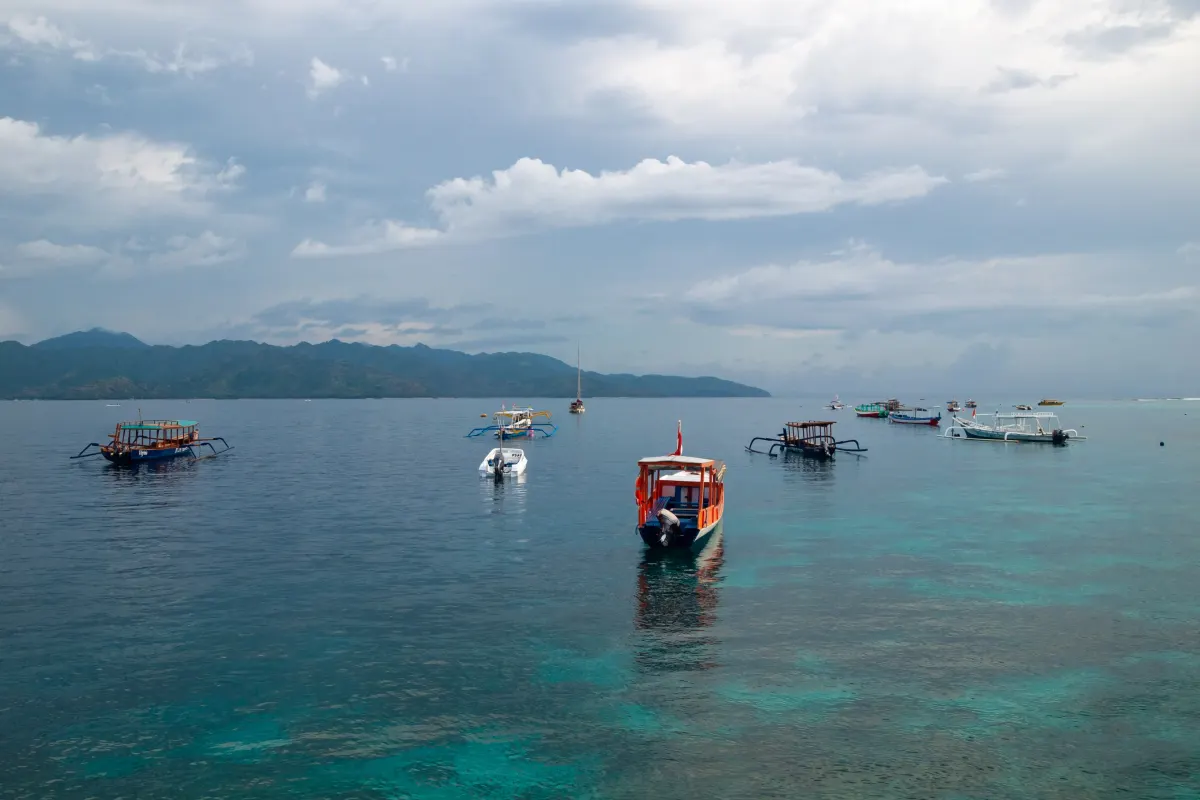
Indonesia sits on the equator, so it's hot all year, about 27 to 33°C on the coast, and cooler in the mountains. What changes is the rain. Most of the country has a dry season and a wet season, but they fall at different times in different places, so the best time to go depends on where you're going.
Bali, Java, Lombok and Nusa Tenggara
- Dry season, roughly April to October: sunny days, lower humidity and calmer seas. The best time for Rinjani, Bromo, Ijen and boat trips. July and August are the busiest months, with the highest prices, especially in Bali.
- Wet season, roughly November to March: hot and humid, with heavy afternoon or evening downpours, and sometimes days of rain. Flooding can hit cities, including Jakarta. Prices are lower, and there's still plenty of sunshine, except in the wettest months, usually December to February.
- April, May, June and September are often the best balance of good weather and fewer crowds.
- The further east you go (Lombok, Sumbawa, Flores, Komodo, Sumba), the drier it is, and the shorter the wet season.
- Mount Rinjani is usually closed to climbers from around January to March, in the wet season, and can also close for fire risk in the dry season.
Komodo and Labuan Bajo
- April to December is the main season. The dry months, roughly May to September, are good for hiking on the islands, but the hills turn brown. Seas can be rough in the wet season, especially January and February, when boat trips are sometimes cancelled.
- Diving is good all year, with mantas in many months. See Komodo, diving and snorkelling.
Sumatra and Kalimantan
- Close to the equator, it rains all year, with wetter and drier spells that vary by region. North Sumatra, around Lake Toba and Bukit Lawang, is often driest from around June to September.
- In the dry season, smoke haze from forest and peat fires can affect Sumatra, Kalimantan and sometimes Singapore and Malaysia, usually from August to October.
Sulawesi, the Moluccas and Papua
- The Moluccas (Maluku), including Ambon and Banda, have the opposite pattern: their wettest months are roughly May to August.
- Raja Ampat is best from around October to April, when the seas are calmest. Bunaken and Wakatobi are good for most of the year.
- Tana Toraja's big funeral ceremonies mostly take place in the dry months, especially July and August.
The mountains
In the highlands, including the Bromo area, the Dieng Plateau and Kintamani, nights can be cold: below 10°C, and near freezing on Bromo's crater rim and on Rinjani's summit before dawn. Bring warm layers for sunrise hikes.
Holidays and festivals
- Idul Fitri (Lebaran), at the end of Ramadan: expected around 10 March 2027. Tens of millions travel home, and trains, flights, ferries and roads are packed for a week or two either side. See Laws visitors need to know about Ramadan.
- Nyepi, Bali's day of silence: expected on 8 March 2027, when Bali's airport closes for 24 hours. See Bali.
- School holidays (late June to mid-July), Christmas and New Year: busy at Bali, Yogyakarta, Bromo and Borobudur.
- Independence Day, 17 August: flags, parades and village games everywhere.
- Australian school holidays fill Bali, too.
What to pack
- Light, loose clothes, plus something that covers your shoulders and knees for temples and mosques, and a sarong for Bali's temples.
- A light rain jacket or umbrella in the wet season, and warm layers for volcanoes and the highlands.
- Sunscreen, insect repellent and a reusable water bottle.

Comments
No comments yet.