
Laws visitors need to know in Indonesia: drugs, the new criminal code, alcohol, dress, Ramadan and Aceh
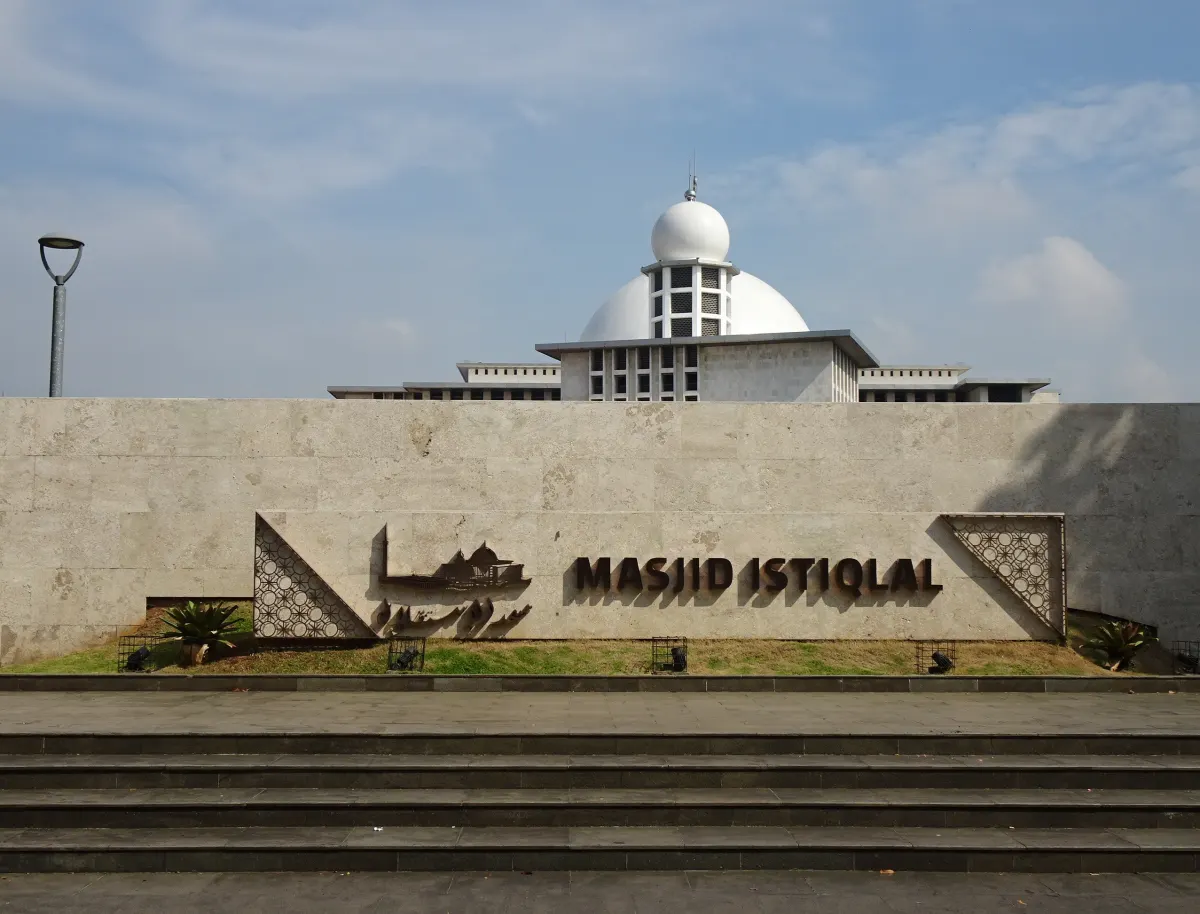
Indonesia is the world's largest Muslim-majority country, with large Hindu, Christian and Buddhist communities, and its laws reflect that. Most visitors have no trouble, but a few laws are much stricter than at home, and foreigners are prosecuted under them.
Drugs
- Indonesia has some of the strictest drug laws in the world. Trafficking can carry the death penalty, and foreigners have been executed. Possession of even small amounts can mean years in prison.
- All cannabis is illegal, including CBD oil, creams, edibles, hemp products and vapes, even if they're legal where you bought them.
- Police raid bars and clubs popular with foreigners, especially in Bali, and can order urine or blood tests: a positive test can lead to arrest.
- Never carry anything for someone else, and keep your bags with you when you travel.
- Magic mushrooms are sold openly on some islands, but they're illegal.
The new criminal code
Indonesia's new criminal code (the KUHP) came into force on 2 January 2026, replacing laws that dated back to Dutch colonial rule.
- Sex outside marriage and living together: both are now crimes, with up to a year in prison for sex outside marriage and six months for unmarried couples living together. But they can only be prosecuted if a spouse, parent or child of one of the couple makes a complaint to the police. In practice, this means unmarried tourist couples sharing a hotel room aren't at risk, and hotels don't ask for marriage certificates.
- The code also has laws against insulting the president, state institutions and religion, and spreading false news. Be careful what you say about them in public and online.
- In Aceh, stricter local laws apply: see below.
Religion
- Insulting a religion is a crime (blasphemy), and people have been jailed for comments on social media.
- Dress and behave respectfully at mosques, temples and churches: cover your shoulders and knees, and take your shoes off where others do. Non-Muslims are welcome at many mosques outside prayer times; women may be lent a headscarf and robe.
- At Balinese temples, wear a sarong and sash: see Bali: where to stay and temple etiquette.
Alcohol
- Alcohol is legal outside Aceh, and easy to find in Bali, Lombok's tourist areas, the Gilis and big-city bars, but much harder in conservative areas. The drinking age is 21.
- Methanol poisoning: tourists have died or been blinded after drinking spirits and cocktails mixed with methanol, including in licensed bars in tourist areas. Be wary of cheap spirits and arak (local palm or rice spirit), and stick to beer, wine or bottled drinks from reputable places. See Health and safety in Indonesia.
- Drink spiking happens in Bali, Lombok and the Gilis: watch your drink.
Dress
- Swimwear is for the beach and the pool. Away from them, cover up, especially away from Bali's tourist areas. Topless and nude sunbathing aren't allowed, and can lead to arrest under the pornography law.
- Outside Bali, and in villages everywhere, dress more modestly: shoulders and knees covered is a good rule.
Ramadan
- During the fasting month, Muslims don't eat, drink or smoke from dawn to sunset. In 2027, Ramadan is expected to start around 8 February, with Idul Fitri (Lebaran), the holiday at the end, around 10 March.
- Restaurants stay open in Bali and tourist areas, and elsewhere many open discreetly, sometimes behind curtains. Avoid eating, drinking and smoking in public in the daytime outside tourist areas, out of respect.
- Around Lebaran, millions of people travel home: trains, flights, ferries and roads are packed for a week or two either side, and prices rise. Book early, or avoid travelling then.
Aceh
- Aceh, at the northern tip of Sumatra, is the only province that applies Islamic (sharia) law, and some of it applies to non-Muslims too.
- Alcohol is banned, as are gambling, and sex outside marriage, and same-sex relations. Punishments include public caning, prison and fines.
- Dress conservatively: women should cover their arms and legs, and are expected to wear a headscarf in many places. Unmarried couples shouldn't share a room.
- Many visitors still go to Banda Aceh, for the Aceh Tsunami Museum, and to Pulau Weh for diving, without trouble.
LGBT+ travellers
Same-sex relations are legal in Indonesia outside Aceh, but attitudes are generally conservative, and police have raided LGBT+ events. Bali is relaxed and has gay-friendly venues, but public displays of affection, by anyone, are frowned on in most of the country.
Other laws
- Carry your passport, or a stay permit, with you.
- Don't work, volunteer or run a business on a tourist visa or visa on arrival, and don't overstay: see Arriving in Indonesia.
- Buying, selling, or taking out of the country protected wildlife, or products made from it (such as some shells, coral, turtle shell and bird feathers), is illegal.
- Gambling is illegal everywhere in Indonesia.
- If you're arrested, ask for your embassy to be told. Bail is rare, and court cases can take months.
Comments
No comments yet.