
Phones and apps for Indonesia: SIM cards, eSIMs, IMEI rules and what to install
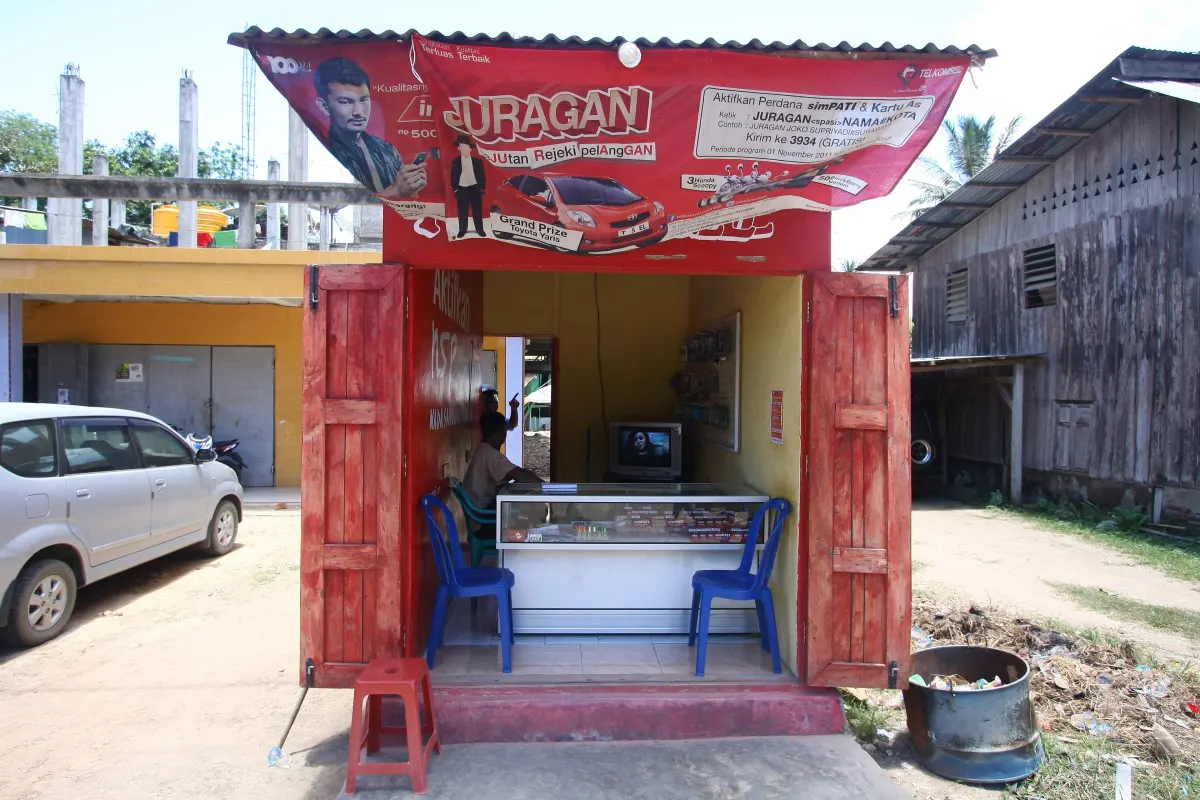
A phone with data makes travelling in Indonesia much easier: you need it for Gojek and Grab, maps, train tickets, and WhatsApp, which is how hotels, drivers and guides keep in touch. Getting connected is cheap, but there's one quirk: Indonesia registers phones, as well as SIM cards.
SIM cards and eSIMs
- The main networks are Telkomsel (the widest coverage, including remote islands), Indosat (IM3) and XL. Coverage is good in cities and Bali, patchy on small islands, in the mountains and at sea.
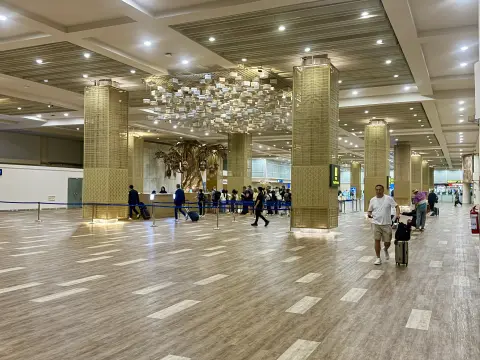
- Tourist SIM cards are sold at counters in the arrivals halls of Bali's and Jakarta's airports, and in the networks' shops. You need your passport, and the staff register the SIM to it, and usually set it up for you. Airport prices are higher than in town, but it's easy.
- Avoid buying SIM cards from street stalls, which may be registered to someone else, or not registered at all.
- eSIMs: if your phone takes an eSIM, you can buy a data eSIM for Indonesia online before you go, and switch it on when you land. Most use one of the local networks.
- Top up with credit (pulsa) or data packages at minimarkets such as Indomaret and Alfamart, or in the network's app.
The IMEI rule
- Indonesia blocks phones that aren't registered, by their IMEI number, from its networks, to stop the sale of smuggled phones.
- For visitors, a phone used with a tourist SIM card or eSIM bought in Indonesia is normally registered for you when the SIM is registered, and works for up to 90 days. You don't need to do anything else.
- If you stay longer, or bring an expensive new phone to sell or give away, you need to register it with customs and may have to pay duty. Ask at the customs counter at the airport.
- Roaming with your home SIM isn't affected, but it's usually expensive.
Apps to install
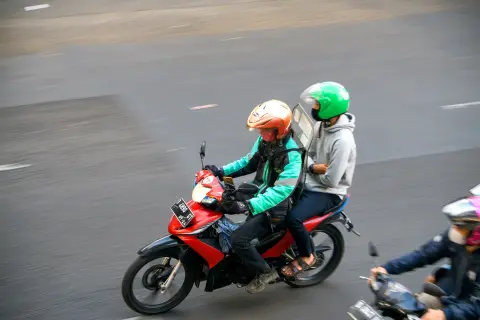
- Gojek and Grab: rides, food delivery and more. Install both, as prices vary. See Getting around Indonesia.
- WhatsApp: almost everyone in Indonesia uses it, from hotels and drivers to dive shops and tour guides.
- Google Maps (download offline maps for the areas you're visiting) and Google Translate (download Indonesian for offline use; its camera translation is handy for menus).
- Access by KAI: train tickets on Java. Traveloka and tiket.com sell trains, flights, hotels and attraction tickets, and usually take foreign cards.
- MyBluebird: Bluebird taxis.
- All Indonesia: the arrival card (see Arriving in Indonesia), and the Love Bali site or app for Bali's tourist levy.
- Info BMKG: earthquake, tsunami and weather warnings. MAGMA Indonesia: volcano alert levels. See Health and safety in Indonesia.
- The app or website of your airline, and of the fast boat company if you take one.
- Your bank's app, to check for any card fraud, and a VPN if you need one for services from home.
Wi-Fi
Hotels, guesthouses and cafés almost all have free Wi-Fi, and Bali's cafés and co-working spaces are among the best connected in Asia. Away from the main towns, it can be slow, so don't rely on it on small islands.
A few words of Indonesian
Bahasa Indonesia is easy to start with, and people love it when you try: terima kasih (thank you), selamat pagi (good morning), berapa? (how much?), tidak, terima kasih (no thank you), and enak (delicious). In Bali, suksma is thank you in Balinese.


Comments
No comments yet.