
Bali: where to stay, the traffic, temple etiquette, Nyepi and the rules for visitors
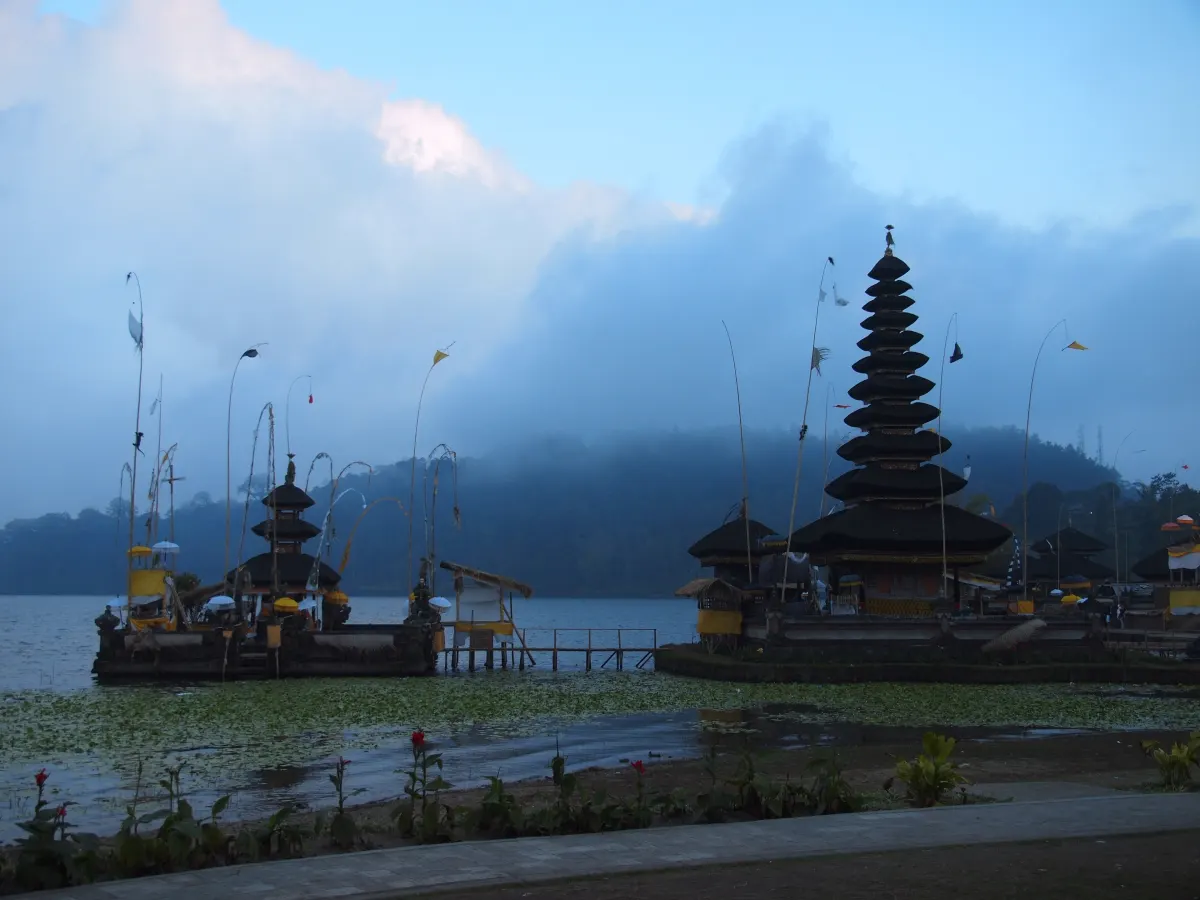
Bali is a small island with a lot of visitors, and where you stay makes a big difference: the traffic in the south can turn a 15 km trip into an hour or more. It's also a deeply Hindu island, where daily offerings sit on every doorstep and ceremonies close roads, so a little knowledge of temple etiquette goes a long way.
Where to stay
- Seminyak and Canggu: beach clubs, cafés, shops and nightlife, with surf beaches and sunsets. Busy, and the roads round Canggu are some of the most congested on the island. Good for a few days if you want to go out; Tanah Lot is nearby.
- Kuta and Legian: close to the airport, cheaper and livelier, with a long surf beach. Good for a first or last night.
- Sanur: calmer, with a long beachfront path, reef-protected water that's better for swimming, and the harbour for boats to Nusa Penida and Nusa Lembongan. Good for families and older travellers.
- Nusa Dua and Jimbaran: big resorts on calm beaches (Nusa Dua) and seafood dinners on the sand (Jimbaran). Quiet, but far from everything else.
- Uluwatu and the Bukit: clifftop villas, surf breaks and beaches at the bottom of long stairs, close to Uluwatu Temple's sunset kecak dance. You'll need transport for everything.
- Ubud: the cultural centre, in the hills, surrounded by rice terraces, with dance performances, galleries such as Museum Puri Lukisan, yoga and good food. No beach, and the centre is busy, but it's the best base for the middle of the island and Mount Batur.
- Sidemen, Amed and the east: rice valleys, black-sand beaches and good snorkelling and diving, much quieter. Munduk, Lovina and Pemuteran, in the north, are quieter still.
- Nusa Penida and Nusa Lembongan: islands a short boat ride from Sanur, with dramatic cliffs and manta rays. See Nusa Penida.
Many people split a week or two between a beach area and Ubud: see 7 days in Bali.
The traffic
- The roads in the south (Kuta, Seminyak, Canggu, the airport and the road to Uluwatu) are often jammed, especially late afternoon and at weekends. Allow at least an hour from the airport to Canggu or Ubud, and much more at busy times.
- Most visitors get about with Grab or Gojek, or hire a car with a driver for the day, which is good value and saves you driving. See Getting around Indonesia.
- Ceremonies and processions sometimes close roads for an hour or so: be patient, and don't push through.
- Renting a scooter is how many people get around, but many get hurt: you need the right licence and an International Driving Permit, and the police check. See Getting around Indonesia.
Temples
- Wear a sarong and sash to enter a temple, and cover your shoulders. Most big temples lend or rent them at the entrance, but carrying your own is easier.
- Don't climb on shrines, walls or statues, or sit higher than the priest, and don't step over or on offerings (the small palm-leaf baskets of flowers on the ground). Don't touch people's heads.
- Some inner courtyards are only for people praying: if a sign or a guardian says you can't go in, don't.
- Traditionally, women who are menstruating, and people with open wounds, are asked not to enter temples; signs at the entrance say so.
- During a ceremony, keep to the side, don't walk in front of people praying, and don't use flash. Ask before photographing people, and never use a drone over a temple without permission.
- Bali's most visited temples include Tanah Lot, Uluwatu, Tirta Empul, Ulun Danu Beratan and Besakih, the mother temple on the slopes of Mount Agung. Unofficial guides at Besakih can be pushy: agree any price first.
The rules for visitors
After a string of incidents involving tourists, the Governor of Bali issued a list of rules for foreign visitors in 2025. Most are common sense, but people have been deported for breaking them:
- Respect temples, sacred trees and other holy places: no climbing them, and no nude or disrespectful photos at them.
- Dress modestly away from the beach: don't walk round town, shops or temples in swimwear.
- Pay in rupiah, and change money only at licensed money changers.
- Don't use single-use plastic bags, straws or bottles where you can avoid them, and don't drop litter.
- Obey the traffic rules, and only ride or drive with a valid licence.
- Stay in licensed accommodation, and don't work or run a business on a tourist visa.
- Don't swear at, or behave aggressively towards, people, officials or other visitors.
See Laws visitors need to know in Indonesia for the laws that apply in the rest of the country too.
Nyepi, the day of silence
- Nyepi, the Balinese Hindu new year, is a day when the whole island stops for 24 hours, from 6 a.m. to 6 a.m.: no traffic, no work, no lights at night, no noise, and nobody on the streets or beaches. Bali's airport closes for the day, and so do the ports.
- It falls in March: in 2027 it's expected on 8 March, with the ogoh-ogoh parade of giant demon figures the evening before.
- Visitors must stay in their hotel, keep the noise down, and keep lights low or curtains closed after dark. Hotels keep serving their guests, and many put on Nyepi packages. The local security wardens, the pecalang, patrol the streets.
- Don't plan to arrive, leave or go on a day trip that day, and stock up on snacks and anything you need the day before.
- Many people find it a highlight of their trip: the night sky is extraordinarily dark and starry.
Other festivals
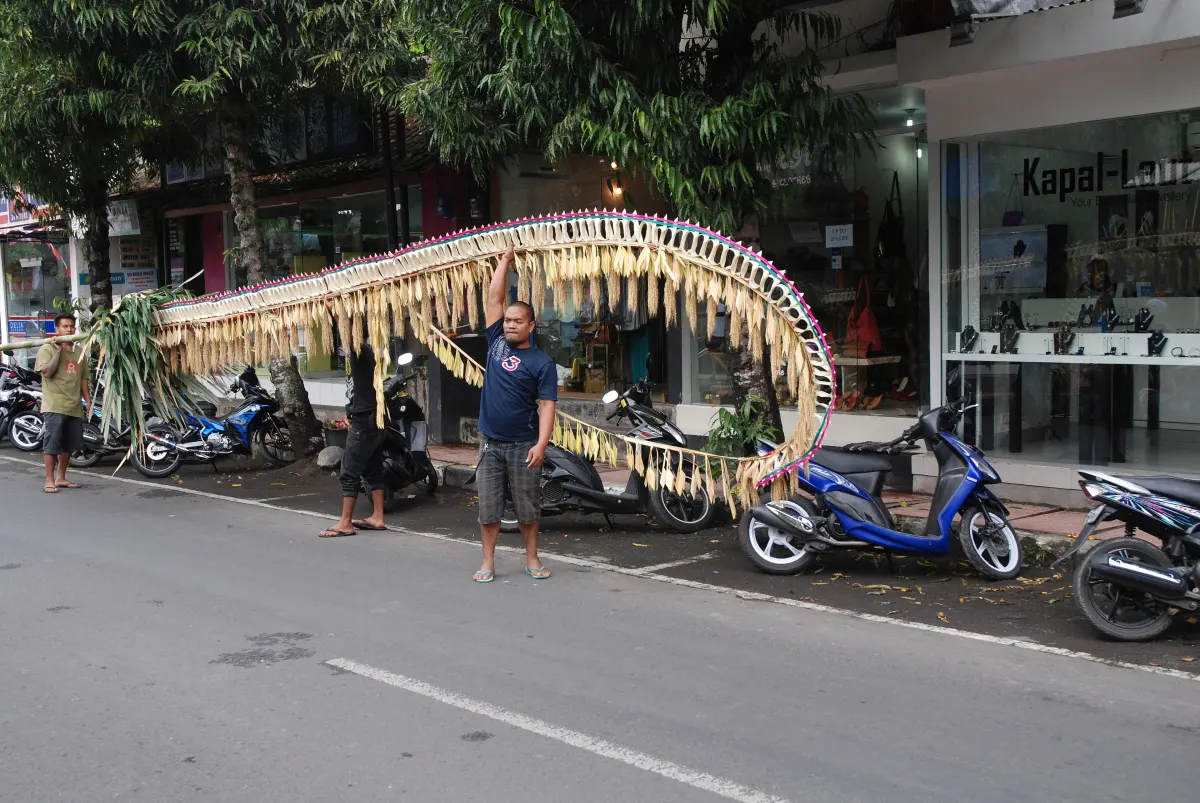
- Galungan and Kuningan: every 210 days, ten days apart. Tall decorated bamboo poles (penjor) line the streets, and families visit their temples. A lovely time to be in Bali, though some businesses close.
- Ceremonies happen almost every day somewhere: ask your hotel if there's one nearby that visitors can respectfully watch.

Comments
No comments yet.