
Komodo, diving and snorkelling in Indonesia: seeing the dragons, boat trips and the best reefs
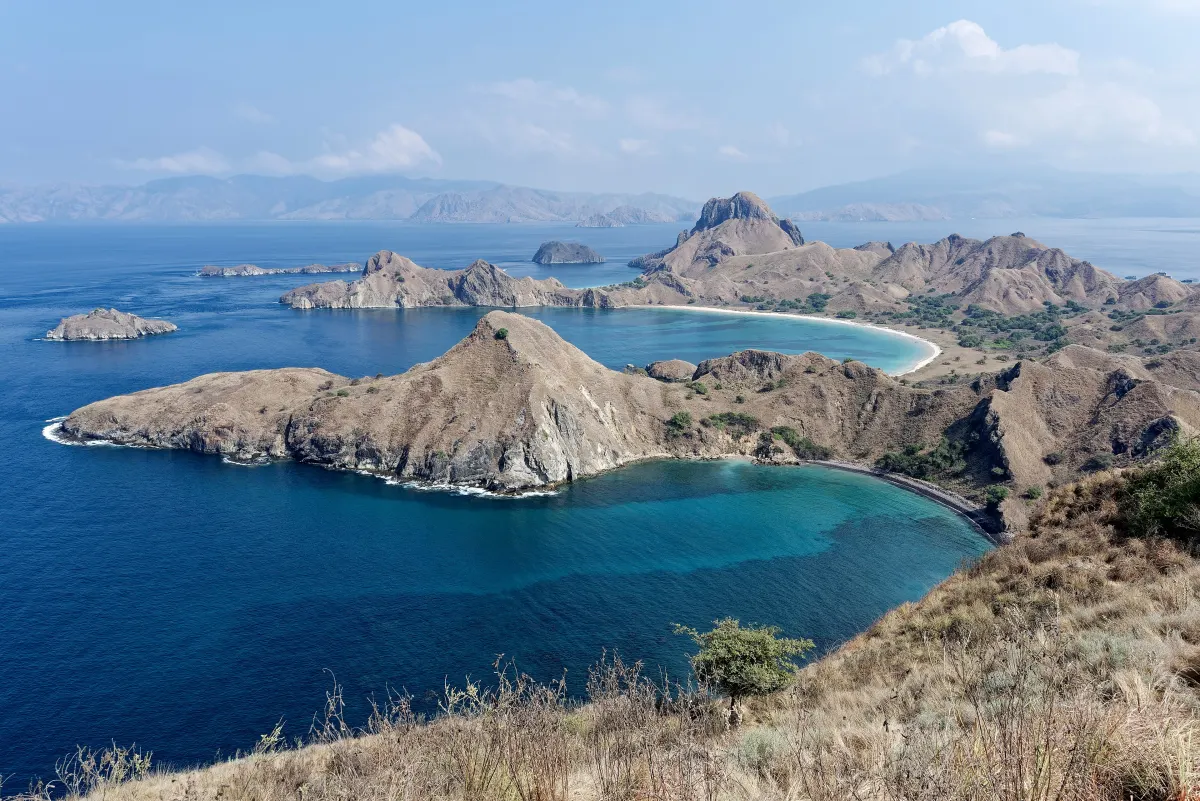
Indonesia sits in the Coral Triangle, which has more kinds of coral and reef fish than anywhere else on earth. It's one of the world's great places to dive and snorkel, and Komodo National Park adds giant lizards to the mix.
Komodo National Park
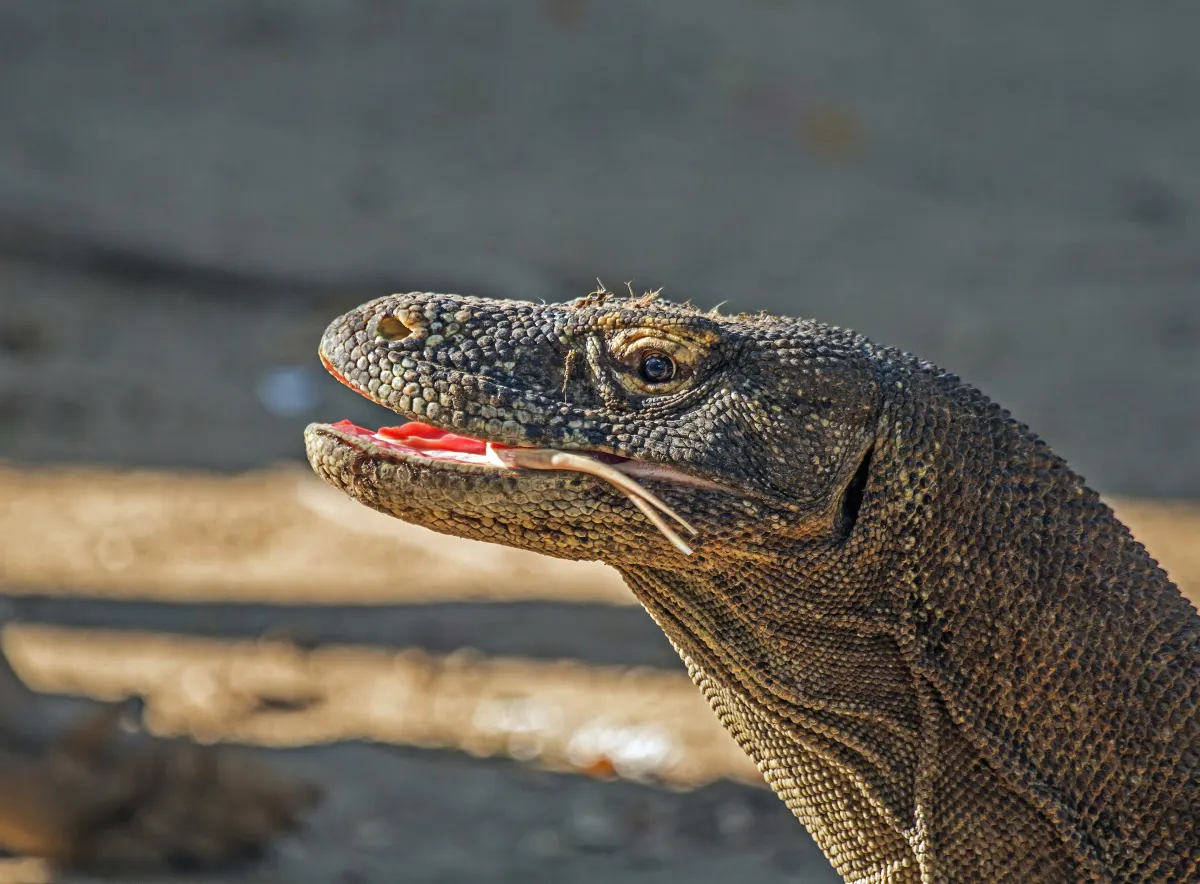
- Komodo National Park, between Sumbawa and Flores, is the only place to see Komodo dragons in the wild, on Komodo and Rinca islands. The gateway is Labuan Bajo, on Flores, about an hour's flight from Bali.
- Seeing the dragons: you can only walk on the islands with a park ranger, who carries a forked stick. Dragons are fast, and their bite is dangerous. Stay with your ranger, keep at least a few metres away, don't go near them if you're bleeding, and tell the ranger if you have a cut.
- Boat trips: day trips by speedboat, or trips of one to three nights on a wooden boat (a phinisi), take in the dragons, the climb up Padar Island for the famous view, Pink Beach, snorkelling with turtles and manta rays, and the flying foxes at dusk.
- Visitor limits: since April 2026 the park has a daily limit of 1,000 visitors, covering Komodo, Rinca, Padar and the dive sites, and fees have changed several times in recent years. Book ahead in the busy season, and check what your boat trip includes.
- Boat safety: choose a well-reviewed operator, with life jackets for everyone, a radio, and a crew that won't sail in bad weather. Some boats have sunk in the park. Overnight boats vary from basic to luxurious.
- From Labuan Bajo, you can carry on across Flores to the coloured crater lakes of Kelimutu.
Where to dive and snorkel
- Komodo: big fish, mantas and healthy reefs, but strong and unpredictable currents: many sites are for experienced divers. Some sites, like Manta Point and the shallows around the islands, are good for snorkelling with care.
- Nusa Penida and Nusa Lembongan, off Bali: manta rays all year at Manta Point and Manta Bay, and sometimes mola mola (ocean sunfish), mainly from July to October. The water is cold and the currents strong. See Nusa Penida.
- Bali: Tulamben, in the east, has the wreck of the USAT Liberty, a short swim from the beach and good for snorkellers too; Amed has easy reefs; Menjangan Island, in the north-west, has walls and calm water; Padang Bai has good shore dives.
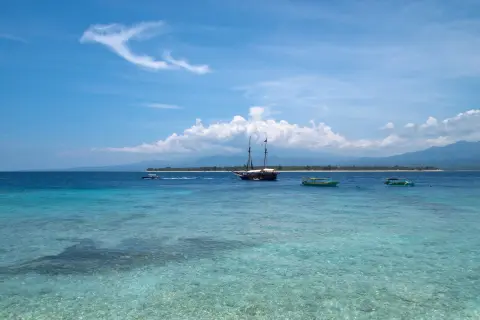
- The Gili Islands: easy diving and snorkelling with turtles, close to the beach. See Gili Islands.
- Further afield: Raja Ampat in West Papua, perhaps the world's richest reefs; Bunaken, off North Sulawesi, with steep walls; Wakatobi, in South East Sulawesi; and Lembeh Strait, for "muck diving" for strange small creatures.
Diving safely
- Standards vary. Choose a dive centre with good reviews, qualified instructors (look for PADI, SSI or similar), well-maintained gear, oxygen on board, and a guide in the water with you.
- Tell them honestly how experienced you are. In strong currents, carry a surface marker buoy, and stay with your guide.
- Know where the nearest hyperbaric chamber is (Bali has them), and make sure your insurance covers diving to the depth you'll dive to.
- Don't fly for at least 18 to 24 hours after diving.
Snorkelling safely
- Snorkel from a boat with a crew watching, or from a beach with no current, and wear a life jacket or float vest if you're not a strong swimmer.
- Currents can be strong, even off the Gilis' beaches. Check with locals before you swim out.
- Look out for boats: wear something bright, or tow a float.
Looking after the reef
- Don't touch or stand on coral, and don't touch, chase or feed turtles, mantas or fish.
- Use reef-friendly sunscreen, or wear a rash vest instead.
- Don't buy shells, coral or turtle shell products: many are illegal to take out of Indonesia. See Laws visitors need to know.


Comments
No comments yet.