
Health in Indonesia: Bali belly, methanol, rabies, dengue and hospitals
Most trips to Indonesia go without a problem, but a few health risks are worth knowing about before you go. Get travel insurance that covers medical evacuation: treatment in a private hospital, or a flight to Singapore or Australia, can cost tens of thousands.
Bali belly
- Upset stomachs are common. Don't drink tap water, or brush your teeth with it if you have a sensitive stomach. Bottled and refilled filtered water is everywhere; many hotels and cafés have refill stations.
- Ice in tourist areas is usually made from filtered water, and the cylindrical kind with a hole is factory-made.
- Eat where it's busy and food is cooked fresh. Wash your hands, or use hand gel, before eating.
- Carry oral rehydration salts. If you have a high fever, blood in your stool, or can't keep fluids down, see a doctor.
Methanol in spirits
- Visitors have died or been left blind after drinking cocktails and spirits made with methanol, a toxic alcohol, in Bali, Lombok and the Gilis. It has happened in licensed bars and hotels, not only cheap ones.
- Be wary of cheap spirits, bargain cocktail deals, "jungle juice" and arak (local spirit) of unknown origin. Beer, wine and drinks from sealed bottles are safer.
- Symptoms, which can start hours later, look like being very drunk, then include headache, vomiting, blurred or "snowfield" vision and difficulty breathing. Go to hospital immediately, and tell them you suspect methanol: it can be treated if caught early.
Rabies: dogs and monkeys
- Rabies is present in Bali and many other parts of Indonesia. It is almost always fatal once symptoms start, but preventable if you're treated quickly after a bite or scratch.
- Keep away from dogs, including ones that look friendly, and from monkeys. The macaques at places like Ubud's Monkey Forest and Uluwatu Temple grab sunglasses, phones and food, and bite. Don't feed them or carry food in plastic bags, and don't stare at them or smile with your teeth.
- If you're bitten or scratched, wash the wound with soap and running water for 15 minutes, then go straight to a hospital or clinic. You may need several injections, including rabies immunoglobulin, which can be hard to get.
- Ask a travel clinic at home about a course of rabies vaccine before you go, especially for longer trips.
Dengue and mosquitoes
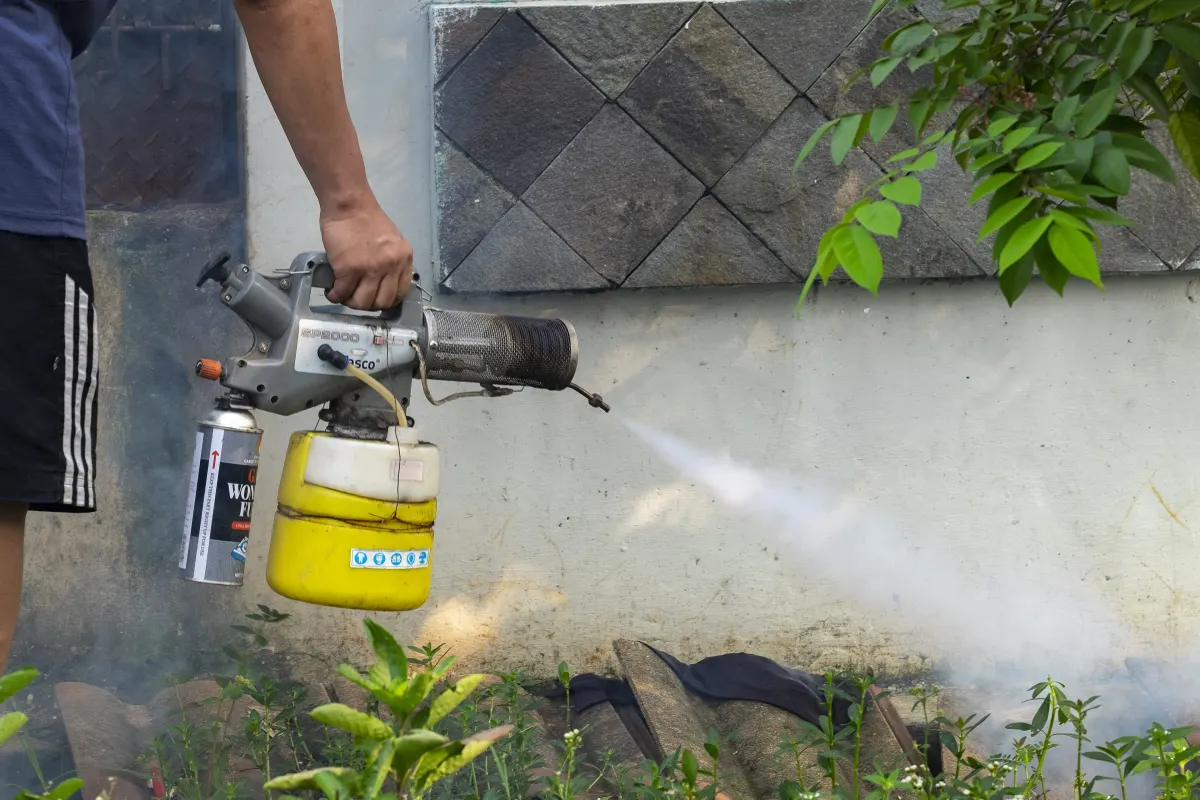
- Dengue fever, spread by day-biting mosquitoes, is common across Indonesia, including Bali, especially in the wet season. It causes high fever, headaches and joint pain, and can be serious.
- Use insect repellent (with DEET or picaridin) during the day too, and cover up at dawn and dusk. A dengue vaccine is available in some countries: ask a travel clinic.
- Malaria is a risk in some eastern areas, such as Papua and parts of Nusa Tenggara, but not in Bali, Jakarta or the main tourist areas of Java. Ask a travel clinic about your route.
Sun, air and hospitals
- Sun and heat: the sun is fierce near the equator; use sunscreen, a hat, and drink plenty.
- Air pollution: Jakarta's air is often poor, and smoke haze from forest fires affects Sumatra and Kalimantan in the dry season.
- Hospitals: Bali, Jakarta and other big cities have good private hospitals, with English-speaking staff, but they expect payment or an insurance guarantee up front. Elsewhere, care can be basic.
- Ambulance: 118 or 119, or 112 for any emergency.
See also safety.

Comments