
When to go to Denmark: weather by season, daylight, wind, festivals of 2027, school holidays and what to pack
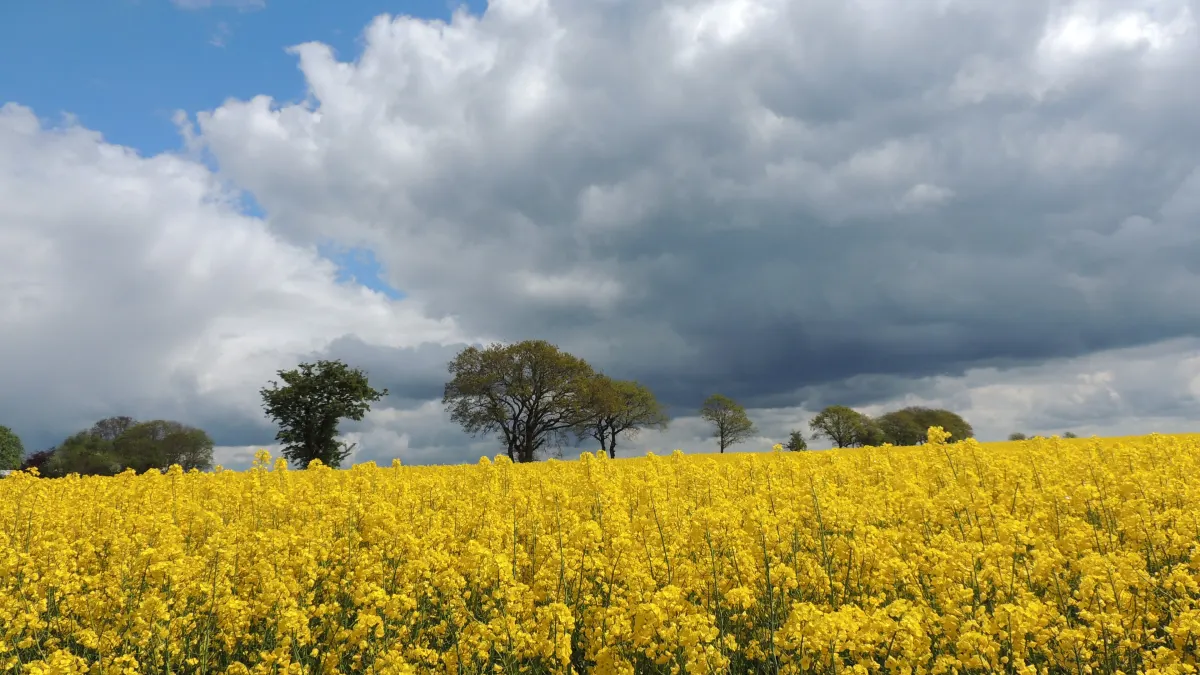
May, June and the first half of September are the best months: long days, mild weather, and few queues. July is warmest and fullest. December is dark, and lovely. From January to March it's quiet, cheap, and mostly grey.
The weather
- It's a mild sea climate: seldom hot, seldom very cold, and it changes before lunch. Copenhagen's average day reaches about 3 to 4 °C in January and 22 in July. A few days each summer pass 28.
- Rain falls in all months, about 600 to 900 mm a year, the most in the west and from July to December. April and May are driest.
- Wind is what you'll remember, above all on the west coast. It's nearly always from the west. A day that looks warm through the window may not be.
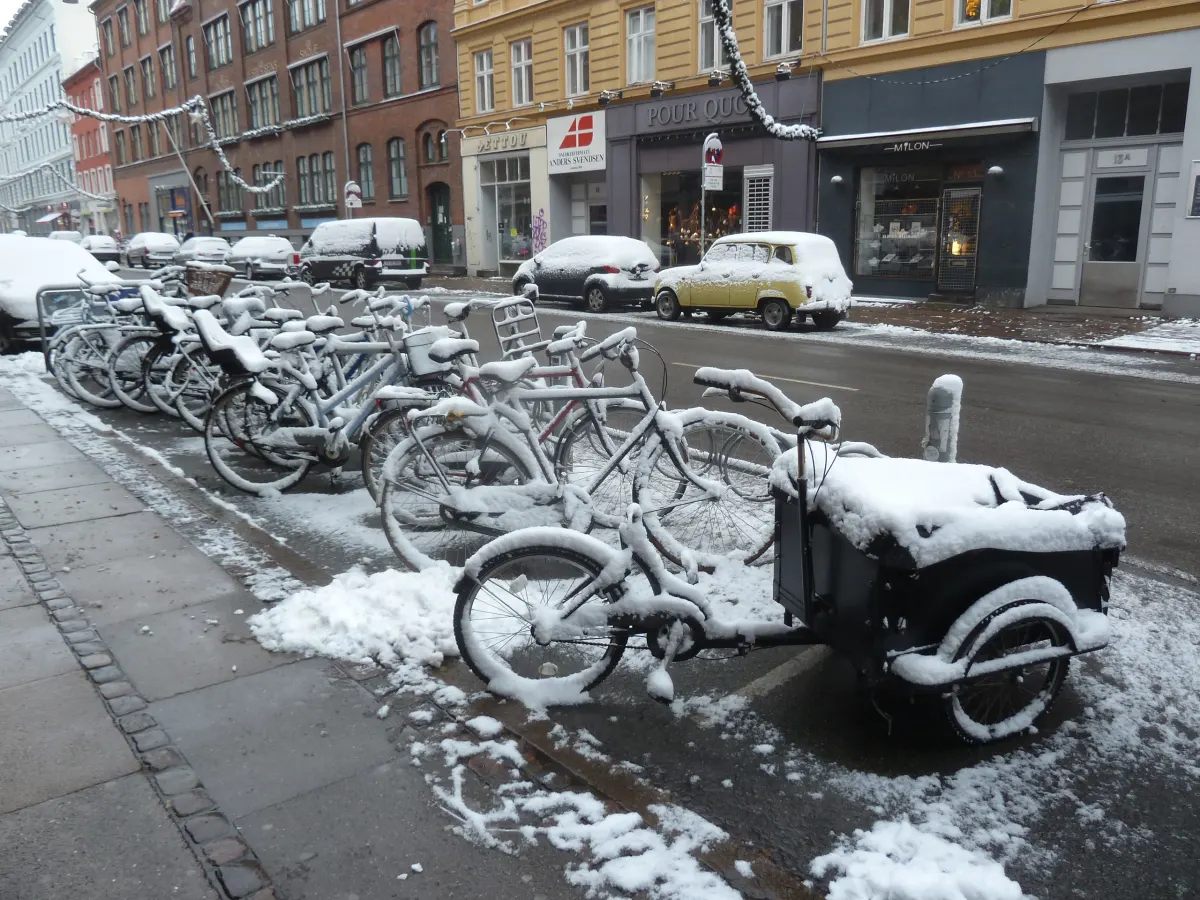
- Snow comes and goes, and seldom lies for more than a week.
Daylight
- 21 June: in Copenhagen the sun rises at about 4:25 and sets just before 22:00, and it never gets quite dark. In Skagen it sets at about 22:20.
- 21 December: it rises at about 8:35 and sets at 15:40, seven hours later.
- Clocks go forward on 28 March 2027, and back on 31 October.
Spring: April and May
- Beech woods come into leaf in the first days of May, all at once, and Danes go out to look. Rape fields turn yellow.
- Tivoli opens on 19 March 2027 for Easter, and then for the summer.
- Cherry trees flower at Bispebjerg cemetery and Langelinie in Copenhagen in the second half of April.
- Easter (25 to 29 March), Ascension (6 May) and Whitsun (16 and 17 May) are long weekends: shops shut, and trains full.
Summer: June to August
- Everything's open, and it's light until bedtime. Book the coast, Bornholm, Ærø and Skagen months ahead for July.
- Sankt Hans, 23 June: bonfires on the beach.
- Weeks 28 to 30 (12 July to 1 August) are when Denmark itself is on holiday. Skagen has its high society in week 29. Some city restaurants close.
- In August schools are back by about the 10th, and the sea is at its warmest.
Autumn: September to November
- September is mild, and good for cycling and cities. Heather is out on Jutland's heaths from the middle of August.
- Black sun: hundreds of thousands of starlings wheel over the marshes by Tønder and Ribe at dusk, in September and October, and again in March and April. See Wadden Sea.
- Week 42 (18 to 24 October) is a school holiday.
- Red deer roar in Dyrehaven, and at Oksbøl, from mid-September.
- Storms begin. November is the dullest month, and hotels are cheap.
Winter: December to March
- December: lights, markets and Tivoli. See Christmas in Denmark.
- January to March: museums, saunas, bakeries, holiday houses by the sea with a stove, and no crowds at Louisiana. Some country sights and island places are shut, Legoland among them.
- Copenhagen's light festival is in February. Week 7 (15 to 21 February) is a school holiday.
Festivals in 2027
- Roskilde Festival: 26 June to 3 July. Trains to Roskilde are packed, and beds are gone.
- Copenhagen Jazz Festival: about ten days in early July, much of it free and outdoors.
- Copenhagen Pride: August. Aarhus Festuge: from the end of August, about ten days.
- Hamlet at Kronborg: August. Tønder Festival (folk): end of August.
- Look at each one's site for dates.
What to pack
- A windproof jacket, in all seasons, and layers. An umbrella turns inside out.
- Shoes you can walk all day in. Nobody dresses up much. A jumper for the evening, also in July.
- Swimming things: there's a harbour bath by the opera.
- From November to March: gloves, a scarf, a hat, and something reflective if you cycle.
- An eye mask in June. Curtains are thin.
Natural features
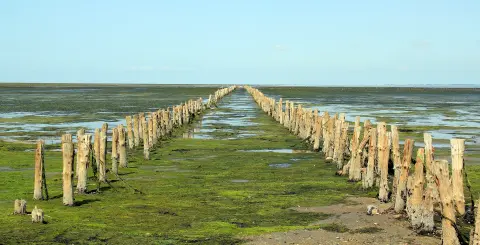
Wadden Sea National Park
Southern Denmark
Tidal flats and islands, a World Heritage site, with oyster safaris at low tide, seals, and 'black sun' starling murmurations in spring and autumn.

Natural features
Skagen and Grenen
Skagen, North Denmark
At Grenen, the northernmost tip of Denmark, the Skagerrak and the Kattegat seas meet, and you can stand with a foot in each, watching the waves clash.
Comments