
7 days in Delft, Rotterdam and Zeeland: The Hague, Kinderdijk, the Biesbosch, the Delta Works, Veere and Domburg
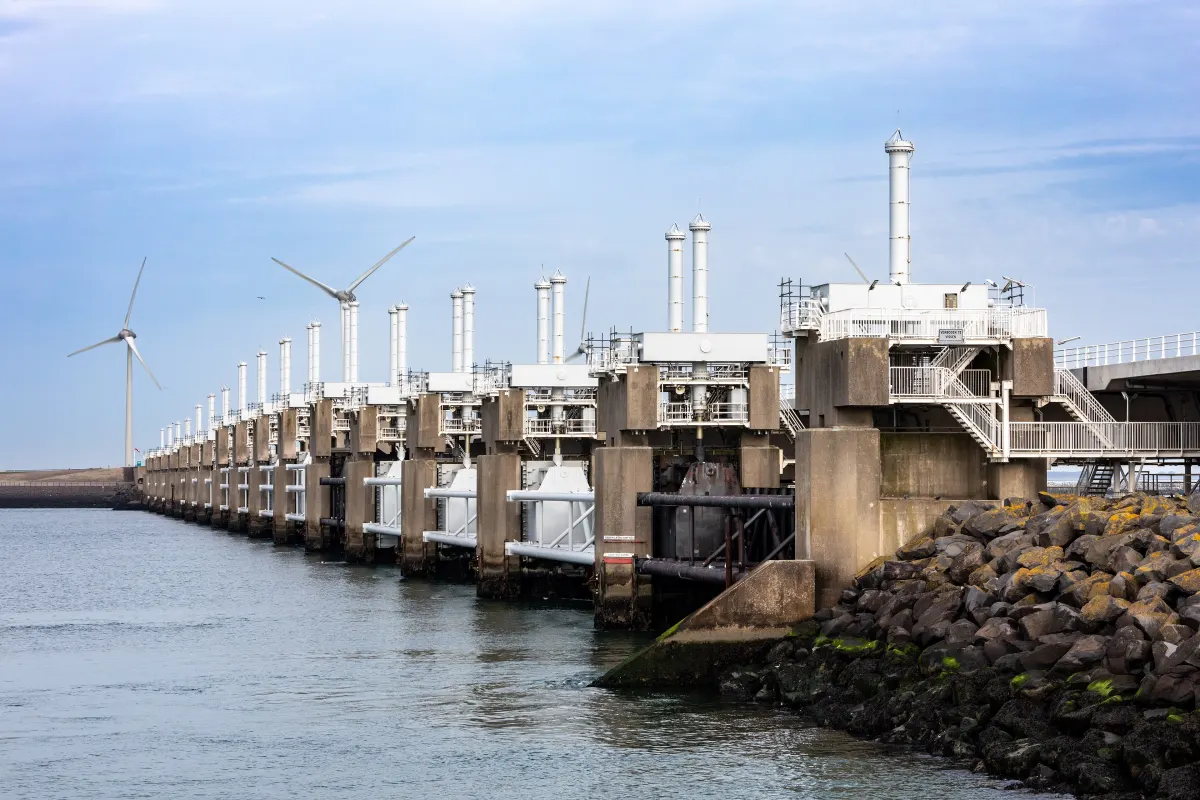
This is where the Netherlands deals with the sea: Vermeer's quiet Delft, Rotterdam, flattened in 1940 and built again as nothing else in Europe, and Zeeland, islands joined by some of the greatest flood barriers on earth. Four days by train, then three with a car.
Map of the route
Train from The Hague to Delft, about 8 km
Tram from The Hague to Scheveningen, about 5 km
Train from Delft to Rotterdam, about 14 km
WaterShuttle from Rotterdam to Kinderdijk, about 12 km
Waterbus from Kinderdijk to Dordrecht, about 8 km
Dordrecht to the Biesbosch, about 9 km
Train from Dordrecht to Rotterdam, about 20 km
Rotterdam over the Delta Works to Middelburg, about 149 km
Walcheren by bike, about 44 km
Middelburg to Yerseke and back to Rotterdam, about 160 km
Click a dot for the place. Labels show where you spend each night. The dashed lines are boats. Distances are approximate. Route from OpenStreetMap (© OpenStreetMap contributors, ODbL).
Before you go
- When: May to September. The beaches are full in July and August, and in German holidays.
- Car: hire one in Rotterdam on day 5, so that you don't pay for it to stand. Without one, trains go to Middelburg in about 1½ hours, and a bike and the buses do for Walcheren.
- Nights: one in The Hague, one in Delft, two in Rotterdam, two or three in Middelburg, Veere or Domburg.
- Book the Mauritshuis, and Zeeland's beds for weekends.
Day 1: The Hague
The Mauritshuis first, for Vermeer. Walk round the Binnenhof and down the Lange Voorhout, see the Peace Palace, and take tram 1 to Scheveningen for the pier and the beach. The Hague has the best Indonesian food in the country.

Mauritshuis, The Hague
A small, beautiful museum in a 17th-century palace beside the Dutch Parliament, with Vermeer's Girl with a Pearl Earring and View of Delft, Rembrandt…
Day 2: Delft
A quarter of an hour by tram or train. Delft is small, canalled and lovely early and late. Climb the Nieuwe Kerk over the tombs of the royal family, see Vermeer's grave in the leaning Oude Kerk, and from outside the Prinsenhof, where William of Orange was shot in 1584 (the museum is closed for rebuilding through 2027). Watch blue-and-white pottery being painted at Royal Delft.
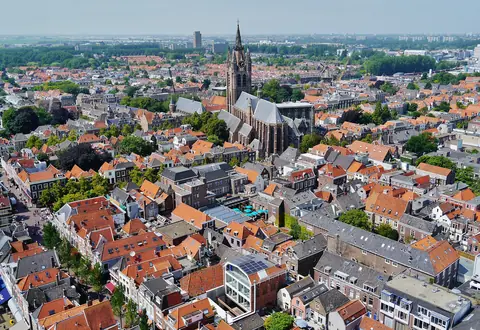
Delft
A picturesque canal town, home of Vermeer and Delft Blue pottery.
Day 3: Rotterdam
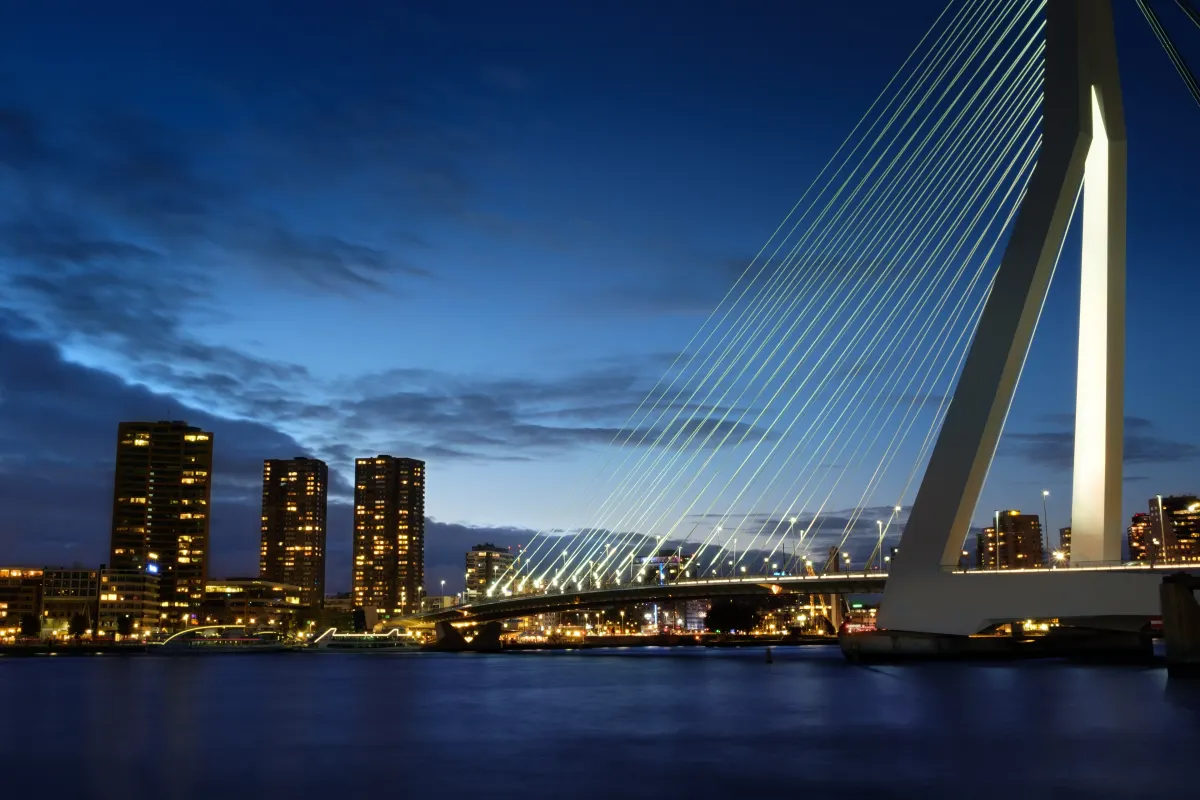
Fifteen minutes on. Start with the Markthal and the Cube Houses, then the mirrored Depot, whose roof has birch trees and a view. Cross the Erasmus Bridge to Fenix, the new museum of migration with a double spiral of steel on its roof, and the Hotel New York, where emigrants waited for ships. Come back by water taxi. Eat in Katendrecht or on the Witte de Withstraat.

Markthal and Cube Houses, Rotterdam
Rotterdam, rebuilt after the bombing of 1940, is the Netherlands' city of bold modern architecture.
Day 4: Kinderdijk and the Biesbosch
By WaterShuttle on Fridays, Saturdays and Sundays, or by Waterbus and a small ferry, to the windmills of Kinderdijk for the morning. Then by Waterbus to Dordrecht, a fine old port that most visitors miss, and by bus or bike to the visitor centre of the Biesbosch, for a whisper boat or canoe among willow creeks. Beavers come out at dusk. Back by train in a quarter of an hour.

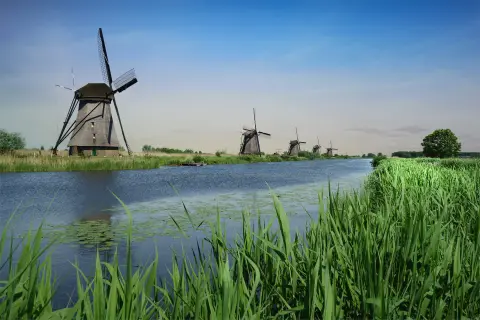
Windmills of Kinderdijk
Nineteen 18th-century windmills standing in rows along the canals of a polder near Rotterdam, built to pump water out of the low-lying land.
De Biesbosch National Park
One of Europe's largest freshwater tidal areas, a maze of creeks and willow forests with beavers and kingfishers.
Day 5: Over the Delta Works
In the night of 31 January 1953 a storm broke the dykes here and drowned 1,836 people. The answer took until 1997. Drive out over the Haringvliet dam and Goeree, the Brouwersdam (beach one side, lake the other, kite surfers on both), stop at Zierikzee for its three town gates, or at the Watersnoodmuseum at Ouwerkerk, set in the concrete caissons that closed the last hole. Then the Oosterscheldekering: nine kilometres of barrier, 62 steel gates that shut only in storms, to keep the estuary alive. On its artificial island Deltapark Neeltje Jans takes you inside (about €26 in 2026, from late March). Sleep in Middelburg or Veere.
Day 6: Walcheren
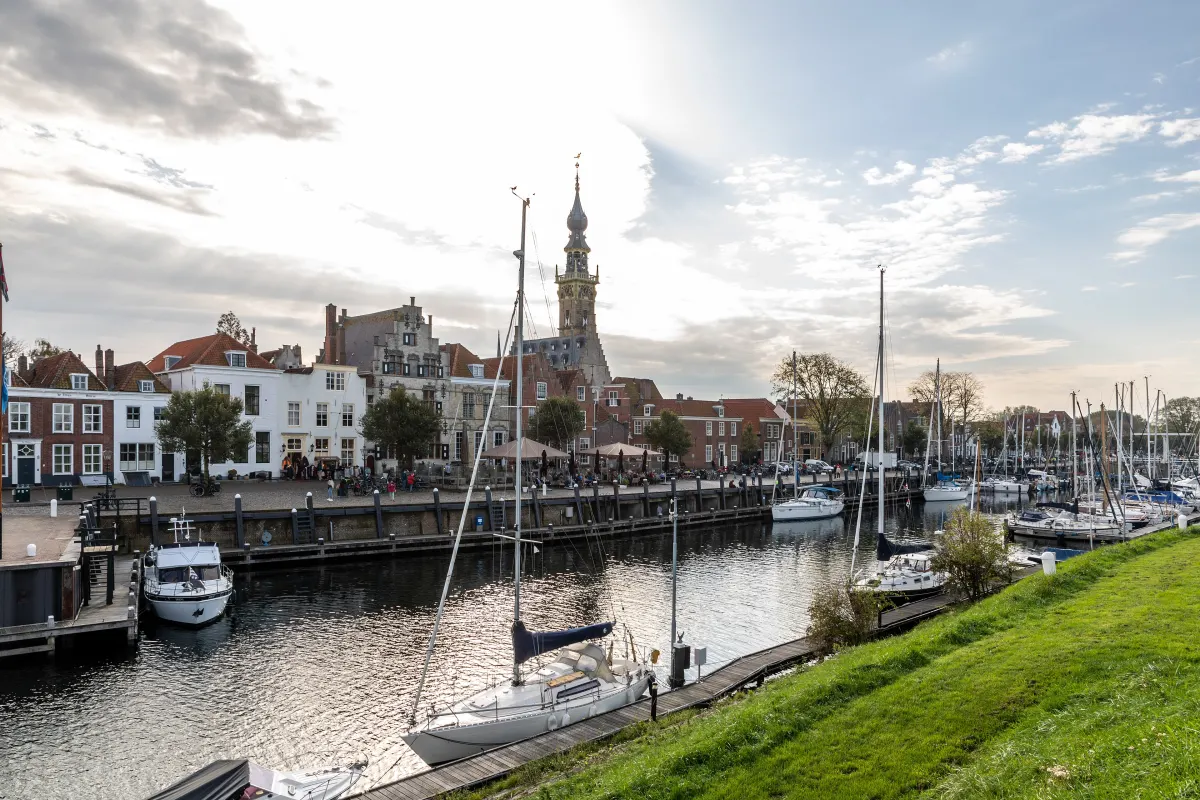
By bike, if you can: about 45 km round. Middelburg was burnt in 1940 and rebuilt so well that you'd not know. Ride the canal to Veere, which grew rich on Scottish wool, with a church far too big for it. Then the dunes to Domburg, where Mondrian painted the church tower and the sea, for its broad beach and a bolus, a sticky cinnamon bun. Come back by Westkapelle, whose dyke the Allies bombed in 1944 to flood the island.
Day 7: Zeeuws-Vlaanderen or the Bevelands, and back
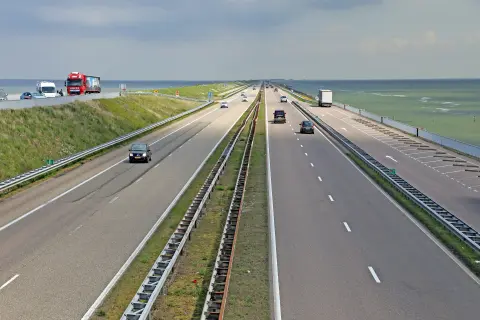
Drive to Yerseke for oysters in the old beds and, from July, mussels. Then the Zeelandbrug, 5 km over the Oosterschelde, with seals on the banks and porpoises in the water below. At Zierikzee join the road back to Rotterdam (about 1¼ hours). Or, instead, take the free Westerschelde tunnel to Sluis and go on to Bruges, in Belgium, an hour from Middelburg.
In bad weather
A storm is the thing to see here. Stand on the Westkapelle dyke, well back. The Delta Works' big gates close perhaps once a year, when a storm surge is forecast at 3 metres.
With more time
- Efteling, the fairy-tale theme park, an hour east.
- Back north: Amsterdam and around by train.
- Antwerp and Ghent, an hour or so from Middelburg. Take your passport.


Comments