
Arriving in the Netherlands: Schengen rules, EES and ETIAS, border checks and customs
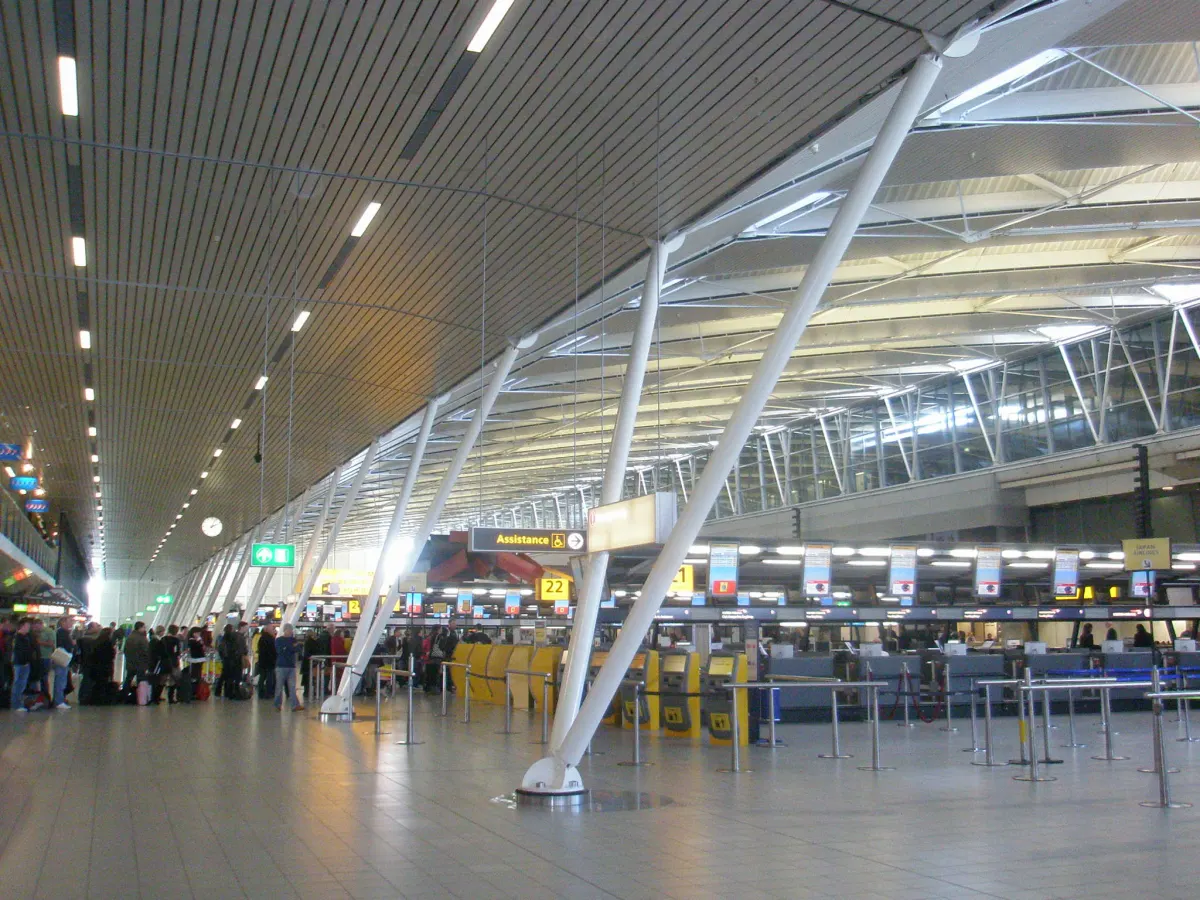
The Netherlands is in the Schengen area, the group of European countries with no routine passport checks between them. Most visitors from outside the EU can come for up to 90 days without a visa. Two new systems matter: EES, which is running, and ETIAS, which isn't yet.
The 90-day rule
- Citizens of the UK, USA, Canada, Australia, New Zealand, Japan, South Korea and many other countries can stay without a visa for up to 90 days in any 180-day period. The days count for the whole Schengen area together, so time in Belgium or Germany uses them up too.
- Overstaying can mean a fine and a ban of up to three years.
- EU, EEA and Swiss citizens need only a passport or national identity card. Other nationalities, including Indian, Chinese and South African citizens, normally need a Schengen visa, applied for in advance.
- The Dutch Caribbean islands, such as Aruba, Curaçao and Bonaire, are not in Schengen and have their own rules.
Your passport
- For visitors from outside the EU, it must have been issued less than 10 years before you arrive, and be valid for at least three months after you leave the Schengen area.
- In the Netherlands everybody aged 14 or over must be able to show identification when the police ask. For visitors that means a passport, or an identity card from an EU country. The fine for not having one is about €100.
EES: fingerprints and a photo
- The Entry/Exit System replaces passport stamps for visitors from outside the EU and Schengen. It became fully operational on 10 April 2026.
- The first time you cross the border, your fingerprints and photo are taken. It's free, there's nothing to apply for before you travel, and children aged 11 or younger don't give fingerprints. The record lasts three years.
- In the summer of 2026 the queue at Schiphol's passport control reached two hours at the worst times, though most people got through in a quarter of an hour. You're checked on the way out too, so go through passport control early, before you shop.
- If you come by Eurostar from London, the checks are done at St Pancras before you board. On the way back they're at Amsterdam Centraal or Rotterdam Centraal: Eurostar asks you to be there well over an hour before.
- If you change planes at Schiphol between a flight from outside Schengen and one inside it, you go through the border there. Leave plenty of time for the connection.
ETIAS: not yet
- ETIAS is an online travel authorisation that visa-free visitors will need. In November 2026 it wasn't in operation, no applications were being accepted, and there was no start date. The EU says it will announce one several months ahead.
- When it starts, it will cost €20 and be applied for online.
- Any website that offers to take your application now is not genuine. The only official address is travel-europe.europa.eu. Look there before you book.
Checks near the land borders
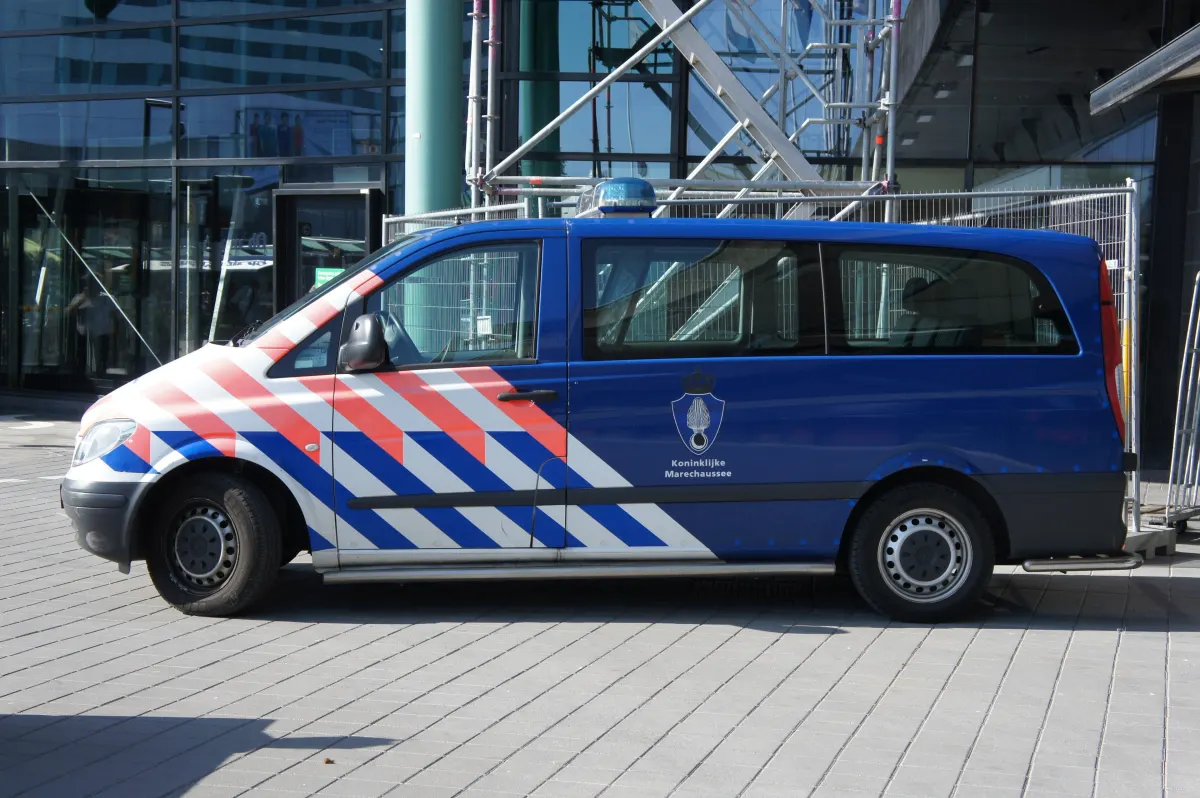
- The Netherlands ended its temporary border controls on 30 September 2026. Since 1 October the border police, the Koninklijke Marechaussee, do more spot checks instead: on roads near the Belgian and German borders, on trains, at airports on flights from other Schengen countries, and at ferry ports. They can now check a whole train.
- Germany still checks people arriving from the Netherlands, until at least 15 March 2027. Trains and motorways can be held up for a few minutes.
- So take your passport or identity card on every trip over the border, even a day in Antwerp or Aachen.
Customs
- From outside the EU you can bring up to €430 of goods by air or sea (€300 by land, and half or less for children under 15), plus, for those aged 17 and over, 200 cigarettes, 1 litre of spirits or 2 litres of drinks up to 22%, 4 litres of wine and 16 litres of beer.
- Meat, milk and anything made with them are banned from most countries outside the EU, including the UK, with small exceptions such as baby milk.
- Declare cash of €10,000 or more, in or out.
- Knives that count as weapons, stun guns and pepper spray are illegal, even for self-defence.
- Don't carry cannabis over any border, in or out. It's tolerated in coffeeshops, not at airports, and Schiphol scans the bags of people in transit too.
Going home with flower bulbs
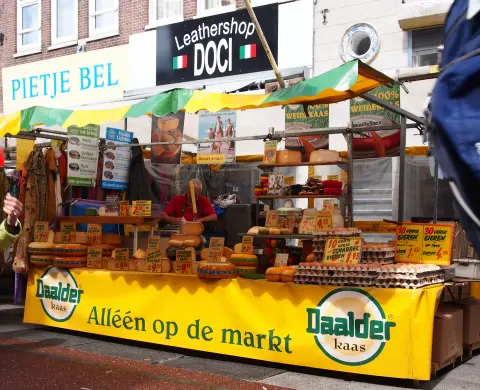
Within the EU there's no problem. For the USA, Canada and some other countries, bulbs need an official health certificate: buy packets marked for export to your country. The UK and Australia have their own rules, and Australia is very strict. Cheese is fine within the EU, and usually allowed to the USA if it's hard.
Next: getting from Schiphol and the other airports.
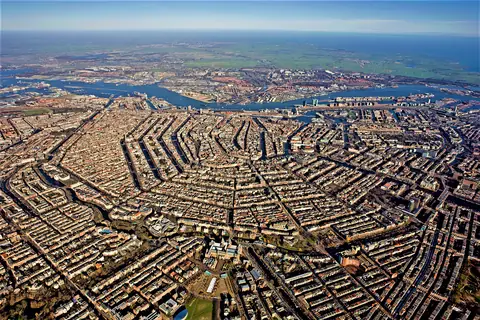
Amsterdam canal ring
Four concentric 17th-century canals lined with gabled merchants' houses, a World Heritage site.

White Tulip Hostel, Amsterdam
A budget hostel on Warmoesstraat, one of the oldest streets in Amsterdam, five minutes' walk from Centraal Station and Dam Square and on the edge of …

Comments