
Phones and the internet in the Netherlands: roaming, eSIMs and SIM cards, wifi, plugs, emergency alerts and apps
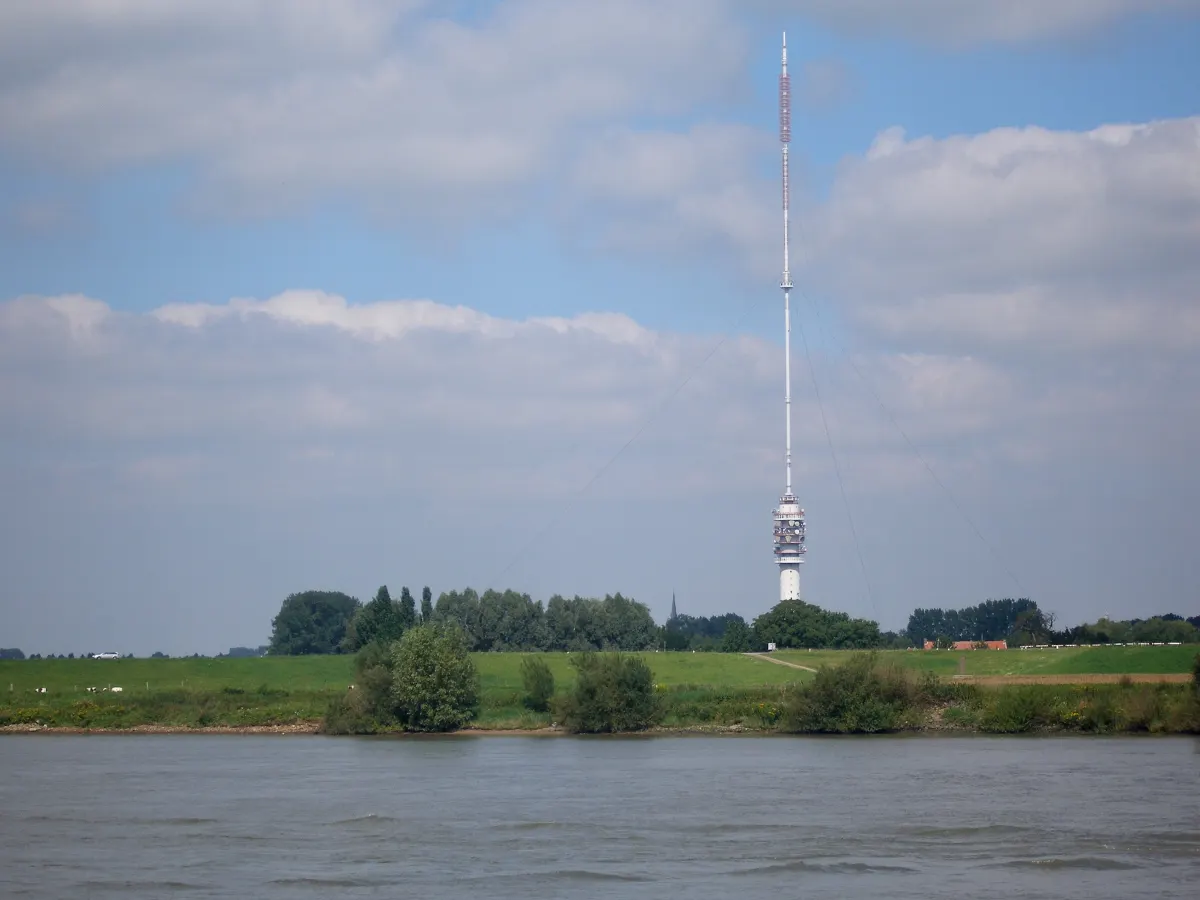
Coverage is excellent everywhere, down to the dunes and most of the ferries. You'll want data for maps, train platforms and tickets.
Roaming
- With an EU or EEA SIM you roam at your home price, within your plan's fair-use limit.
- UK networks differ: some include the Netherlands, others charge about £2 to £3 a day. Check before you leave.
- From elsewhere, roaming is usually the most expensive way. Turn it off before you land.
eSIMs and SIM cards
- An eSIM bought online before you go is simplest: from a few euros for a few gigabytes. Buy one for all of Europe if you're going on to Belgium or Germany. Your phone must support it and be unlocked.
- The networks are KPN, Odido and Vodafone. Cheaper brands such as Lebara, Lycamobile and Simyo use them.
- Prepaid SIMs are sold at supermarkets, at the chemist's chains Kruidvat and Etos, at phone shops and at Schiphol, with a starter card from about €5 to €10 and bundles for a month on top. The tourist packs at the airport cost about €30.
- You don't have to register a Dutch prepaid SIM with a passport, though some shops ask.
Wifi
- Free in nearly every hotel, café, library and museum, on Intercity trains and at stations.
- In cafés ask, or look at the menu. Don't do your banking on it.
Calling
- The country code is +31: leave out the first 0 of the number.
- Mobile numbers start 06. 0800 is free, and 0900 costs extra and may not work from a foreign phone.
- 112 for police, fire or ambulance. Police when it's not urgent: 0900 8844, or +31 343 578 844 from a foreign SIM.
- Everybody uses WhatsApp, including hotels, doctors and bike shops.
Plugs
Types C and F, two round pins, at 230 V, 50 Hz. Visitors from the UK, Ireland, North America and Australia need an adapter. Hair dryers from North America need a converter, or stay at home.
Alarms
- NL-Alert makes every phone nearby shriek for a fire, flood or other danger. It's in Dutch, usually with a line of English. It's tested twice a year, in June and December.
- In much of the country the sirens are tested at noon on the first Monday of the month, for about a minute and a half. Nobody looks up. At any other time, go in, close doors and windows and look at the news.
Useful apps
- 9292 and NS: every train, tram and bus.
- OVpay: what each trip cost, and forgotten check-outs.
- Buienradar: whether it'll rain in the next two hours, to five minutes. The Dutch run their lives by it.
- KNMI: weather warnings.
- Google Translate's camera, for menus and signs, though English is spoken nearly everywhere.
- Too Good To Go: unsold food from bakeries and restaurants, cheap.
- Your parking app, and an app for the junction numbers if you cycle.
Attractions
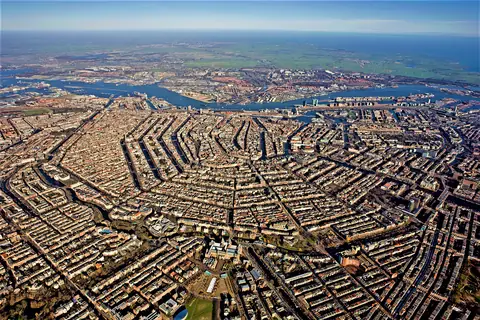
Amsterdam canal ring
Amsterdam, North Holland
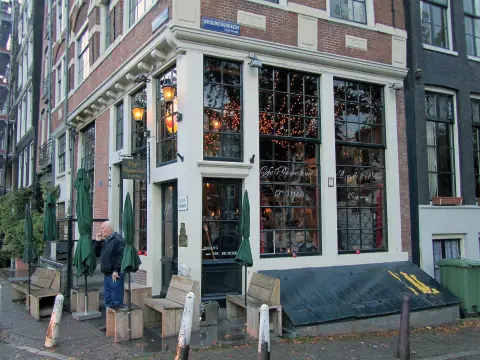
Four concentric 17th-century canals lined with gabled merchants' houses, a World Heritage site.

Tours and activities
Mudflat walking on the Wadden Sea
Groningen
The Wadden Sea, along the north coast of the Netherlands, is a UNESCO World Heritage Site of tidal mudflats.


Comments