
Safety in the Netherlands: pickpockets, fake police, canals, the sea, protests, terrorism and emergency numbers
The Netherlands is a safe country. The real risks are having something stolen, being hit by a bike, and falling into water. Most people meet none of them.
Emergency numbers
- 112: police, ambulance, fire. Free, in English.
- Police, not urgent: 0900 8844, or +31 343 578 844 from a foreign phone.
- Report a theft online or by appointment at a station: you'll need the report for insurance or a new passport.
Thieves
- Pickpockets work in central Amsterdam, at Amsterdam Centraal, on trams 1, 2, 5 and others to the museums, and in markets. They push on as you board, or ask the way while a friend takes your bag.
- On trains, above all between Schiphol and Amsterdam, and the international ones, they snatch a bag and jump off as the doors shut. Keep bags on your lap or against your leg, not on the rack behind you. Don't fall asleep.
- In cafés don't hang a bag or coat on the chair, or leave a phone on the table.
- Leave nothing in a parked car. Lock a bike twice.
Tricks
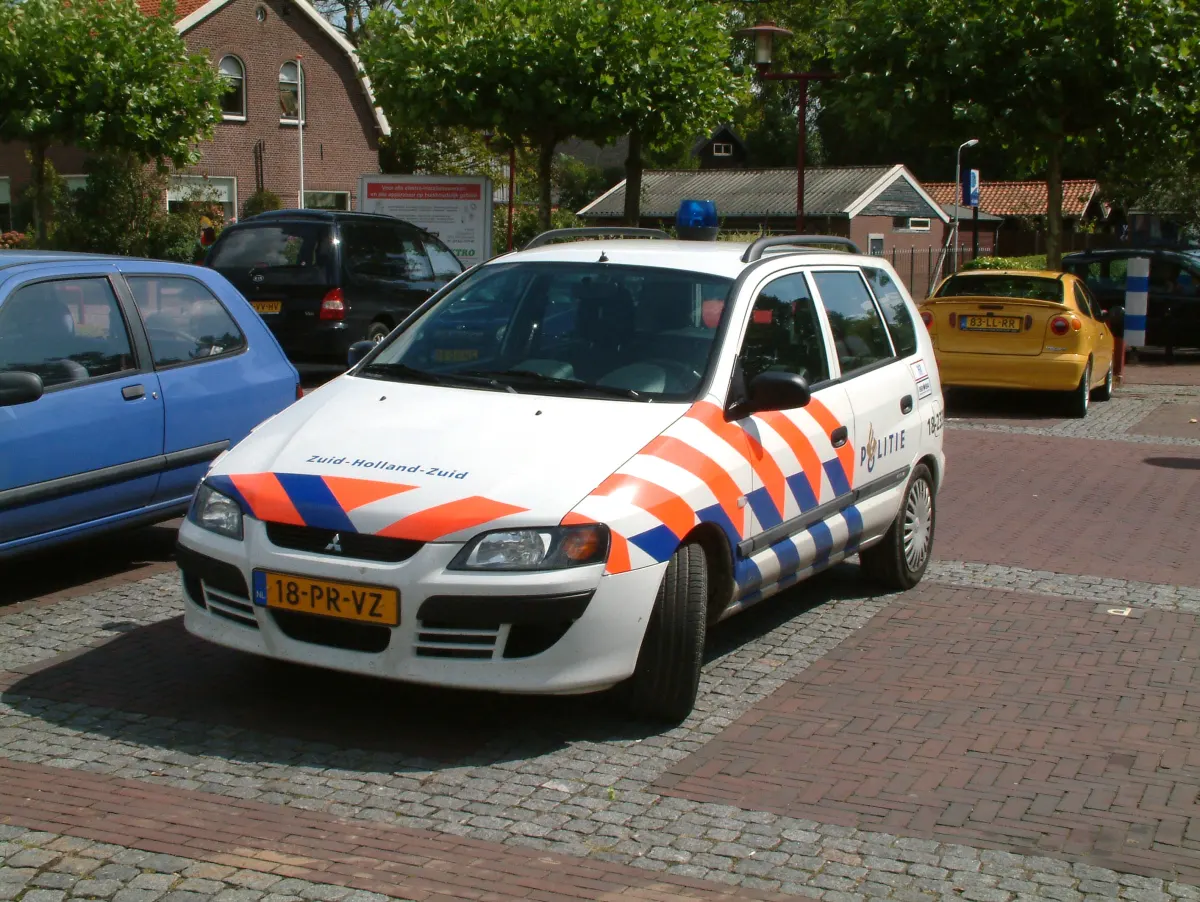
- Fake police in plain clothes ask to see your wallet or cards, to look for false notes. Real ones almost never do that, and Dutch police don't have shiny badges. Refuse, and offer to go to the station, or ring the number above.
- Bank cards: somebody looks over your shoulder at a machine, then swaps the card.
- Tickets: fake ones for the Anne Frank House and the Van Gogh Museum, and for concerts. Buy only from the museum.
- Flats that don't exist, paid for in advance. Book through a site that holds the money, and see the registration number.
- Street dealers: see Drugs.
Bikes, trams and crossings
- Look both ways at each strip you cross: bike path, road, tram line, road, bike path. Bikes and electric scooters make no noise.
- Wait for the green man. You can be fined for crossing on red.
- Cyclists don't always stop at zebra crossings. Make sure they've seen you.
Water
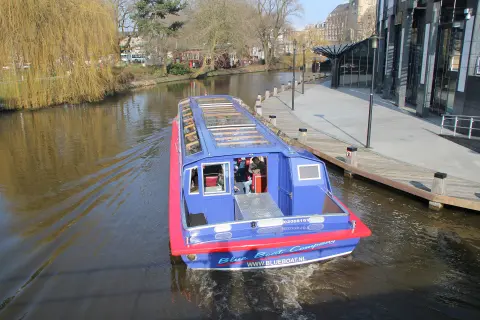
- Canals have no railings. People drown in them every year, nearly all at night and after drinking.
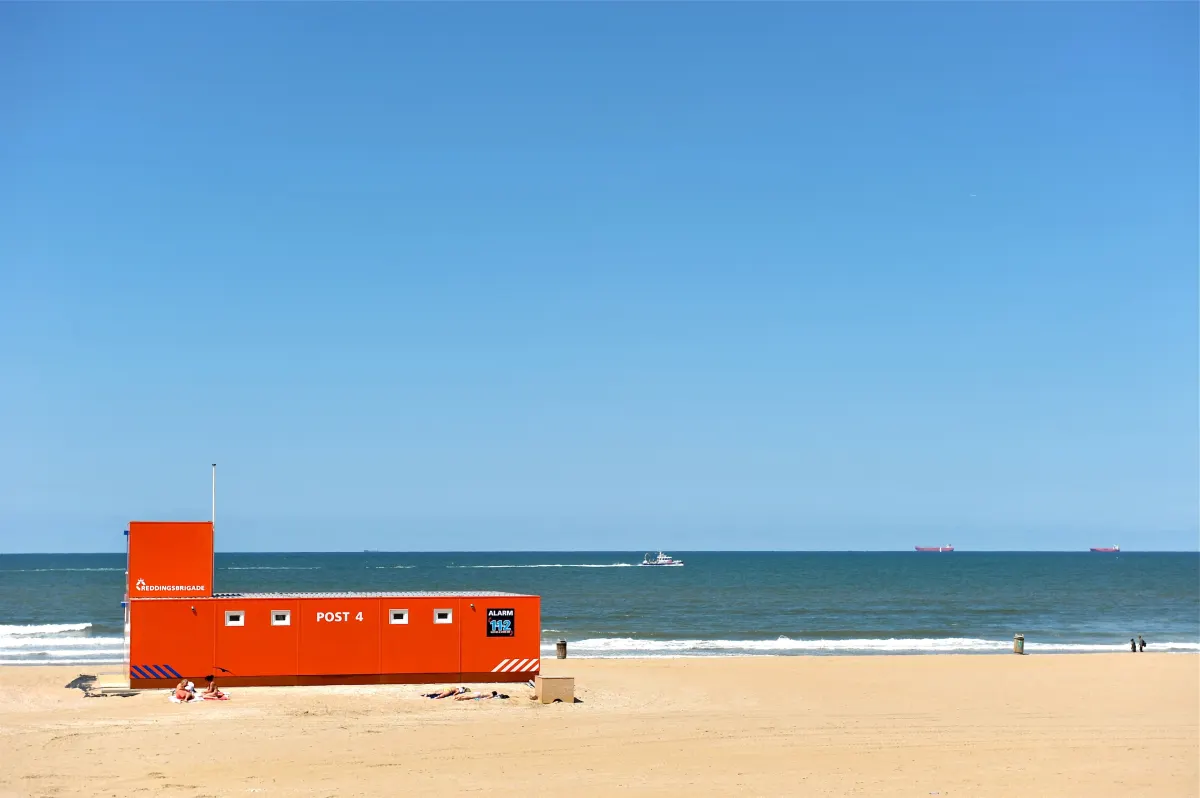
- The sea: between sandbanks, currents called mui pull swimmers out. Swim between the red-and-yellow flags. If you're caught, float, don't fight, and swim along the shore. A red flag means no swimming, and a wind sock means no inflatables.
- Rivers such as the Waal, Maas and IJssel carry big ships and strong currents: don't swim in them, however hot it is. Use official swimming lakes, and check zwemwater.nl for blue-green algae.
- On the Wadden Sea's mud go only with a guide.
At night
- City centres are lively and mostly fine. Around Amsterdam's Red Light District, Rembrandtplein and Leidseplein late on, it's drunk and dull.
- Spiked drinks happen. Watch yours, and stay together.
- For women alone it's one of the easier countries. Antisemitic and anti-gay abuse does happen in the cities: report it.
Terrorism and protests
- The national threat level is 4 of 5, "substantial", unchanged in June 2026: an attack is realistic. In March and April 2026 there were attacks on Jewish and pro-Israel places, including a synagogue in Rotterdam and a school in Amsterdam. Canada advises a high degree of caution because of terrorism, and the UK says attacks are likely. Expect armed guards at some buildings.
- Demonstrations are common in The Hague and Amsterdam, mostly peaceful. Some have turned violent. Climate protesters and farmers have blocked motorways. Go round.
- Football: fans and riot police fill the centre on some evenings.
Gangs
Drug gangs set off home-made explosives at front doors, several a night somewhere in the country, and sometimes shoot each other. It's meant for rivals. If you see a package at a door, keep away and call 112.
Weather and alarms
- The KNMI gives code yellow, orange and red. In an autumn storm (orange or red) stay out of parks: trees fall. Trains stop.
- NL-Alert on your phone, and sirens.
- From New Year 2026/27 letting off fireworks is banned for everybody, after years of injuries. Expect some to ignore it. Wear glasses, and don't pick up one that hasn't gone off.

Tours and activities
Mudflat walking on the Wadden Sea
Groningen
The Wadden Sea, along the north coast of the Netherlands, is a UNESCO World Heritage Site of tidal mudflats.
Attractions
Amsterdam canal ring
Amsterdam, North Holland
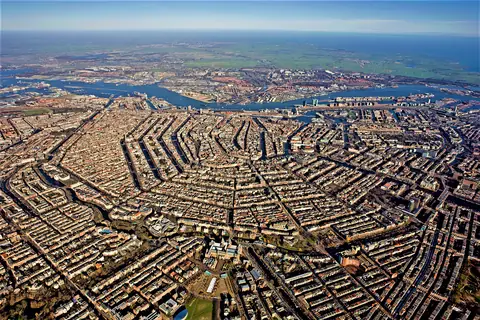
Four concentric 17th-century canals lined with gabled merchants' houses, a World Heritage site.

Comments